Aspen is a place for leaders to lift their sights above the possessions which possess them. To confront their own nature as human beings, to regain control over their own humanity by becoming more self-aware, more self-correcting, and hence more self-fulfilling.
The Energy & Environment Program addresses complex energy and environmental challenges by serving as a trusted, non-partisan platform for collaboration and dialogue. We work with people, organizations, and governments to take greater action on solving climate change.
The Energy & Environment Program advances its mission through a portfolio of programs and initiatives that address energy and environmental challenges from multiple angles. These efforts are organized under three core pillars: Market Innovation, Policy, and Public Engagement. Together, they provide a shared framework for how our work is designed, delivered, and connected across the program.
Market Innovation
We catalyze and scale the markets needed to accelerate climate solutions by convening key market players and supporting collaboration that helps ideas move toward real-world adoption.
We advance solutions through cross-sector convening that brings together policymakers, experts, and stakeholders to share ideas and actions that can inform decision-making. For fifty years, we have assembled Policy Forums and Dialogues to promote collaboration in the humanistic spirit of the Aspen Institute.
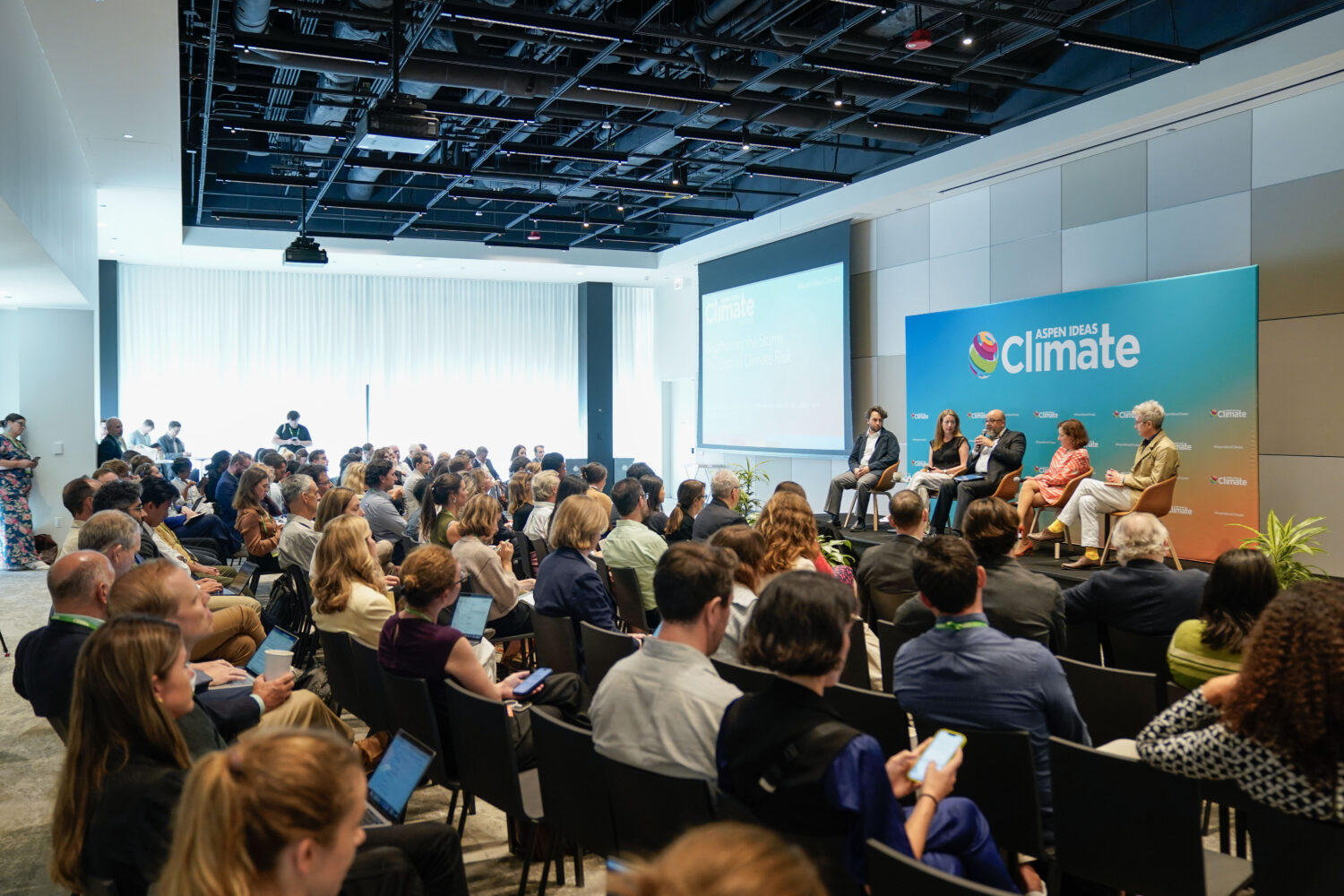
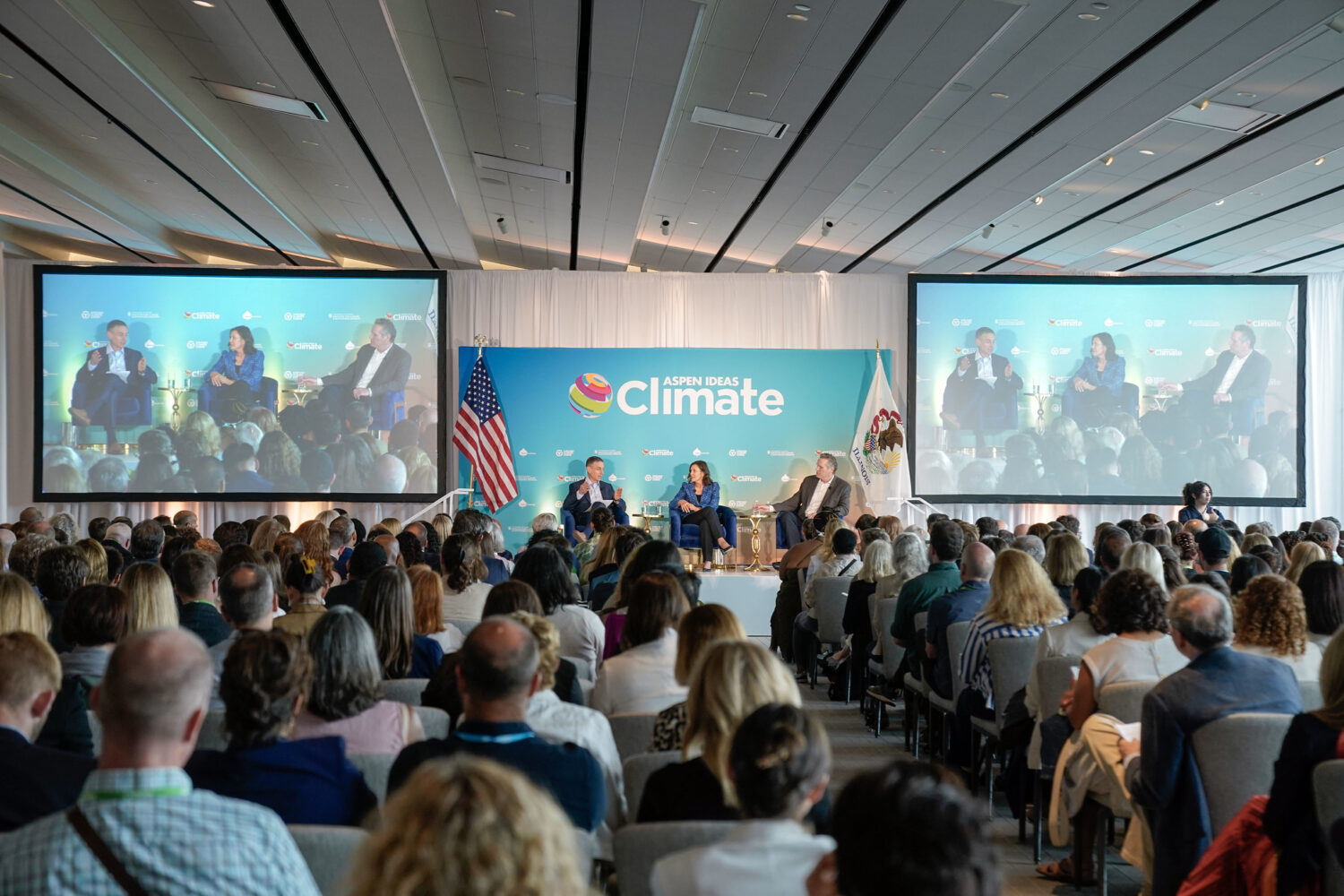
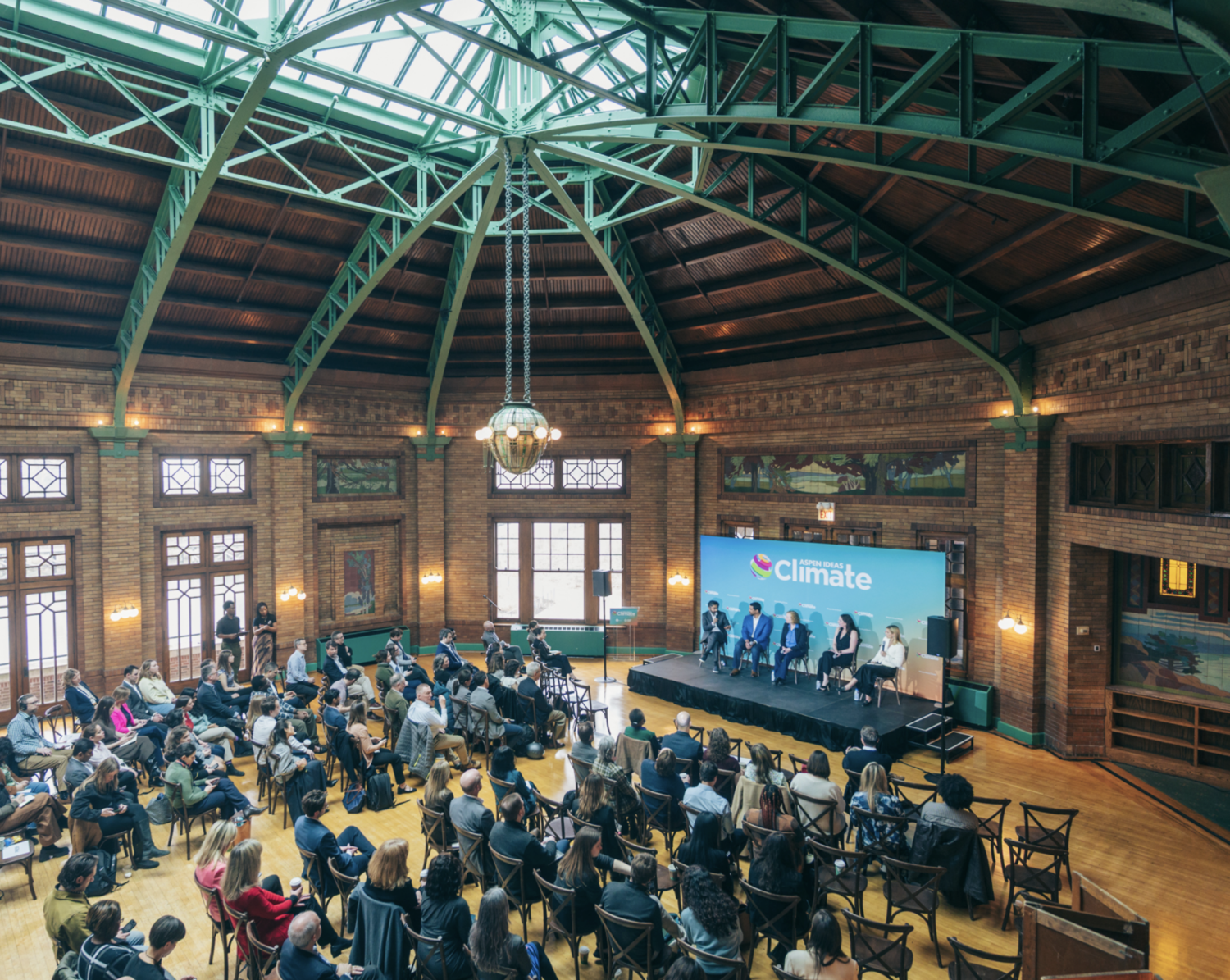
We convene and mobilize broader audiences through storytelling, experiential, and educational programming that builds understanding and momentum around energy and environmental challenges. We gather changemakers to advance bold ideas and action with Aspen Ideas: Climate, unlock the power of education with This Is Planet Ed, and inspire the climate leaders of tomorrow.
Swipe to explore featured videos and content highlighting the work and impact of the Energy & Environment Program.
AIC 2026 Launch
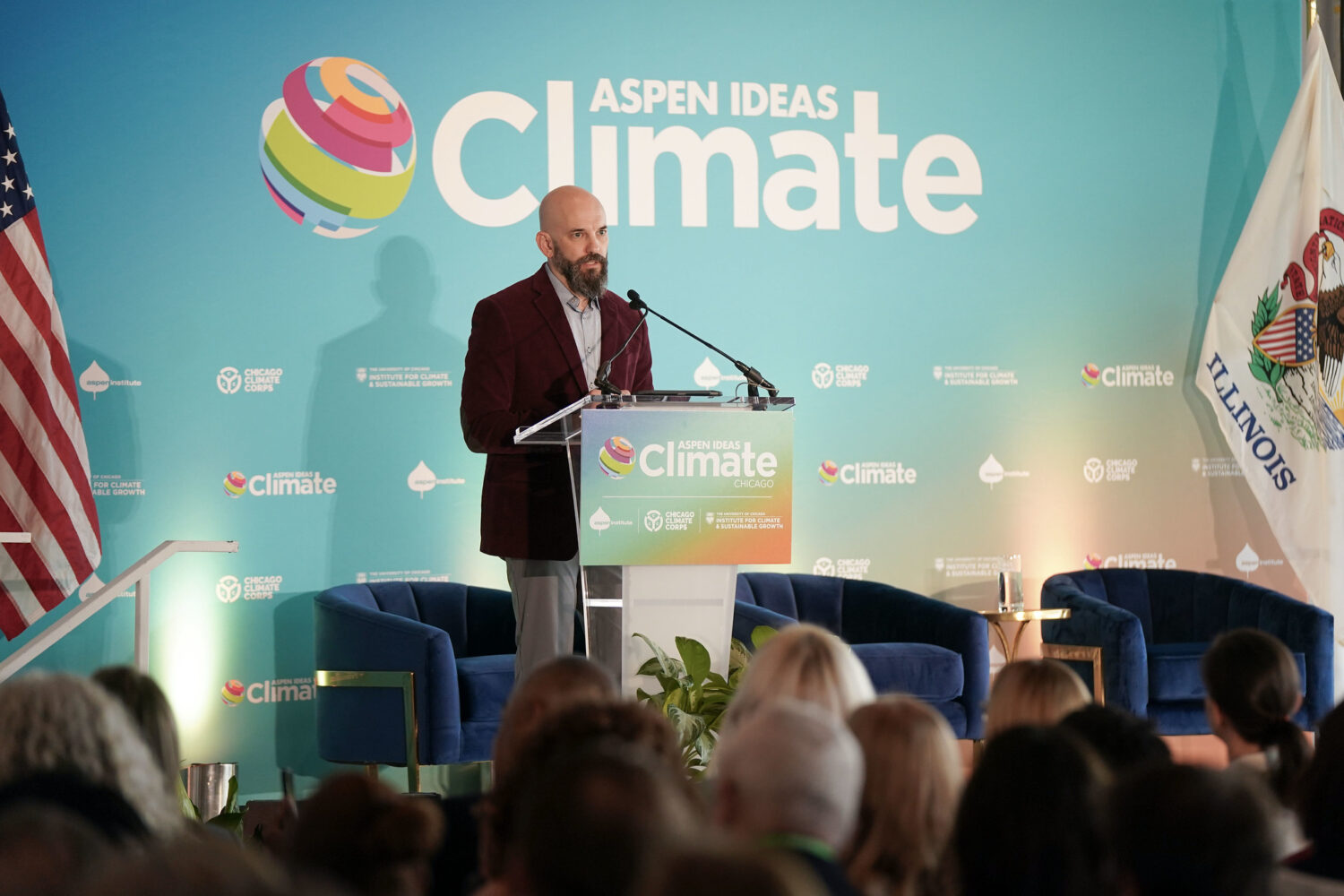
Aspen Ideas: Climate is returning to Chicago! We announced and kicked off this year’s AIC at Chicago’s Lincoln Park Zoo with a panel, The Heartland’s Power Play, to explore how the next chapter of America’s energy economy is taking root in the Midwest.
Building on the insights and relationships developed through the Aspen-Nicholas Water Forum, the Aspen National Water Strategy Initiative advances a coordinated vision for U.S. water governance.
Hapag-Lloyd and North Sea Container Line have won ZEMBA’s second tender, enabling ZEMBA’s members to abate ocean transport emissions by deploying two pioneering hydrogen-derived e-fuels.
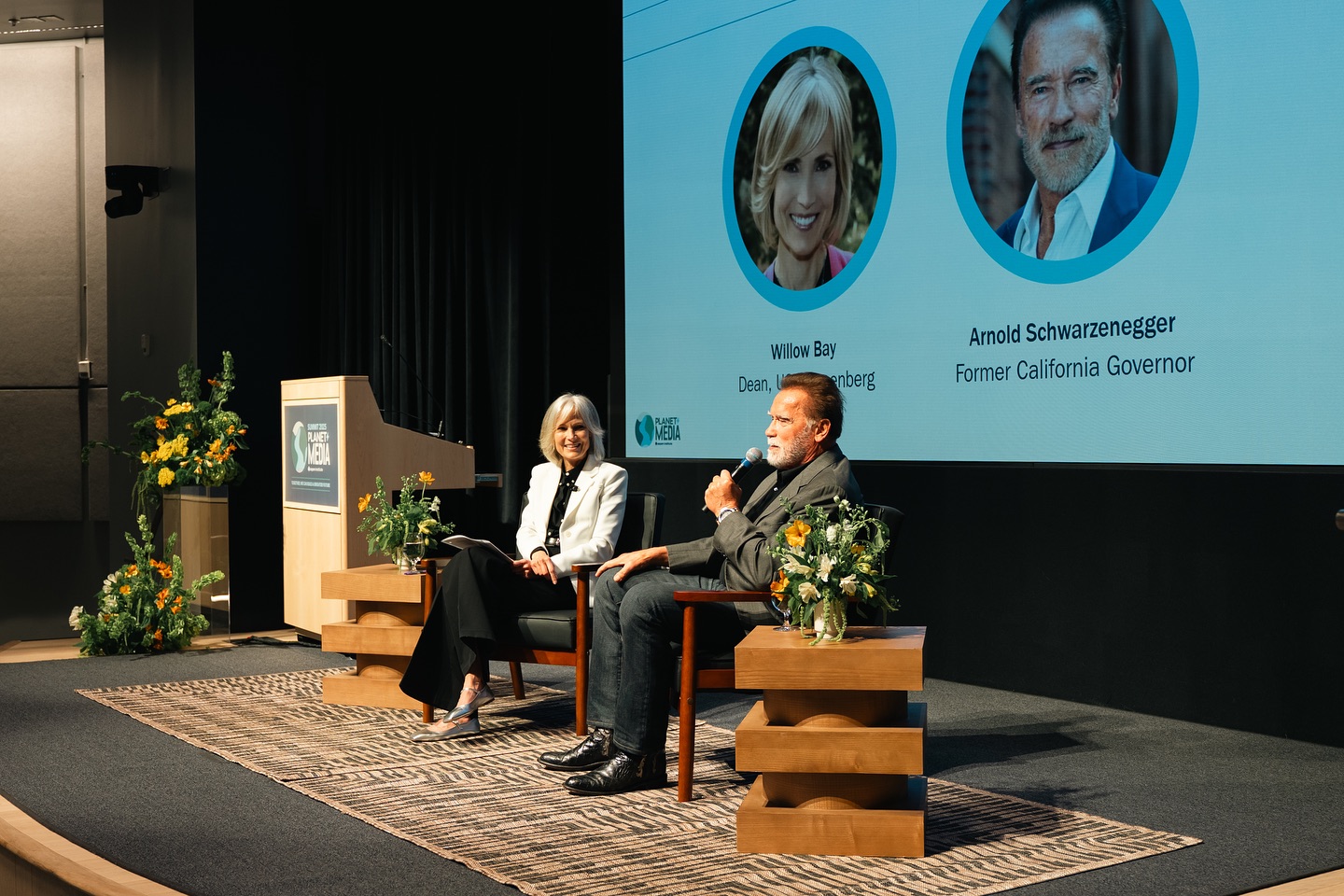
Catch up with our Planet Media Summit, convened in April 2025 in Los Angeles in partnership with the USC Annenberg School for Communication and Journalism, Los Angeles Unified School District, and the Natural History Museums of Los Angeles County. The Summit gathered leaders in media, education, climate, and more to explore how storytelling can inspire hope and action.