Education and Society Program


Renewing the Promise of Public Education
The Aspen Institute Education & Society Program is dedicated to improving public education in the United States. Our vision is that the education experience affords every student the opportunities and experiences they need to lead, contribute, and thrive in a rapidly changing world

Our mission is to improve public education outcomes by informing, influencing, inspiring and catalyzing action by education leaders and young people across policy and practice, with an emphasis on achieving excellence for all students.
Our Work
We have a robust track record of success in setting the table for system leaders, policymakers, and other education leaders to envision a better future and address the most challenging problems in education. Our program addresses these challenges through our unique ability to concurrently leverage the following:
Framer of Critical Issues
We are a vital resource for connecting vision, coherent strategy, and effective implementation. We help leaders see around the corner and determine what’s next.
Trusted Convener Across Lines of Difference
Education leaders trust us to curate the right participants with the right facilitation, generating insights that fuel visionary leadership.
Exemplary Adult Learning and Leadership Development
We create the most valuable venues in the field for authentic learning and honest dialogue, which ultimately result in changed leadership and a range of practical resources.



What We Do
Our off-the-record venues create safe spaces for candid conversations and authentic learning. These convenings lead to deep connections and actionable insights that galvanize education leaders to advance bipartisan solutions for the most pressing issues facing public education.
Practice
Social Mobility Leadership Network
The Social Mobility Leadership Network (SMLN), in partnership with College Board, is a national initiative dedicated to expanding the architecture of opportunity for one million students by 2028. The SMLN will be a national cohort of visionary district leaders strengthening access to high-quality advanced coursework (HQAC), including Advanced Placement (AP), Dual Enrollment (DE), and International Baccalaureate (IB) courses and programs, to power student success, drive social mobility, and open doors of economic opportunity, especially for those students from low- and middle-income backgrounds. Learn more here.
Professional Learning Communities
From supporting principal pipeline development in eight major districts through the Wallace Foundation’s ECPI, to partnering with Schusterman grantees on exploratory visits and shared learning, we facilitate collaborative spaces for district leaders and professional learning providers to deepen data-informed, student-centered leadership and share effective practices.
Policy
Rising Generations Strategy Group
We bring together policymakers, education leaders, business executives, philanthropists, civic leaders, and young people to shape a shared vision for the future of American education. Through cross-generational and bipartisan dialogue, the group develops innovative ideas and strategies focused on technology and AI, career-connected learning, emerging learning models, and state governance. Its goal is to build a new “North Star” for education—ensuring every young person is prepared to lead, work, and thrive in a rapidly changing world.
Learn more here.
Senior Education Congressional Staff Network
This bipartisan forum connects congressional committee staff with district and state education leaders, practitioners, and policymakers. Through seminars, virtual learning opportunities, and site visits, members build lasting relationships while developing a shared understanding of public education challenges and opportunities.
“I value Aspen’s role as the neutral partner, bringing together leaders with diverse perspectives through strategic convenings. Time and time again, the Institute fills a critical void by framing the toughest issues in a way that ensures everyone has a voice and, even better, an active role in delivering on solutions.”
Lizzette Reynolds, Tennessee Commissioner of Education
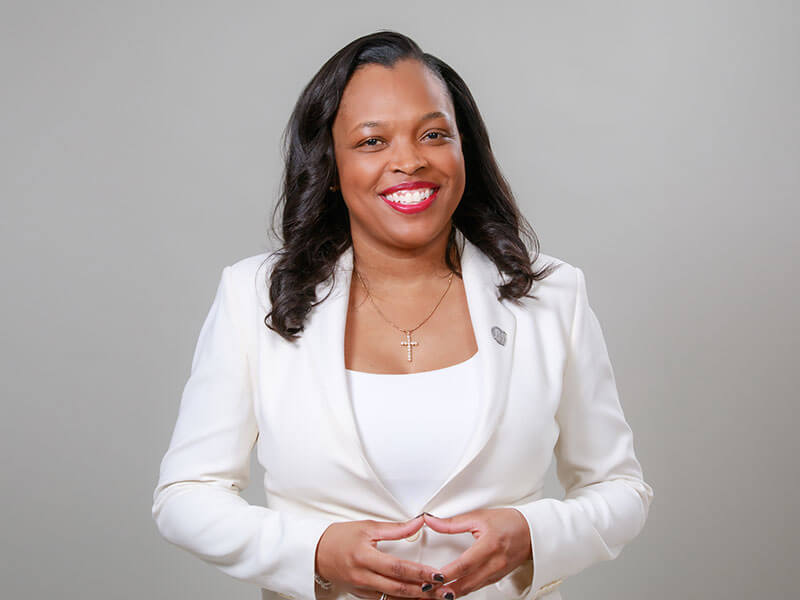
ANNOUNCING OUR NEW EXECUTIVE DIRECTOR
The Center for Rising Generations at the Aspen Institute is proud to announce that Dr. Janice K. Jackson, nationally recognized education leader and former CEO of Chicago Public Schools, has been named the new Executive Director of its Education & Society Program (ESP). In this role, Dr. Jackson will lead the Education & Society Program into a new chapter, focused on driving the national education conversation and reimagining the student experience across the country.