Reimagining Employer Engagement Toolkit
On behalf of our partners in Chicago, we’re pleased to share the new Reimagining Employer Engagement toolkit, which provides workforce professionals with information and tools to expand their work and demonstrate the value their services bring to employers.
Resources in the toolkit can help workforce service providers build their capacity to work more collaboratively with employers toward jobs that attract and retain talent, increase employee motivation and productivity, and enhance the quality of work life for frontline workers and their managers.
About the Toolkit
The Reimagining Employer Engagement toolkit is structured to mirror the progression of engagement between an employer and a workforce organization—from recruitment, to first contact, to deepening the relationship. It covers three primary areas:
- Research and planning to develop a robust network of employer contacts;
- Contacting employers and pitching your services; and
- Deepening employer relationships.
This toolkit draws on three years of partnered work in Chicago, where 12 workforce organizations have embraced a shared strategy to improve retention and advancement for workers in retail and related sectors. Reimagine Retail Chicagoland is part of the Economic Opportunities Program’s national Reimagine Retail initiative, supported by the Walmart Foundation. We’ve worked closely with our Chicago partners as they’ve deepened employer relationships and built a practice of coaching businesses on strategies to improve worker stability and mobility. This toolkit documents their learning through practical guidance that workforce professionals in Chicago and across the country can apply in their work.
Launching the Toolkit
In late July, the Economic Opportunities Program joined Reimagine Retail Chicagoland, Chicago Jobs Council, and a packed room of more than 70 workforce professionals to launch Reimagining Employer Engagement: A Toolkit for Providers.
“Over the past couple of years, we realized that in order to create systemic change around job retention, we need stronger engagement between workforce development practitioners and employers,” Cyndi Solitro, Director of Reimagine Retail Chicagoland, explained at the launch event. “Conversations with employers need to go beyond the basic question of ‘How can we help you fill your jobs?’”
During the launch event, attendees shared that in today’s tight labor market they see an opportunity to “be bold and be brave” in their employer engagement. Workforce professionals talked about going beyond transactional relationships with employers to develop more reciprocal relationships that respond to the needs of business and workers.
After having the opportunity to walk through the toolkit and to apply materials in the toolkit to their own work, attendees noted a number of ways they would use this new resource. Several talked about using it for onboarding new job developers and job coaches. Others spoke about its usefulness as a reference because it contains information on topics ranging from labor market research to developing new employer contacts to messaging about and marketing program services (and more!).
We hope you will find this toolkit helpful in your work. Please reach out to us to share your experiences and feedback!
About the Economic Opportunities Program
The Aspen Institute Economic Opportunities Program advances strategies, policies, and ideas to help low- and moderate-income people thrive in a changing economy.
Join Our Mailing List
To receive occasional emails about our work — including new publications, commentary, events, fellowships, and more — join our mailing list.
Connect on Social Media
For news and updates every day, connect with us on the social media platform of your choice.

A Typology of State-Supported Work-Connected Learning Programs



Work and the Social Contract in the Age of AI: How did we get here?
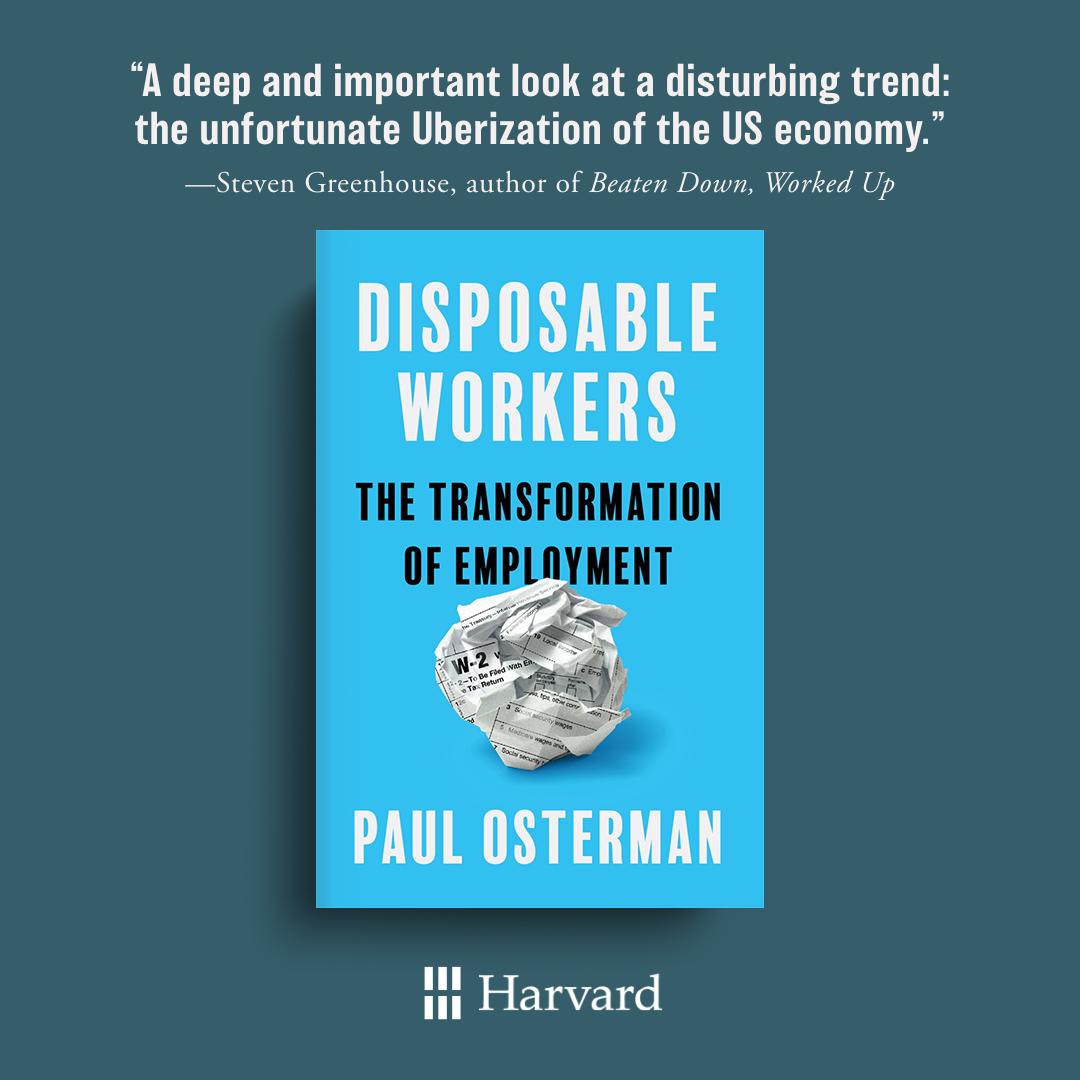
Disposable Workers: A Book Talk with MIT Sloan Professor Paul Osterman