Aspen is a place for leaders to lift their sights above the possessions which possess them. To confront their own nature as human beings, to regain control over their own humanity by becoming more self-aware, more self-correcting, and hence more self-fulfilling.
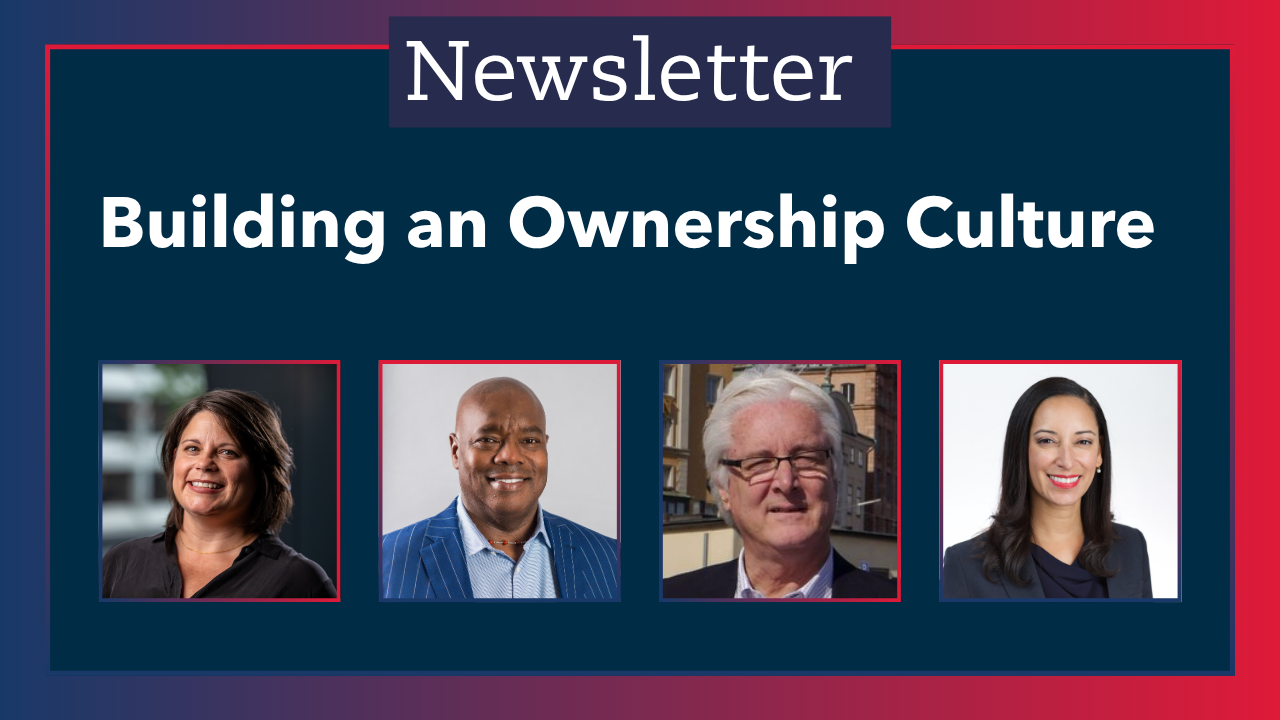
Employee ownership, such as employee stock ownership plans and worker-owned cooperatives, has emerged as a catalyst for fostering successful businesses, advancing racial and gender equity, and tackling the persistent issues of poor job quality and wealth inequity.
Employee-owned firms often create a host of benefits compared to similar, non-employee-owned companies, including improved compensation, enhanced working conditions, reduced turnover, and greater resilience during challenging economic times. However, despite its potential, employee ownership remains a relatively small component of the US economy, and awareness about employee ownership is relatively low. A unique opportunity for expansion is at hand, as six out of 10 business owners across the US intend to sell their business in the next decade as they prepare for retirement.
State centers of employee ownership are emerging to help address these challenges and capitalize on this opportunity for expansion. These centers work to promote employee ownership and educate business owners and workers about the different options available. In this brief, we discuss the strategies and practices implemented by Colorado’s Employee Ownership Office to better understand how employee ownership can be supported and grown. We hope this profile will help inform other state centers’ practices and the government’s role in supporting state centers, particularly as more centers emerge through funding provided by the recently passed Worker Ownership, Readiness, and Knowledge (WORK) Act.
The Aspen Institute Economic Opportunities Program advances strategies, policies, and ideas to help low- and moderate-income people thrive in a changing economy.
Join Our Mailing List
To receive occasional emails about our work — including new publications, commentary, events, fellowships, and more — join our mailing list.
Bridge, Propel, and Career Academy are built on a practical philosophy: that MillerKnoll has great talent already inside the organization. Finding that talent, developing it, and aligning it to the right opportunities is key to its success. T
States invest in work-connected learning through dozens of distinct funding streams, grant programs, and agency initiatives, often developed independently over time by different administrations and agencies pursuing different goals.
“Social contract” has quickly become one of the most-used, least-defined phrases in the AI policy conversation. This first event in a two-part series will trace the origin and history of the American social contract, examining how work became the anchor of economic security, mobility, and civic identity in the United States.
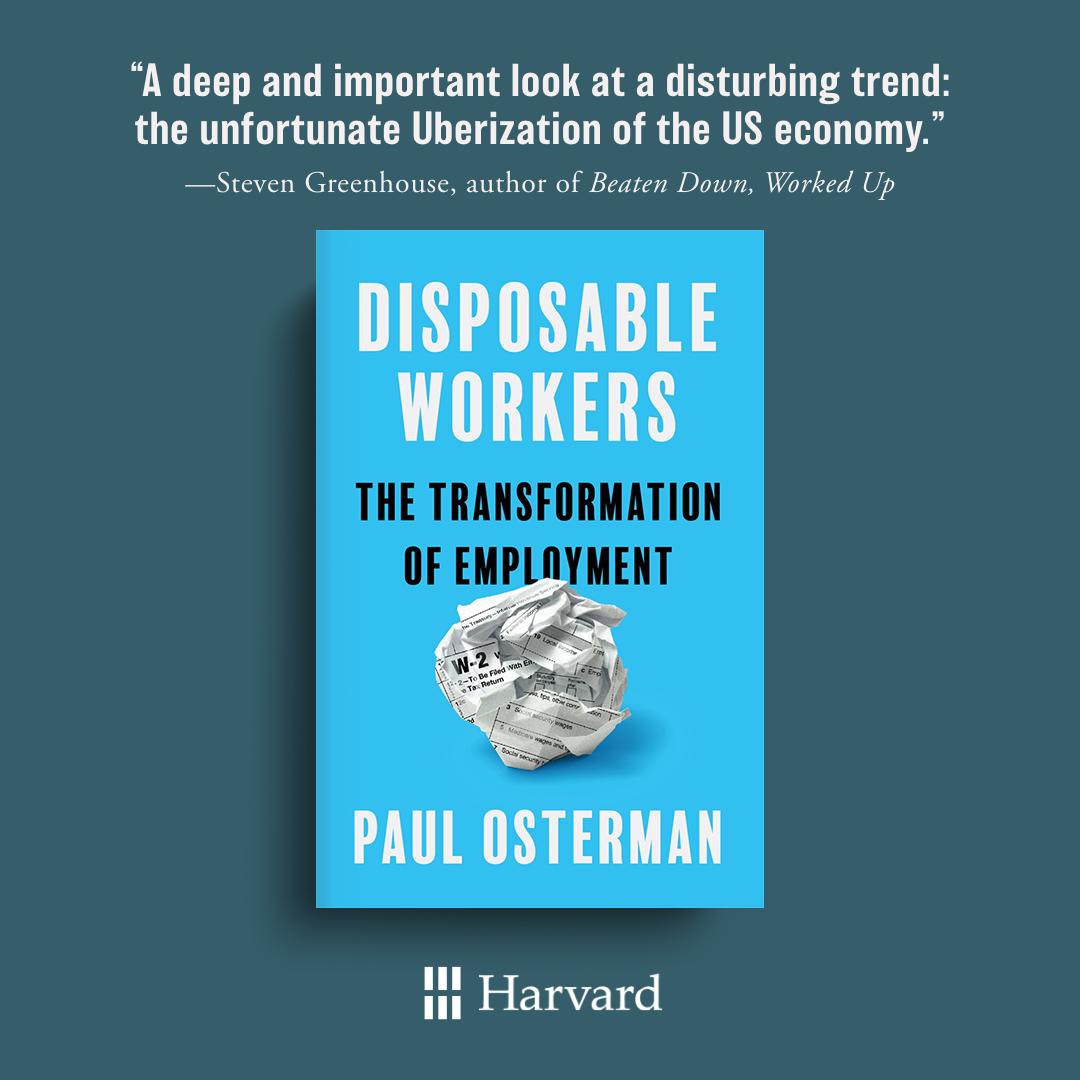
For decades, economists and policymakers have debated how to help workers get better jobs. But what if the more fundamental problem is that employers have systematically redesigned work itself to make a third of the workforce expendable? In his forthcoming book, “Disposable Workers: The Transformation of Employment,” MIT Sloan Professor Emeritus Paul Osterman examines this idea and what it would take to reverse it.