Aspen is a place for leaders to lift their sights above the possessions which possess them. To confront their own nature as human beings, to regain control over their own humanity by becoming more self-aware, more self-correcting, and hence more self-fulfilling.
A Retailer Bets on Learning and Development: Goodwill Industries® of San Diego County
February 4, 2019
Economic Opportunities Program, and Workforce Strategies Initiative
Across the United States, a growing number of states and municipalities have passed legislation to raise their minimum wages. This wave of policy changes raises questions about how low-margin industries, including retail, can remain competitive despite increased labor costs.
Much can be learned from Goodwill Industries of San Diego County, a nonprofit organization that generates 96 percent of revenue from its retail operations. Rather than cutting staff in response to San Diego’s minimum wage increase, GISD chose to increase investments in its workforce, including addressing wage compression and strengthening training and development to improve workforce productivity.
This new report highlights how GISD adapted its culture and operations to enhance job quality and business performance in response to minimum wage increases. The authors share four key practices that offer lessons for retailers facing minimum wage increases, seeking to get ahead of minimum wage legislation, or taking steps to improve job quality for their workers. Service providers who work with these businesses can also learn from the strategies outlined in this profile.
Reimagine Retail, an initiative of the Aspen Institute Economic Opportunities Program funded by the Walmart Foundation, explores ways to enhance job quality and improve mobility for the retail workforce. In San Diego, we partner with the San Diego Workforce Partnership, an innovative workforce development board. The Workforce Partnership supports GISD and other employers, providing resources to promote development and advancement opportunities for retail workers.
This new report is the second in a series on promising workforce strategies from across the Reimagine Retail network. We’re excited to share valuable lessons from work on the ground by local Reimagine Retail partners across the country.
The Aspen Institute Economic Opportunities Program advances strategies, policies, and ideas to help low- and moderate-income people thrive in a changing economy.
Join Our Mailing List
To receive occasional emails about our work — including new publications, commentary, events, fellowships, and more — join our mailing list.
Firms differ in how equity or profit is allocated, how long the ownership structure is intended to last, and how workers participate in governance and the workplace, all of which affect how workers experience ownership.
This resource is designed to help colleges and universities become more employer-friendly and build the kind of institutional capacity that sustains and grows partnerships while simultaneously better serving working learners. It offers role-specific guidance for leaders across the institution, a self-assessment spanning five domains of practice, and a process for turning results into action, grounded in the conviction that institution/employer partnerships can become easier without compromising academic missions.
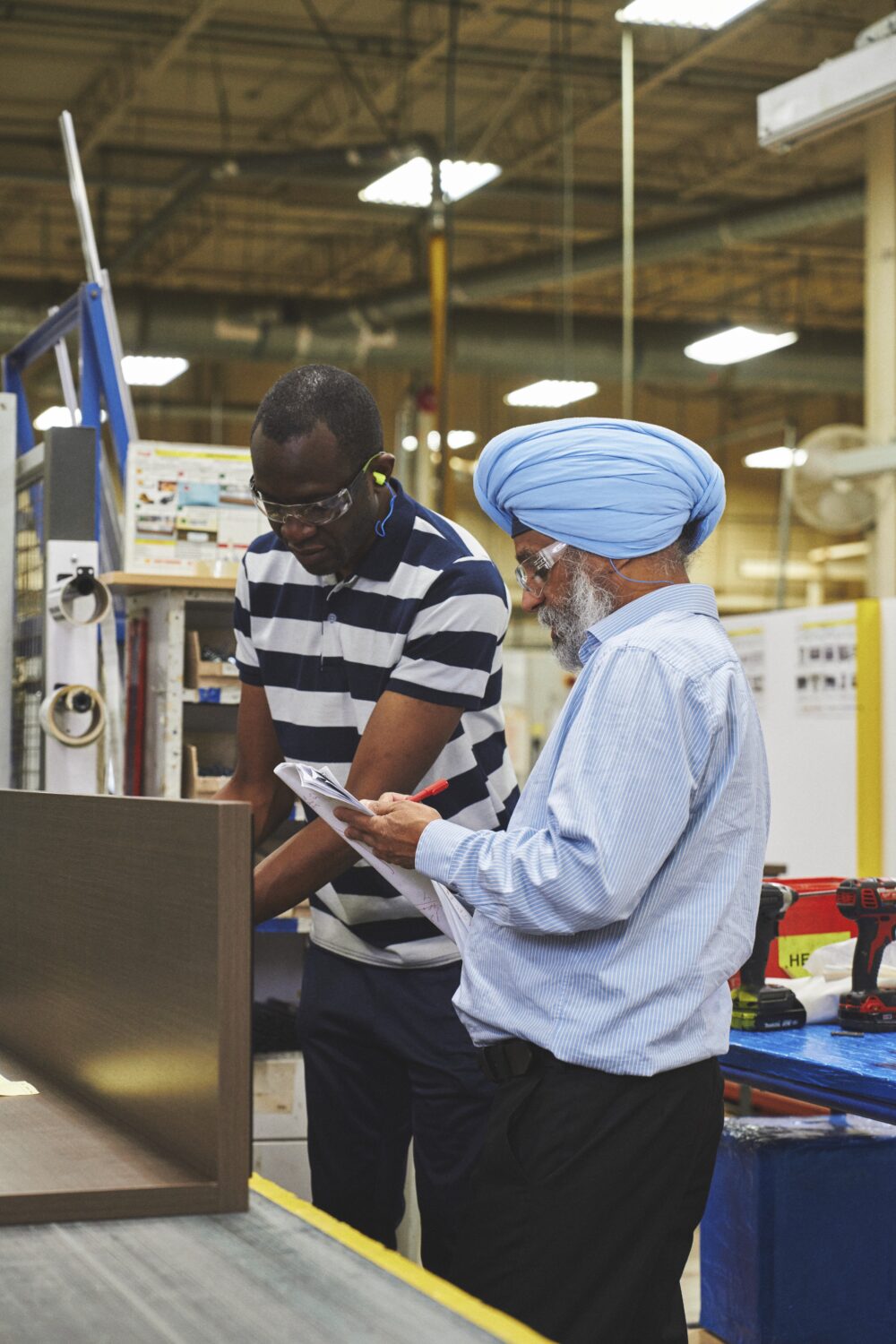
Bridge, Propel, and Career Academy are built on a practical philosophy: that MillerKnoll has great talent already inside the organization. Finding that talent, developing it, and aligning it to the right opportunities is key to its success. T
States invest in work-connected learning through dozens of distinct funding streams, grant programs, and agency initiatives, often developed independently over time by different administrations and agencies pursuing different goals.
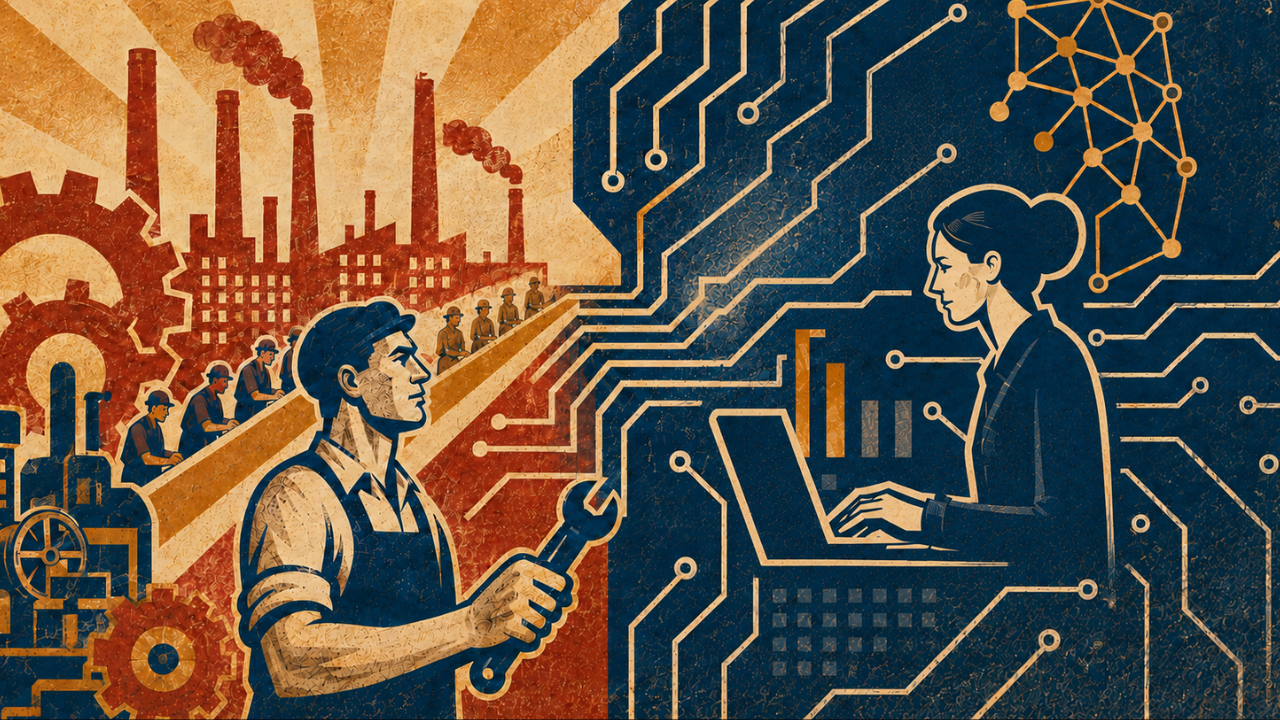
“Social contract” has quickly become one of the most-used, least-defined phrases in the AI policy conversation. This first event in a two-part series will trace the origin and history of the American social contract, examining how work became the anchor of economic security, mobility, and civic identity in the United States.