Aspen is a place for leaders to lift their sights above the possessions which possess them. To confront their own nature as human beings, to regain control over their own humanity by becoming more self-aware, more self-correcting, and hence more self-fulfilling.
Retooling for Employee Ownership: A Profile of A Few Cool Hardware Stores
October 17, 2022
Economic Opportunities Program
By Yoorie Change and Matt Helmer
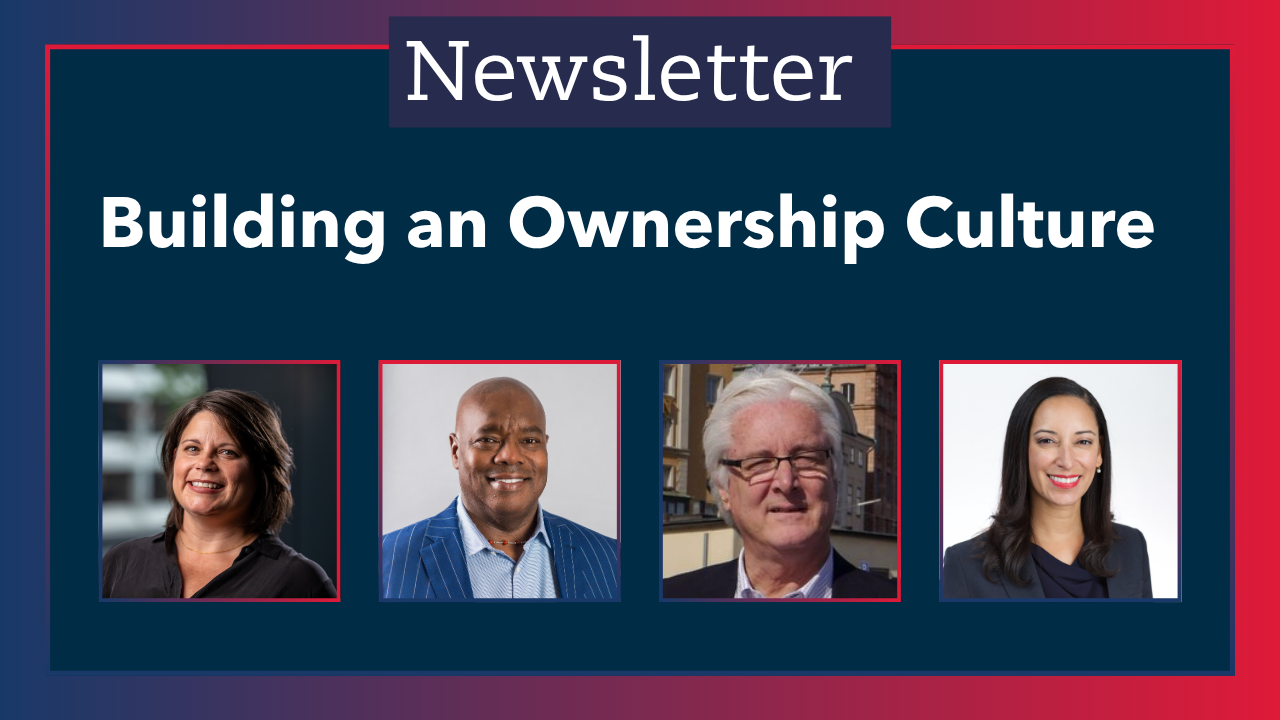
The potential of employee ownership to improve job quality, enhance business performance, and help address race and gender wealth gaps is increasingly capturing the interest of policymakers, business leaders, worker advocates, and others across the US. However, lack of familiarity and expertise about employee ownership remains a challenge. We’re pleased to share a profile of a business, A Few Cool Hardware Stores, that recently converted to an employee stock ownership plan (ESOP).
The profile features an interview with founder and CEO, Gina Schaefer, who explains her decision to convert to an ESOP, the process of transitioning to employee ownership, and the challenges and successes she and the new employee owners have encountered along the way. Gina recently published a book, Recovery Hardware, about the business’s journey in helping revitalize neighborhoods and in supporting employees to improve their lives.
Hear directly from Gina about her experience and watch “Ownership at Work: A Discussion on Designing and Growing Employee Ownership.” Gina is joined by Frank Lindsey, a store manager and new employee owner, in a moderated discussion with Alana Semuels from TIME Magazine. The event also features Senator Chris Van Hollen from Maryland and an exciting panel of experts who discuss the benefits of employee ownership, how we can design jobs and workplaces to include ownership, and strategies for supporting the success of growth of this model. Watch now.
About the Economic Opportunities Program
The Aspen Institute Economic Opportunities Program advances strategies, policies, and ideas to help low- and moderate-income people thrive in a changing economy.
Join Our Mailing List
To receive occasional emails about our work — including new publications, commentary, events, fellowships, and more — join our mailing list.
States invest in work-connected learning through dozens of distinct funding streams, grant programs, and agency initiatives, often developed independently over time by different administrations and agencies pursuing different goals.
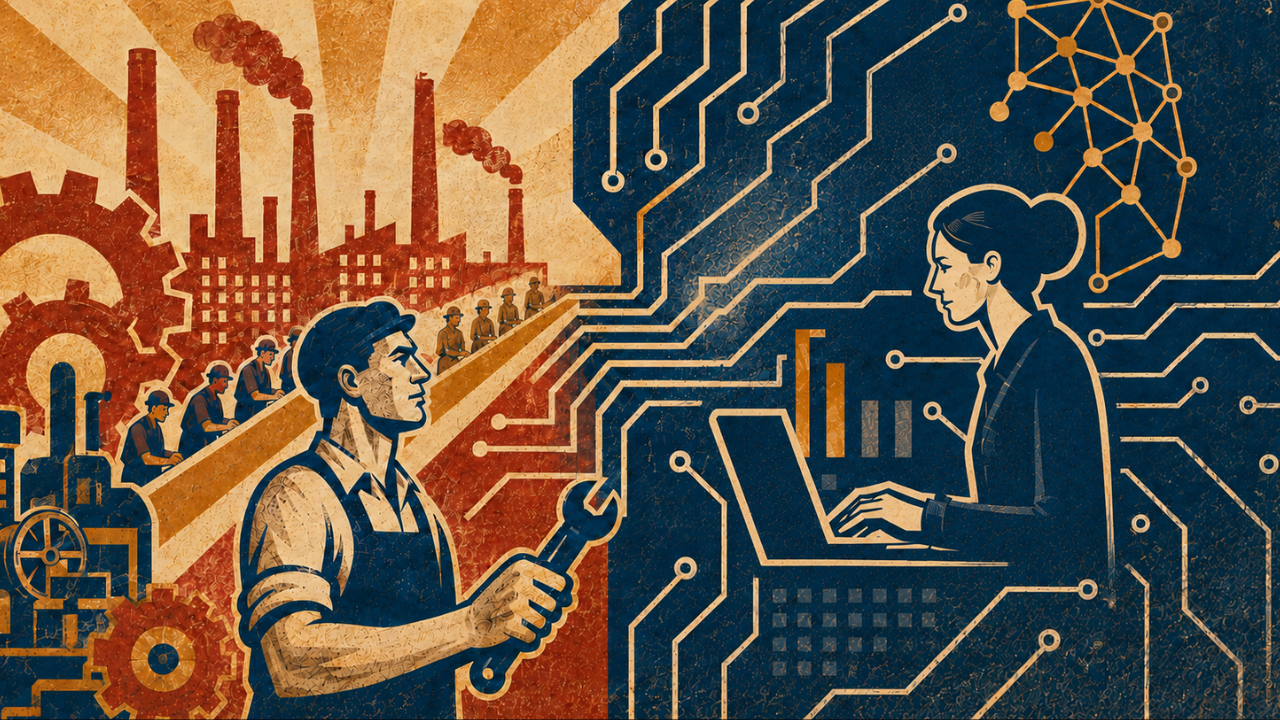
“Social contract” has quickly become one of the most-used, least-defined phrases in the AI policy conversation. This first event in a two-part series will trace the origin and history of the American social contract, examining how work became the anchor of economic security, mobility, and civic identity in the United States.
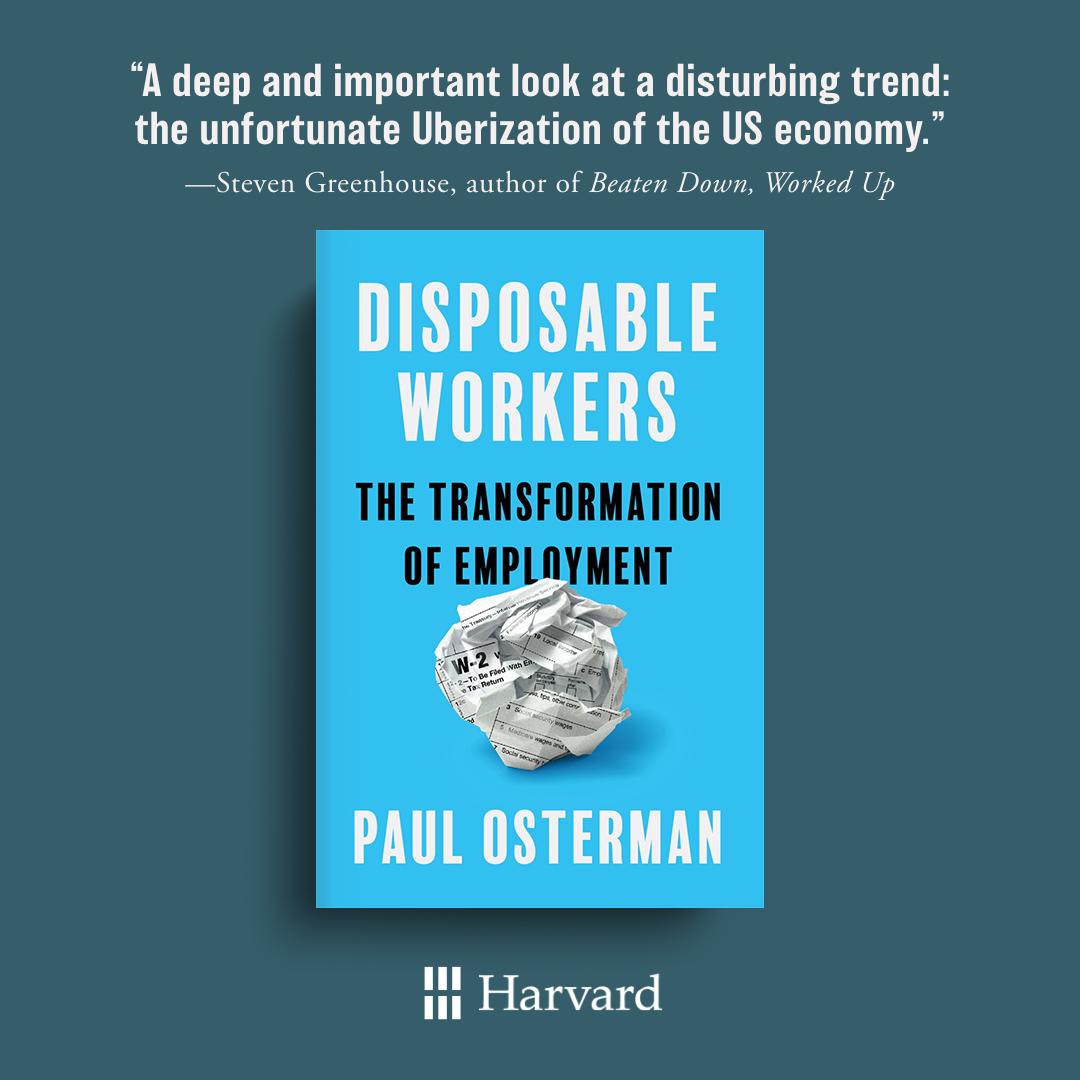
For decades, economists and policymakers have debated how to help workers get better jobs. But what if the more fundamental problem is that employers have systematically redesigned work itself to make a third of the workforce expendable? In his forthcoming book, “Disposable Workers: The Transformation of Employment,” MIT Sloan Professor Emeritus Paul Osterman examines this idea and what it would take to reverse it.
To create a future-ready workforce system, we must move beyond outdated credentials and analog processes to one that is skills-first, transparent, data-driven, and aligned with the evolving needs of workers, educators, and employers.