Developing for the Long Game
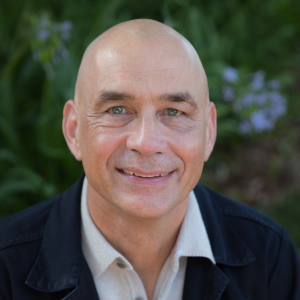
Chris Huyck Trout
Senior Advisor and Consultant
The future of American competitive success hinges on a strong, skilled workforce.
How we develop and build this workforce is a big and complex undertaking. An undertaking that requires more than just individual actions – it demands passionate and talented people working together. I was able to spend time recently with such a group – Upskill America’s Economic & Career Mobility Fellowship. This is a remarkable group dedicated to this critical task. This gathering – our second in-person meeting was a powerful reminder of the challenges, solutions, and importance of each another.
Exploring the broader landscape with experts provided important clarity on dimensions of the challenge. Manjari Raman from Harvard Business School highlighted what needs to be done is develop new muscles, new ways of thinking about the problems & questions, and to stop operating on outdated assumptions. Tony Carnevale from Georgetown University hit on the fact that we will face skills shortages for quite some time, the American workforce isn’t growing. And a large percentage of jobs in the future will require post-secondary education.
Manjari also hit on the very important message that in doing this work you need to take away things that sustain you through waves of changes and to combat the feelings of isolation. The Fellowship provided important ingredients for this sustaining:
- Support and Inspiration: Being around others who share the mission is motivating.
- Shared Knowledge: We learn listening and sharing experiences and insights.
- Confidence Boost: Knowing your voice matters makes a difference!
This group embodies the spirit of hard work, empathy, and continuous learning needed to navigate the complexity. These qualities are the foundation needed to lead in developing and driving new ways forward through:
- Generating Open Communication: Having the hard conversations about the challenges we face.
- Embracing New Approaches: Traditional models do not suffice; it’s time to move from outdated models.
- Investing in Individual Development: By empowering individuals, we strengthen businesses and communities.
In many ways the gathering was a small-scale example of what can be done for the large-scale challenge. First, building the workforce requires more than just a numbers or a skills approach – it requires great people. Secondly, developing our workforce is about connecting people together. And when we bring talented people together, each voice matters and through this, powerful things happen to ensure that America’s the workforce becomes a driving force for American competitiveness.
About UpSkill America
UpSkill America, an initiative of the Economic Opportunities Program, supports employers and workforce organizations to expand and improve high-quality educational and career advancement opportunities for America’s front-line workers.
About the Economic Opportunities Program
The Aspen Institute Economic Opportunities Program advances strategies, policies, and ideas to help low- and moderate-income people thrive in a changing economy.
Join Our Mailing List
To receive occasional emails about our work — including new publications, commentary, events, fellowships, and more — join our mailing list.
Connect on Social Media
For news and updates every day, connect with us on the social media platform of your choice.

Room for Growth: A Survey of Upskilling Approaches — 2026 Analysis

Employer-Friendly Practices: A Guide for Higher Education
MillerKnoll: Developing Operations Leaders from Within and Beyond — A Case Study in Structured Talent Development
A Typology of State-Supported Work-Connected Learning Programs

The Workforce of the Future Starts with Adult Basic Education

Foundational Skills: Early Insights from Employers and Providers
How Tax Policy Can Help Employers Expand Access to Learning