Aspen is a place for leaders to lift their sights above the possessions which possess them. To confront their own nature as human beings, to regain control over their own humanity by becoming more self-aware, more self-correcting, and hence more self-fulfilling.
The Fellowship is built to advance our shared goal of unlocking opportunity for America’s workforce.
About the Fellowship
The Education and Career Mobility Fellowship supports dedicated professionals who manage and administer talent development programs, recognizing the unique challenges and diverse backgrounds they bring.
This Fellowship — which is offered by UpSkill America in partnership with Guild — is designed for mid-career corporate education and talent professionals, offering a chance to learn, grow, and build a strong network.
Fellows will gain:
Deeper understanding of levers for career mobility and economic opportunity, education and upskilling strategies, and effective program design
Insights from national experts and direct connections with corporate learning and HR leaders, fostering best practices and exploring future career paths.
A trusted network of peers facing similar challenges, enabling faster problem-solving and shared learning.
This program empowers fellows to thrive in their career, develop leadership skills, and influence the future of education and workforce development.
For questions, please contact UpSkill America Associate Director Chelsea Miller at [email protected]

Putting people at the center of the systems we are building means accepting that career paths are rarely linear. It requires us to build infrastructure that accommodates life transitions, recognizes informal learning, and values a worker’s agency over their own data.
We’re not training Fellows to win some abstract corporate game. We’re equipping them with the tools they need to navigate complex systems skillfully and make an impact for the workforce they serve.
As this work continues to evolve, we must move beyond polite conversation and into systemic redesign. We cannot solve the problems that lie ahead using the maps of the past.
These leaders are returning to their organizations ready to ask the right questions and committed to the “weed-pulling” required to cultivate a stronger workforce.
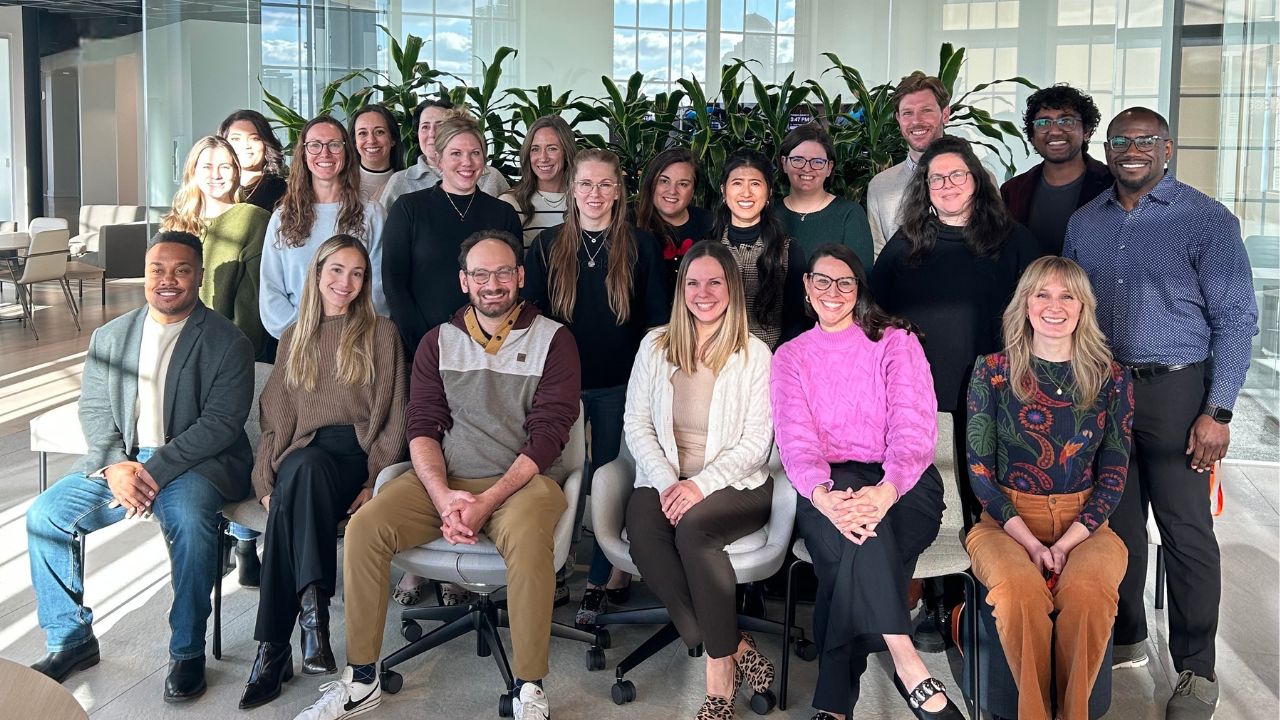
“We are delighted to welcome this new class of Fellows,” said UpSkill America Senior Director Haley Glover. “Supporting these leaders, who are joining a thriving community of alumni, to advance in their work and careers creating real value for their organizations and opportunities for their workforces is so rewarding. This is an incredibly impressive group.”
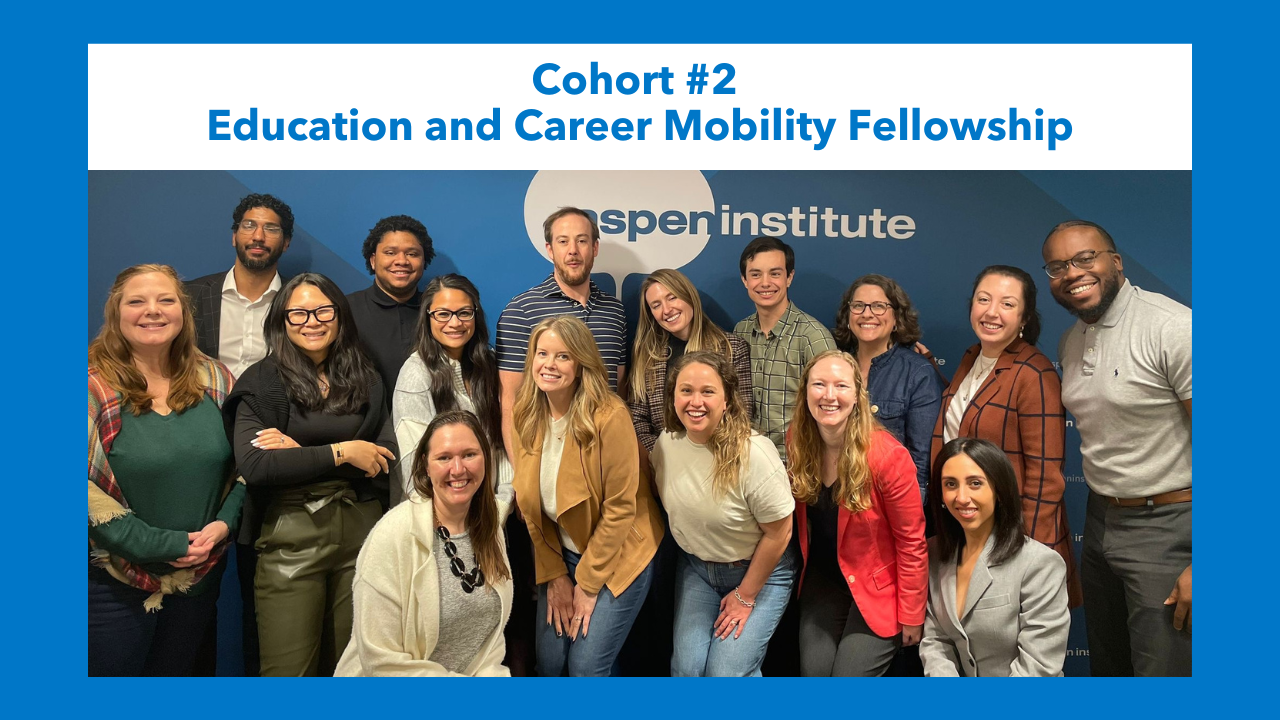
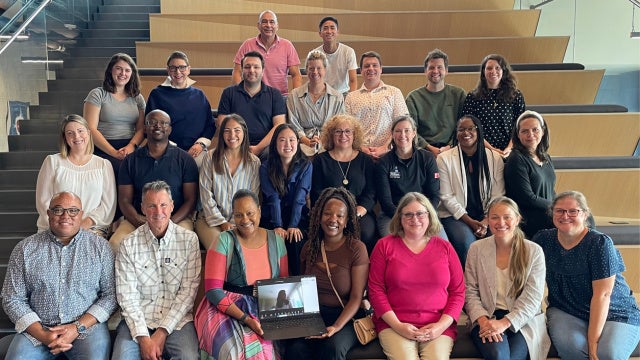
Last week, our second cohort of the Education and Career Mobility Fellowship gathered in Indianapolis for their third and final seminar. Over three days of discussion and collaboration, a clear theme emerged: the growth our fellows experienced was fueled by the power of their collective.
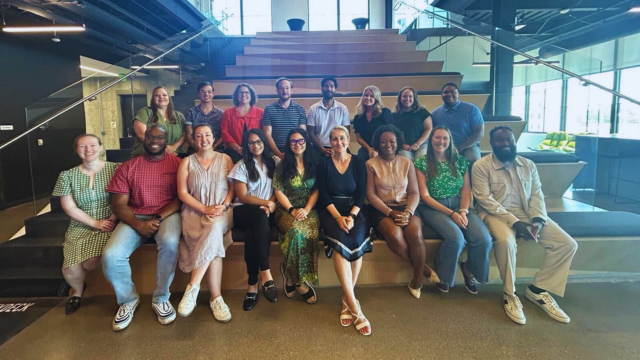
In partnership with Guild, UpSkill America is proud to support the Education and Career Mobility Fellowship. We would like to announce the 2024/25 fellows and the second cohort.
UpSkill America of the Aspen Institute, and Guild are proud to announce the second cohort of the Education and Career Mobility Fellowship, a unique development program designed to support HR professionals in their efforts to build effective programs, connect opportunities, and create positive outcomes for employees across the workforce and the businesses that employ them.
Guild is a Career Opportunity Platform that enables forward-thinking employers to invest in their employees, unlocking life-changing opportunities for personal and professional growth through learning programs, career development, and one-on-one coaching. Visit www.guild.com
About UpSkill America
UpSkill America, an initiative of the Economic Opportunities Program, supports employers and workforce organizations to expand and improve high-quality educational and career advancement opportunities for America’s front-line workers.
About the Economic Opportunities Program
The Aspen Institute Economic Opportunities Program advances strategies, policies, and ideas to help low- and moderate-income people thrive in a changing economy.
Join Our Mailing List
To receive occasional emails about our work — including new publications, commentary, events, fellowships, and more — join our mailing list.
To create a future-ready workforce system, we must move beyond outdated credentials and analog processes to one that is skills-first, transparent, data-driven, and aligned with the evolving needs of workers, educators, and employers.
This publication examines how fragmented skills, credentialing, and workforce data systems limit the potential of skills-based hiring and advancement, and outlines a shared vision for building the interoperable infrastructure needed to create a connected skills ecosystem that benefits workers, employers, educators, and governments.
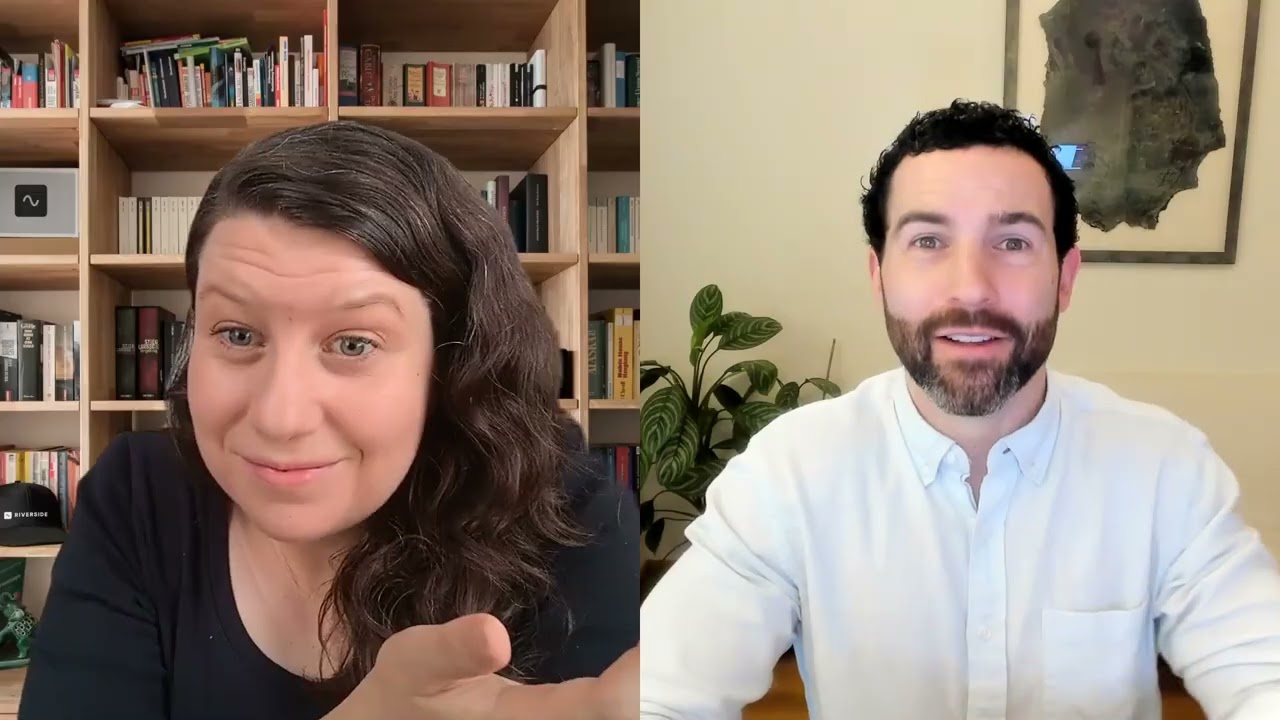
In this interview, Chelsea Miller of Upskill America speaks with Nick Greif of InStride about how employers can design education benefits that are more accessible, strategic, and aligned with workforce goals.
Putting people at the center of the systems we are building means accepting that career paths are rarely linear. It requires us to build infrastructure that accommodates life transitions, recognizes informal learning, and values a worker’s agency over their own data.
This is the final event in our Job Quality in Practice series. In this conversation, hosted by the Aspen Institute Economic Opportunities Program on May 7, 2026, we hear from the Institute’s Job Quality Fellows who are embedding job quality into their work across a range of contexts and strategies — from employee ownership models that give workers a direct financial stake in their company’s success, to apprenticeship programs that create structured pathways to higher-wage careers, to worker advisory committees that bring employee voice into business decision-making.
Putting people at the center of the systems we are building means accepting that career paths are rarely linear. It requires us to build infrastructure that accommodates life transitions, recognizes informal learning, and values a worker’s agency over their own data.
Back to where we started, AI is not creating one future. It is opening up several. Which one gets created may depend on whether the people closest to the work bring their voice, and name what no one else is naming.
Putting people at the center of the systems we are building means accepting that career paths are rarely linear. It requires us to build infrastructure that accommodates life transitions, recognizes informal learning, and values a worker’s agency over their own data.