Aspen is a place for leaders to lift their sights above the possessions which possess them. To confront their own nature as human beings, to regain control over their own humanity by becoming more self-aware, more self-correcting, and hence more self-fulfilling.
Reading, writing, English language proficiency, numeracy, and digital skills are the building blocks of everything else, from effective job performance to further learning and advancement. Skipping over or assuming these foundational skills are in place can lead to frustration for employers and employees alike.
Over the last several months, UpSkill America has interviewed more than a dozen employers from a variety of industries across the United States about how and why they invest in foundational skills development for incumbent employees and in the talent pipeline. We have also interviewed foundational education providers, including technology-based platform leaders, college partners, community-based organizations, and intermediary organizations, which employers rely on to support their training needs.
Our intent with this body of work is to shed light on employers’ perspectives on foundational skills, how skill deficiencies impact business, and especially the strategies and approaches employers leverage to help workers build their skills. This brief describes our early findings, identifying emerging themes and implications for the field. Over the next six months, we will continue to conduct interviews and release additional insights about how employers consider and prioritize foundational skills in their workforce strategies, and how education providers are responding.
UpSkill America, an initiative of the Economic Opportunities Program, supports employers and workforce organizations to expand and improve high-quality educational and career advancement opportunities for America’s front-line workers.
About the Economic Opportunities Program
The Aspen Institute Economic Opportunities Program advances strategies, policies, and ideas to help low- and moderate-income people thrive in a changing economy.
Join Our Mailing List
To receive occasional emails about our work — including new publications, commentary, events, fellowships, and more — join our mailing list.
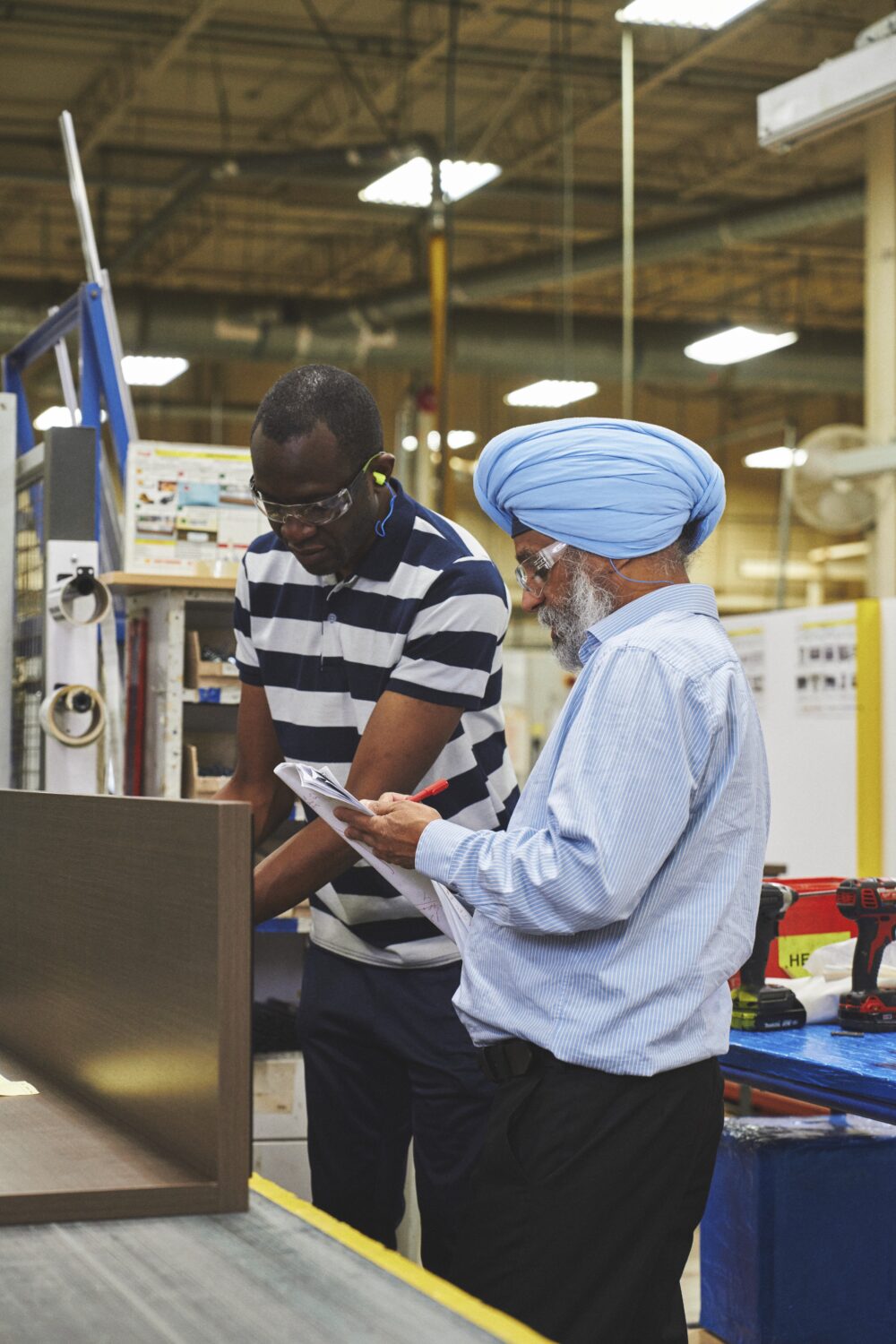
Bridge, Propel, and Career Academy are built on a practical philosophy: that MillerKnoll has great talent already inside the organization. Finding that talent, developing it, and aligning it to the right opportunities is key to its success. T
States invest in work-connected learning through dozens of distinct funding streams, grant programs, and agency initiatives, often developed independently over time by different administrations and agencies pursuing different goals.
To create a future-ready workforce system, we must move beyond outdated credentials and analog processes to one that is skills-first, transparent, data-driven, and aligned with the evolving needs of workers, educators, and employers.
This publication examines how fragmented skills, credentialing, and workforce data systems limit the potential of skills-based hiring and advancement, and outlines a shared vision for building the interoperable infrastructure needed to create a connected skills ecosystem that benefits workers, employers, educators, and governments.
In this interview, Chelsea Miller of Upskill America speaks with Nick Greif of InStride about how employers can design education benefits that are more accessible, strategic, and aligned with workforce goals.
Putting people at the center of the systems we are building means accepting that career paths are rarely linear. It requires us to build infrastructure that accommodates life transitions, recognizes informal learning, and values a worker’s agency over their own data.
This is the final event in our Job Quality in Practice series. In this conversation, hosted by the Aspen Institute Economic Opportunities Program on May 7, 2026, we hear from the Institute’s Job Quality Fellows who are embedding job quality into their work across a range of contexts and strategies — from employee ownership models that give workers a direct financial stake in their company’s success, to apprenticeship programs that create structured pathways to higher-wage careers, to worker advisory committees that bring employee voice into business decision-making.
Putting people at the center of the systems we are building means accepting that career paths are rarely linear. It requires us to build infrastructure that accommodates life transitions, recognizes informal learning, and values a worker’s agency over their own data.