Aspen is a place for leaders to lift their sights above the possessions which possess them. To confront their own nature as human beings, to regain control over their own humanity by becoming more self-aware, more self-correcting, and hence more self-fulfilling.
Room for Growth: A Survey of Upskilling Approaches — 2026 Analysis
October 22, 2026
UpSkill America, and Economic Opportunities Program
Haley Glover
Senior Director, UpSkill America
In March 2024, we released Room for Growth, a compilation of findings from our first employer survey on the upskilling approaches employers use, and how business leaders gauge their success. A lot has happened since that report was published over two years ago.
To understand where things are today, UpSkill America fielded a web-based survey from mid-May to mid-July 2026. A total of 629 people responded from 44 states (except IA, MT, ND, SD, VT, WY), and included representation from all industries, particularly education and health services, professional and business services, retail, manufacturing, finance, and hospitality. We also saw responses across a variety of roles, from CEOs to learning and development leaders to managers.
This paper shares updates and insights on what is shifting in the world of employer supported education in all its forms.
UpSkill America, an initiative of the Economic Opportunities Program, supports employers and workforce organizations to expand and improve high-quality educational and career advancement opportunities for America’s front-line workers.
About the Economic Opportunities Program
The Aspen Institute Economic Opportunities Program advances strategies, policies, and ideas to help low- and moderate-income people thrive in a changing economy.
Join Our Mailing List
To receive occasional emails about our work — including new publications, commentary, events, fellowships, and more — join our mailing list.
This publication examines how fragmented skills, credentialing, and workforce data systems limit the potential of skills-based hiring and advancement, and outlines a shared vision for building the interoperable infrastructure needed to create a connected skills ecosystem that benefits workers, employers, educators, and governments.
This resource is designed to help colleges and universities become more employer-friendly and build the kind of institutional capacity that sustains and grows partnerships while simultaneously better serving working learners. It offers role-specific guidance for leaders across the institution, a self-assessment spanning five domains of practice, and a process for turning results into action, grounded in the conviction that institution/employer partnerships can become easier without compromising academic missions.
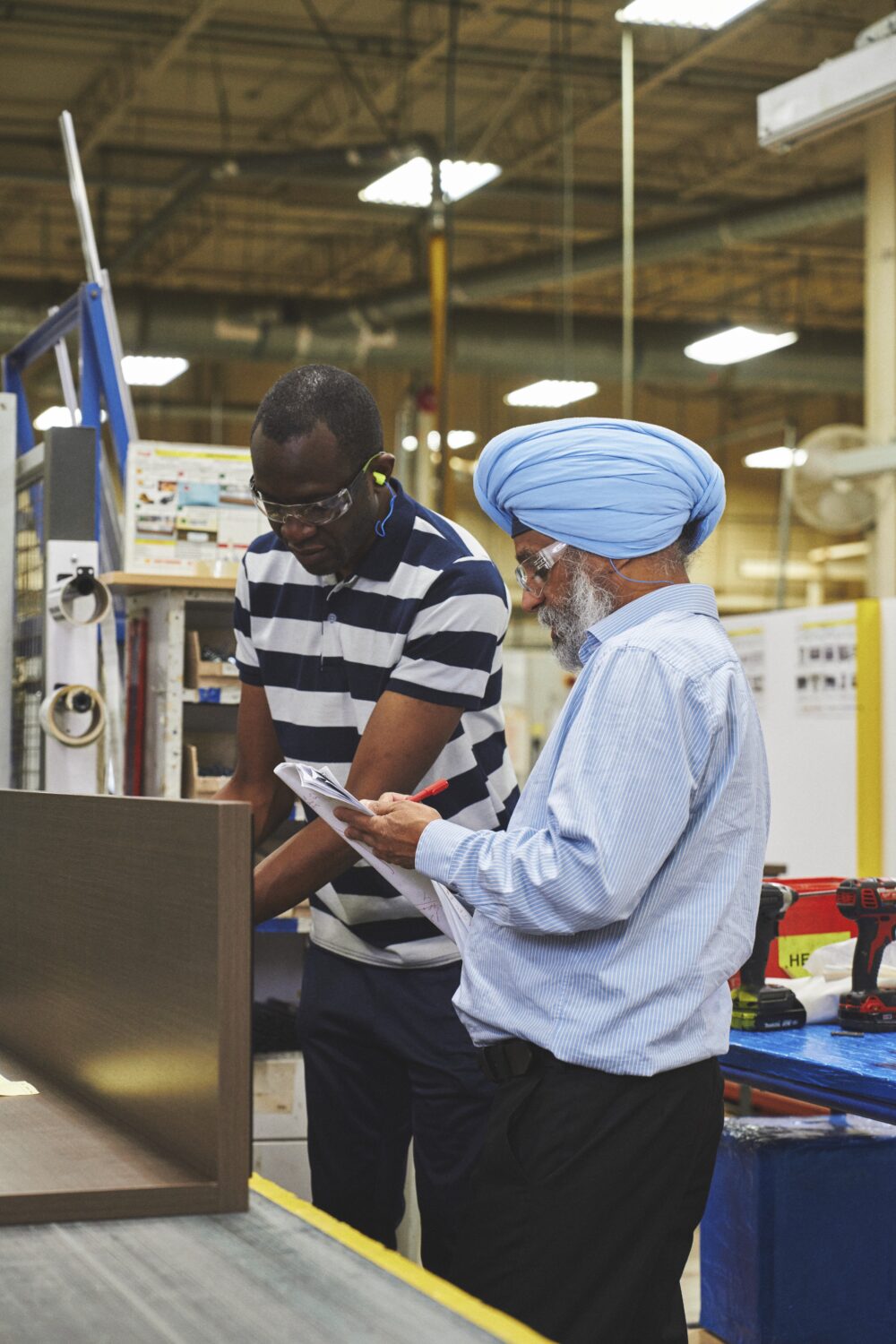
Bridge, Propel, and Career Academy are built on a practical philosophy: that MillerKnoll has great talent already inside the organization. Finding that talent, developing it, and aligning it to the right opportunities is key to its success. T
States invest in work-connected learning through dozens of distinct funding streams, grant programs, and agency initiatives, often developed independently over time by different administrations and agencies pursuing different goals.
To create a future-ready workforce system, we must move beyond outdated credentials and analog processes to one that is skills-first, transparent, data-driven, and aligned with the evolving needs of workers, educators, and employers.
This publication examines how fragmented skills, credentialing, and workforce data systems limit the potential of skills-based hiring and advancement, and outlines a shared vision for building the interoperable infrastructure needed to create a connected skills ecosystem that benefits workers, employers, educators, and governments.
In this interview, Chelsea Miller of Upskill America speaks with Nick Greif of InStride about how employers can design education benefits that are more accessible, strategic, and aligned with workforce goals.
Putting people at the center of the systems we are building means accepting that career paths are rarely linear. It requires us to build infrastructure that accommodates life transitions, recognizes informal learning, and values a worker’s agency over their own data.