Creating Space to Accelerate Solution Development

Chelsea Miller
Associate Director
The second cohort of the Education and Career Mobility Fellowship gathered for their first seminar in Nashville, Tennessee, this month. As UpSkill America’s Senior Director Haley Glover mentioned in her last blog “The Fellowship Effect,” the first cohort left her feeling like the future of education and career mobility is in great hands. Coming out of the initial gathering of our second class, it is safe to say we’ve added 21 more to the list of folks working to innovate and care for the future of work in this space.
Our time together in Nashville was full of intentional space creation, thought-provoking conversations, and planning for the future. The fellows in this cohort are trailblazers from a variety of companies who were so thoughtful and deliberate in how they wanted to use the time they had together to think about big problems.
Solving big problems isn’t just about having brilliant ideas; it’s about building trust, leveraging collective wisdom, and being open to genuine connection. Community and vulnerability are crucial to problem-solving, especially in a program where diverse minds and experiences converge. It is important that throughout the fellowship experience, the fellows work together to tackle challenges with a holistic approach that values human connection as much as technical expertise. When we build trust and rapport, we create a foundation for collaborative innovation.
As an alum of the first cohort of the Fellowship, I knew the importance of the facilitation team creating an environment where the fellows could be fully present with one another. This group took to one another so naturally, they quickly began to create that environment themselves. Through story sharing, discussing challenges, peer consultations, and even poetry reading, they all held space for each other, asked for feedback from one another, and shared valuable insights. From metrics to the philosophy of mobility, our conversations covered a wide range of meaningful topics. I know that the community created between the fellows last week will carry them through the rest of their fellowship and enable them to create solutions together that will catch on like wildfire.
About UpSkill America
UpSkill America, an initiative of the Economic Opportunities Program, supports employers and workforce organizations to expand and improve high-quality educational and career advancement opportunities for America’s front-line workers.
About the Economic Opportunities Program
The Aspen Institute Economic Opportunities Program advances strategies, policies, and ideas to help low- and moderate-income people thrive in a changing economy.
Join Our Mailing List
To receive occasional emails about our work — including new publications, commentary, events, fellowships, and more — join our mailing list.
Connect on Social Media
For news and updates every day, connect with us on the social media platform of your choice.
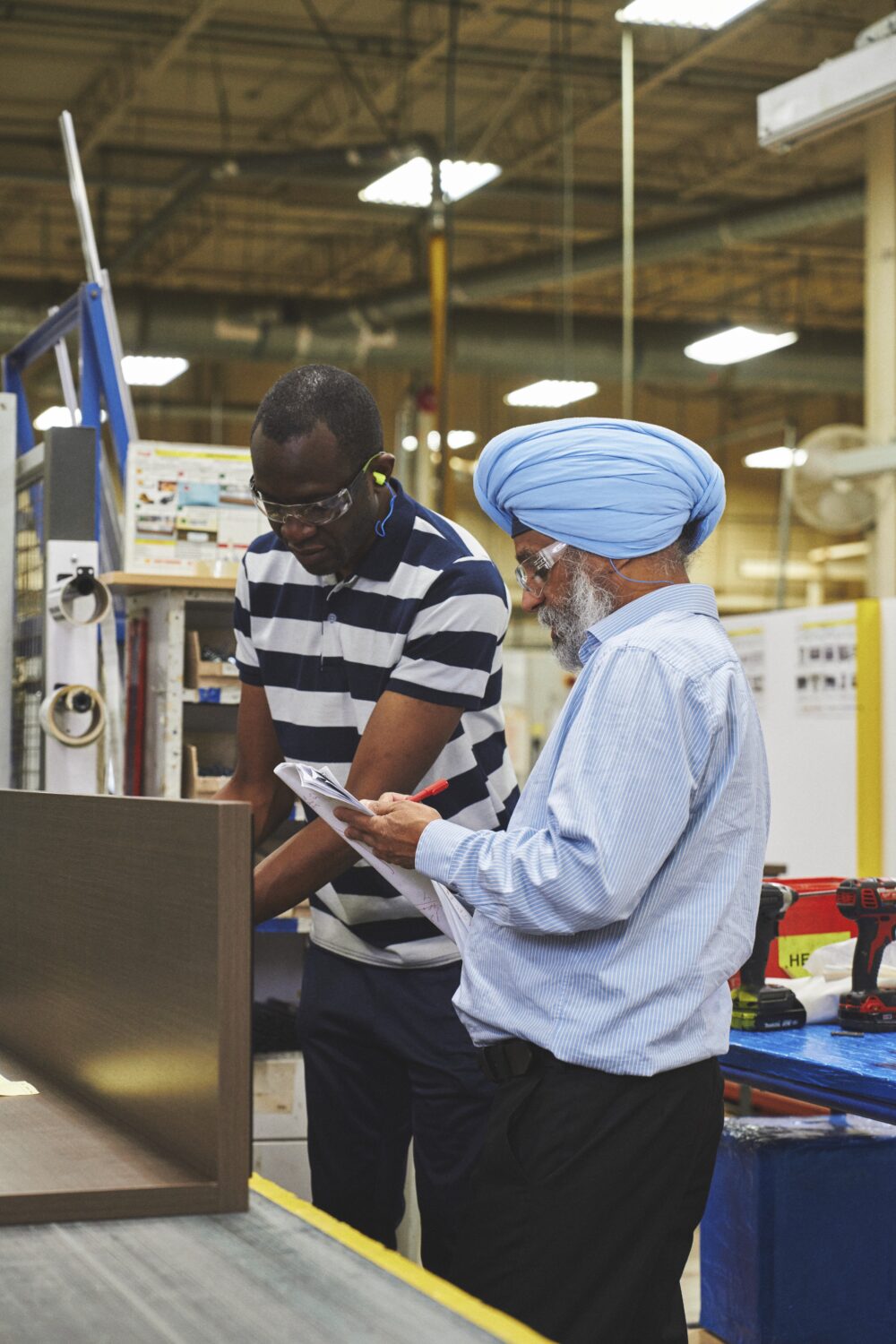
MillerKnoll: Developing Operations Leaders from Within and Beyond — A Case Study in Structured Talent Development

A Typology of State-Supported Work-Connected Learning Programs

The Workforce of the Future Starts with Adult Basic Education

Foundational Skills: Early Insights from Employers and Providers
How Tax Policy Can Help Employers Expand Access to Learning

Adult Working Learners Vote With Their Feet: What Employers Are Learning About Foundational Skills

The Impact of Foundational Skills on Workforce Success