
How to Navigate Systems to Create Impact

Chelsea Miller
Associate Director
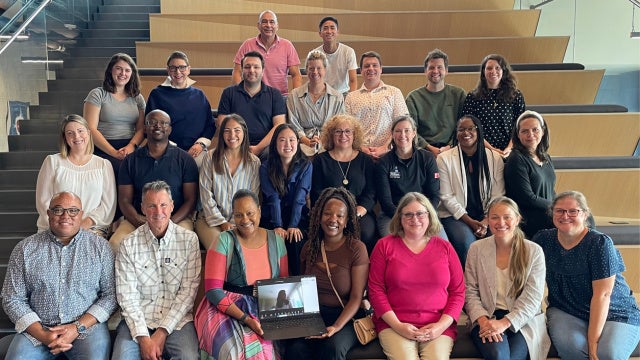
Corporate advice often borrows from sports: “Play the game to be taken seriously,” “Be a team player and you’ll go far.” Earlier this month in Chicago, during the second seminar of our third cohort of the Education and Career Mobility Fellowship, one Fellow offered a different lens, and it stopped me in my tracks: “I don’t play the game to win. I play to not lose.”
It’s a subtle distinction, but an important one for anyone trying to create change inside a large organization. Playing not to lose means understanding the rules well enough to avoid the missteps that take you out of the game entirely: a political misread, an overcommitted teammate, or an initiative launched without the right buy-in. It isn’t gamesmanship for its own sake. It’s about staying in a position where you can still do the work that matters.
This frame and mentality permeated our time together. The idea of “playing by the rules” and “what does winning look like?” came up time and again during the seminar. It colored all the conversations we had with subject matter experts, Fellowship alumni, and among Fellows.
We opened the seminar with one-on-one career conversations with leading experts in talent and workforce strategy, giving Fellows space to hear how leaders from a variety of companies have navigated their environments to make a real difference. They shared examples and resources that helped Fellows clarify what matters and how to navigate a rapidly changing world.
From there, Fellows from our third cohort sat down with alumni from Cohorts 1 and 2 for a candid conversation about staying anchored to purpose at work, even when, especially when, the system around you is asking you to compromise it. Hearing from people a year or two further down the same road, who had faced similar trade-offs and come out still committed to the work, was its own kind of winning the game: proof that you can navigate the system without losing yourself in it.
Fellows left with concrete action steps for how to show up differently at work, not just to avoid losing, but to use their position inside the system to drive change. This looked different for each Fellow, but some were as simple as scheduling a meeting on Monday to learn more about how a different part of their broader team was approaching a problem. That’s the heart of the Fellowship. We’re not training Fellows to win some abstract corporate game. We’re equipping them with the tools they need to navigate complex systems skillfully and make an impact for the workforce they serve.
One of the ways we’re continuing to equip our Fellows with ways to facilitate change in their organization is by partnering with the Human Potential Network to curate conversations on topics that matter to employers. We will gather in October 2026 for the Human Potential Summit to continue these impactful conversations in person. If you’re interested in joining the Summit or the Network, check out the links above.

People at the Center – How We Think About Designing Systems Change for Impact

How to Navigate Systems to Create Impact

Rethinking Learning and Opportunity: Insights from the Century Summit VI
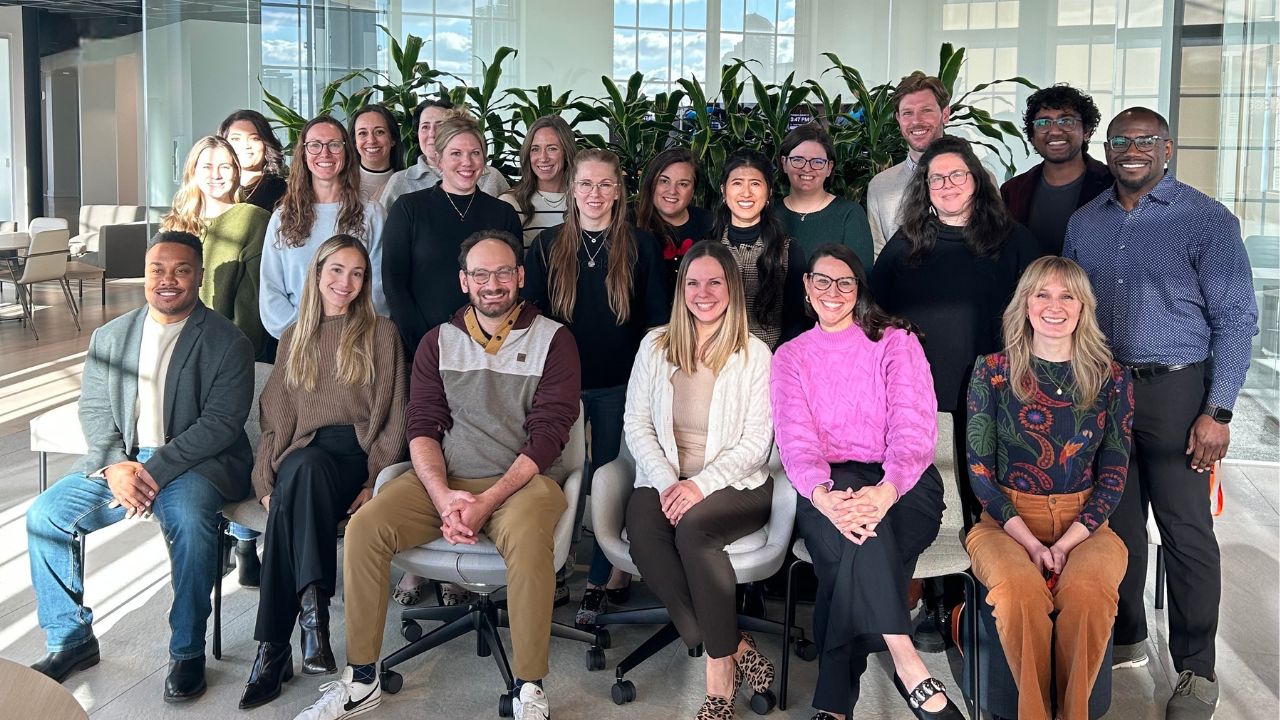
Seeing the Grass, Solving for the Weeds

UpSkill America & Guild Announce Third Cohort of Education and Career Mobility Fellowship
Moving Beyond a “Marriage” to Education
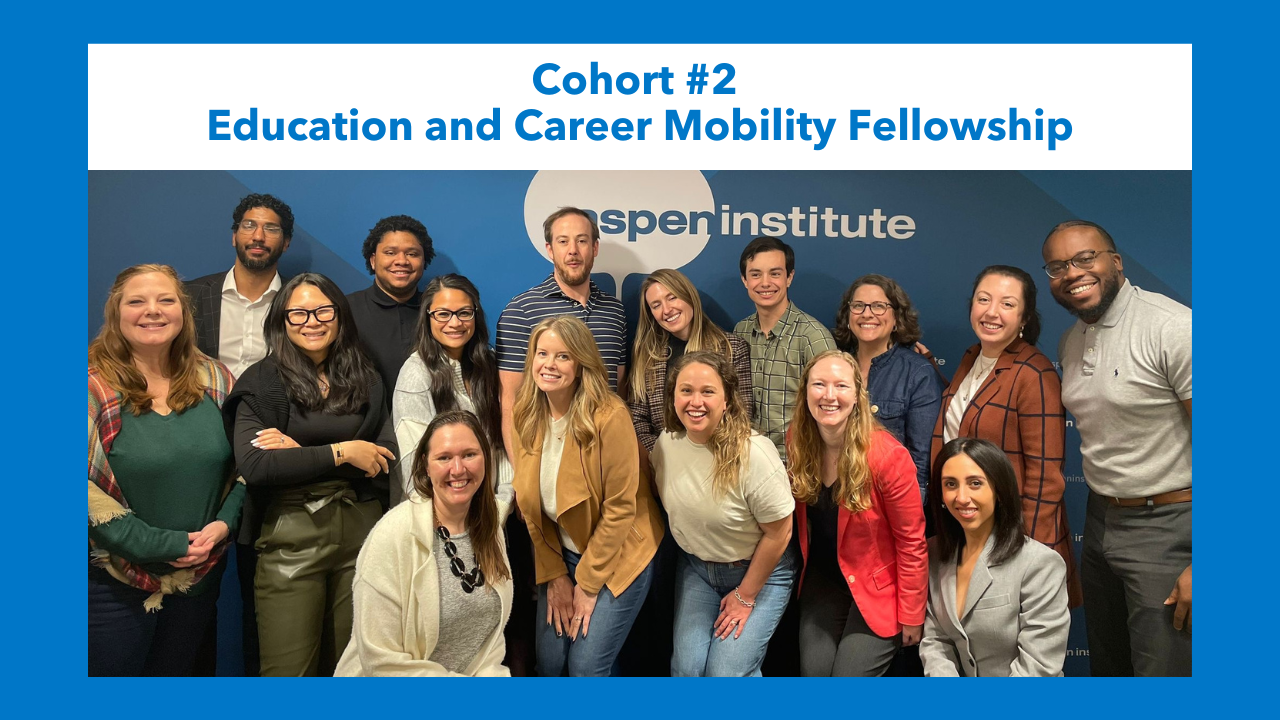


Announcing the 2024 Class of Education and Career Mobility Fellows
UpSkill America & Guild Announce Second Cohort of Education and Career Mobility Fellowship
The Fellowship Effect: Lessons in Success from the Education and Career Mobility Fellowship
About UpSkill America
UpSkill America, an initiative of the Economic Opportunities Program, supports employers and workforce organizations to expand and improve high-quality educational and career advancement opportunities for America’s front-line workers.
About the Economic Opportunities Program
The Aspen Institute Economic Opportunities Program advances strategies, policies, and ideas to help low- and moderate-income people thrive in a changing economy.
Join Our Mailing List
To receive occasional emails about our work — including new publications, commentary, events, fellowships, and more — join our mailing list.
Connect on Social Media
For news and updates every day, connect with us on the social media platform of your choice.
