Streamlining Success in Nursing Training Programs in Texas
Trellis Foundation and UpSkill America at the Aspen Institute are excited to announce a new opportunity designed to support innovations in nursing education.

Overview
Trellis Foundation and UpSkill America at the Aspen Institute launched a new opportunity designed to support innovations in nursing education in July 2025, with the inaugural cohort of implementation partners announced in September 2025.
Working with the support of a learning community, 8-10 partners were selected to participate in a three-year initiative facilitated by UpSkill America that will work to achieve the following objectives:
- Enable nursing students working in healthcare environments to earn credit toward their clinical requirements through work. The Texas Board of Nursing Education Guideline 3.7.4 enables nursing students to meet clinical hours requirements through employment, based on the development of a partnership arrangement between the education provider and employer partner.
- Identify and address policies and practices that are restricting nursing students’ ability to complete academic and clinical requirements while also holding a job (in healthcare or otherwise). This may include shifting didactic learning online, creating more flexible clinical placement schedules, developing regional clinical placement and faculty recruitment systems, and other approaches.
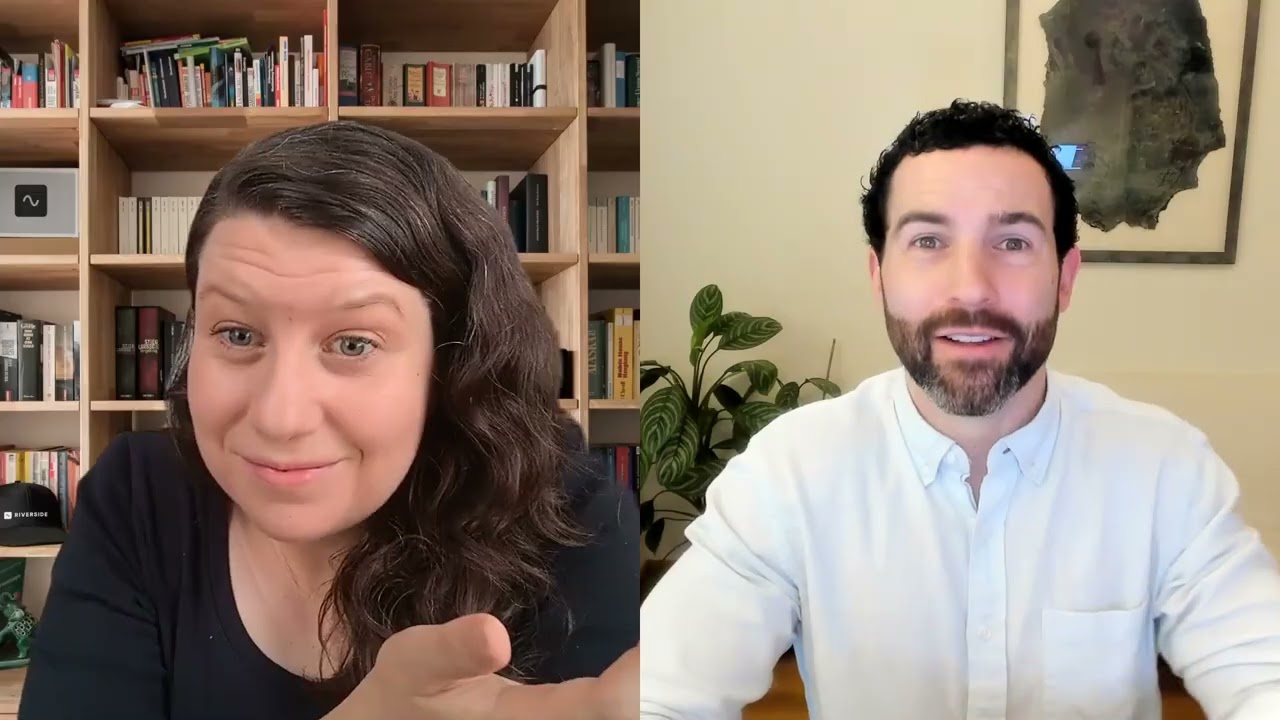
UpSkill America Senior Director Haley Glover joined the “Behind Every Employer” podcast to discuss Streamlining Success. Speaking with hosts Anson Green and Jeffrey Abramowitz, Glover spotlights innovative approaches to building and sustaining the nursing workforce. Hear how Texas employers and educators are collaborating to train, support, and advance nurses to meet today’s critical healthcare demands.
Webinar
FAQs
Please direct all questions to [email protected]
About UpSkill America
UpSkill America, an initiative of the Economic Opportunities Program, supports employers and workforce organizations to expand and improve high-quality educational and career advancement opportunities for America’s front-line workers.
About the Economic Opportunities Program
The Aspen Institute Economic Opportunities Program advances strategies, policies, and ideas to help low- and moderate-income people thrive in a changing economy.
Join Our Mailing List
To receive occasional emails about our work — including new publications, commentary, events, fellowships, and more — join our mailing list.
Connect on Social Media
For news and updates every day, connect with us on the social media platform of your choice.

A Typology of State-Supported Work-Connected Learning Programs

The Workforce of the Future Starts with Adult Basic Education

Foundational Skills: Early Insights from Employers and Providers
How Tax Policy Can Help Employers Expand Access to Learning

Adult Working Learners Vote With Their Feet: What Employers Are Learning About Foundational Skills

The Impact of Foundational Skills on Workforce Success

Making Skills-First Work for Small Businesses