Aspen is a place for leaders to lift their sights above the possessions which possess them. To confront their own nature as human beings, to regain control over their own humanity by becoming more self-aware, more self-correcting, and hence more self-fulfilling.
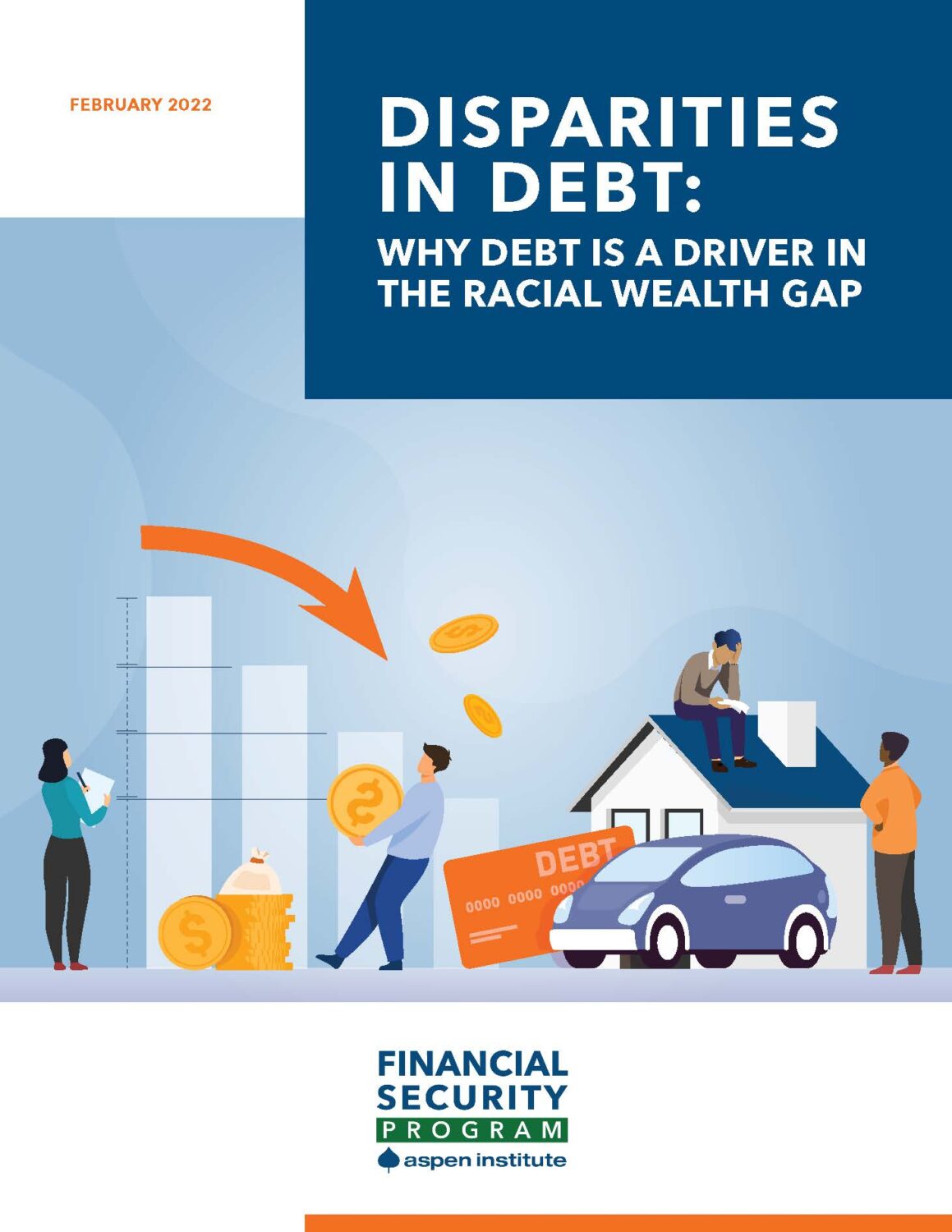
Today in America, debt collection lawsuits are simultaneously on the rise, wreaking havoc on the financial lives of millions of low-income households of color, and poorly understood by almost everyone outside the legal system, including the 68 million adults who have debt in collections. It’s a dangerous combination, not only for individuals, but also for those of us working to strengthen Americans’ financial security, whether by boosting household income, reducing the racial wealth gap, building savings, or improving other critical components of financial health. While we are striving to strengthen the asset side of the household balance sheet, these lawsuits threaten those assets, and with it, the financial lives of vulnerable Americans, particularly low-income individuals and people of color who are disproportionately harmed by debt collection lawsuits. Debt collection lawsuits, more commonly known as debt collection litigation, are a potential step in the collection process for an unpaid debt or bill.
For readers unfamiliar with the subject, we offer a simple, non-technical explanation of debt collection litigation, including a review of the process and of the impacts of debt and debt collection litigation in the lives of people in America.
Benefits screeners are a popular tool for increasing benefits access. This report offers a framework for benefits leaders to understand the role screeners play and assess their effectiveness.
Philanthropy has an opportunity to find and invest in solutions to support the millions of households struggling at all phases of the medical debt lifecycle.
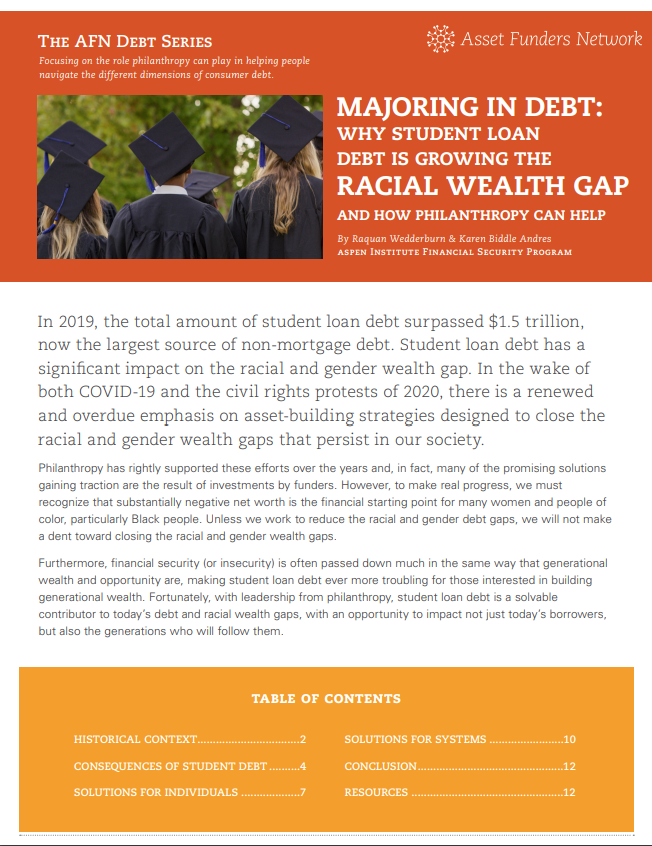
The problems that emerge from carrying student loan debt are systemic and have consequences not only for borrowers and their households, but also their communities, their states, and the nation’s economy. But these problems are solvable.