Aspen is a place for leaders to lift their sights above the possessions which possess them. To confront their own nature as human beings, to regain control over their own humanity by becoming more self-aware, more self-correcting, and hence more self-fulfilling.
Income volatility is a critical issue for understanding financial security today, which is why Aspen FSP is devoting the inaugural year of its new knowledge-synthesis initiative, the Expanding Prosperity Impact Collaborative (EPIC), to the issue. EPIC aims to be an evidence-based forum for gaining clarity about the nature of the problem, its evolution, its significance, and our options for responding. This second brief looks at managing income volatility at both the household and societal levels. It presents a framework for thinking through possible solutions, both government- and market-based. It was informed by and should be considered part of the EPIC process. Most notably, many of the policy ideas outlined below were unearthed through the expert surveys we administered earlier this year, and the framework itself was workshopped and refined during a two-day convening we hosted in June.
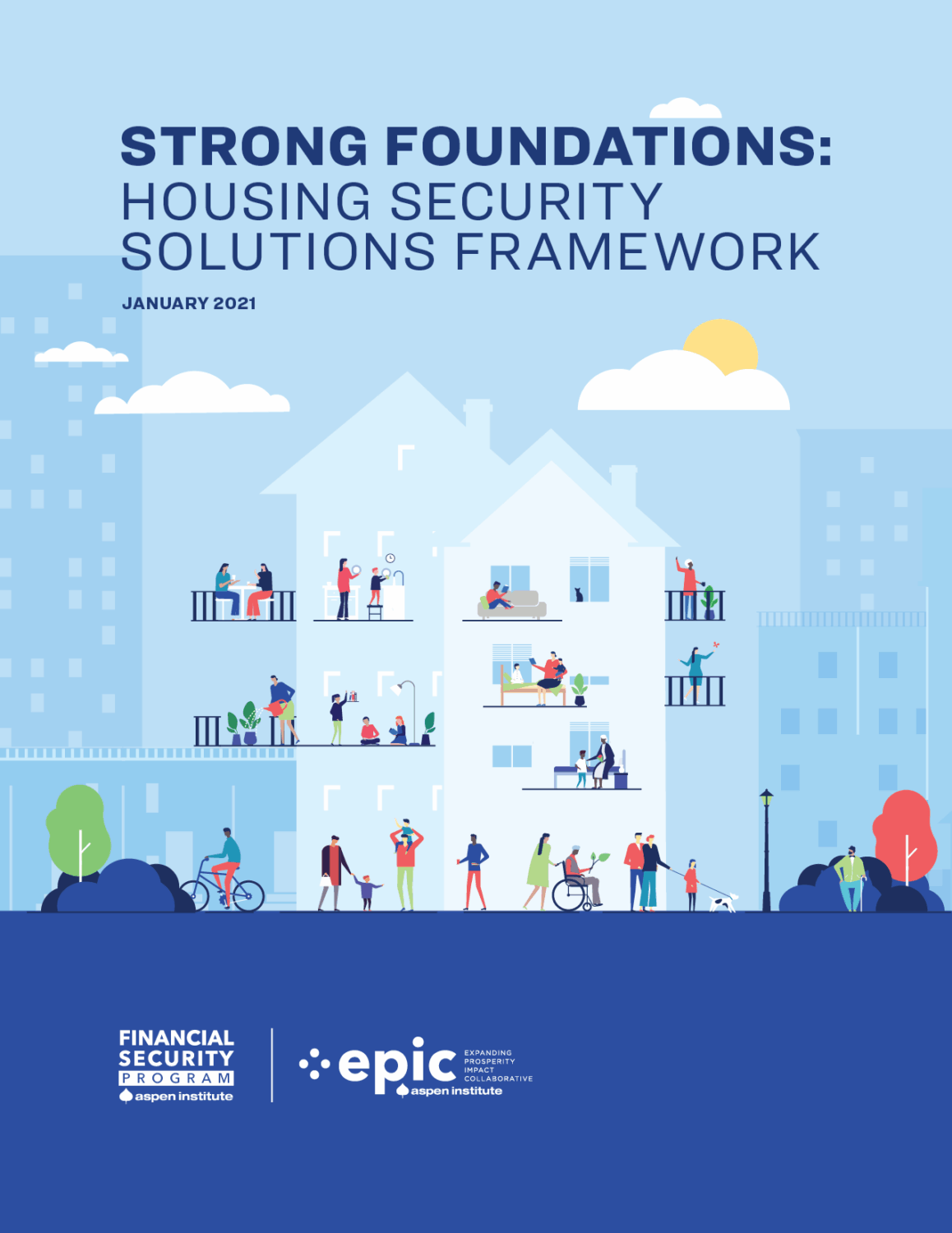
Everyone can do something to expand housing security in their own communities. Find the robust set of solutions for effective, equitable, and sustainable housing in the full solutions framework.
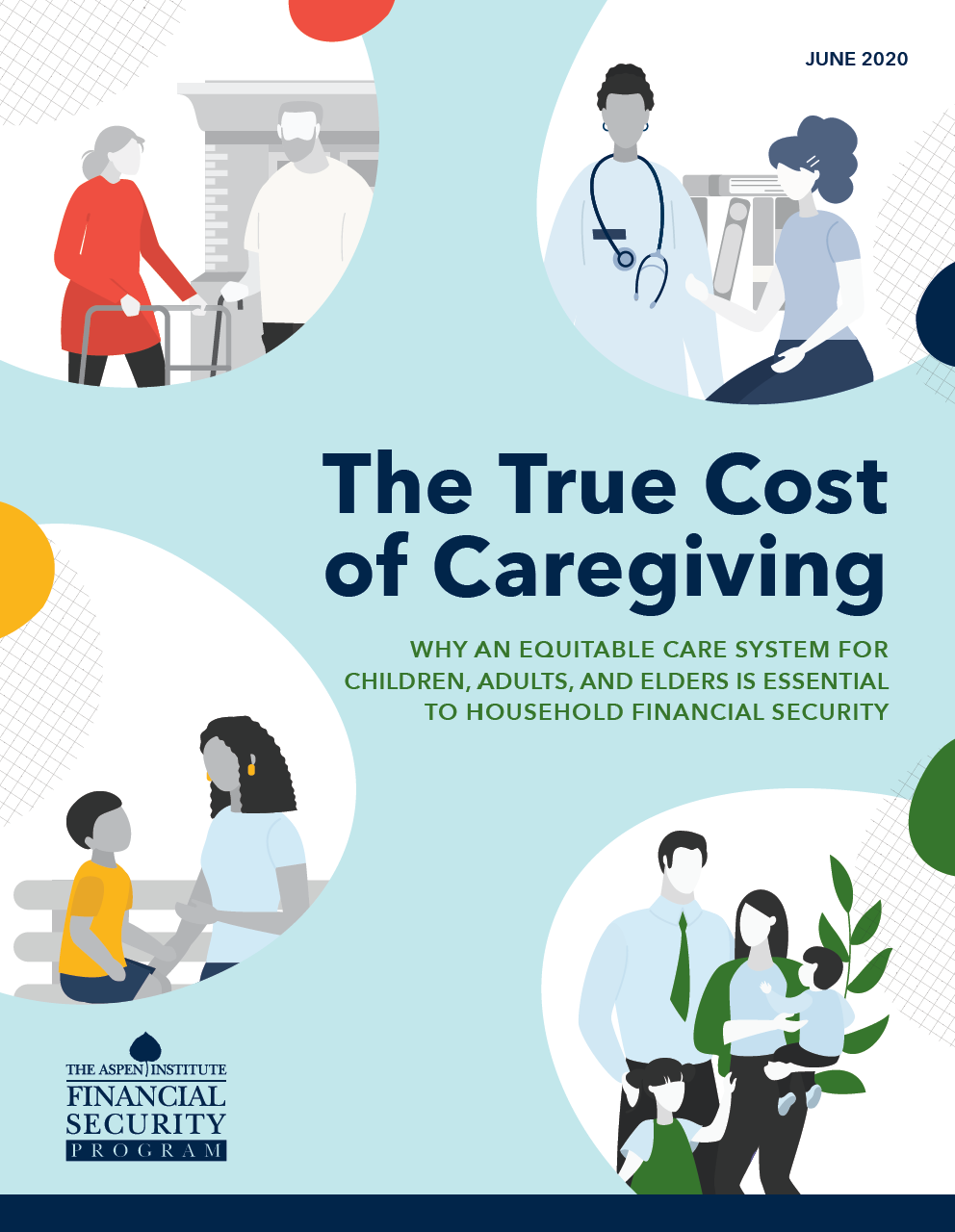
This report illustrates four pillars of care: child care and early education, adult and elder care, family caregiving and self care, and professional caregiving.
This spring, the Expanding Prosperity Impact Collaborative (EPIC), an initiative of the Aspen Institute Financial Security Program, released a study on ways to help those with student loan debt to eliminate some portion of their federal student loans.