Aspen is a place for leaders to lift their sights above the possessions which possess them. To confront their own nature as human beings, to regain control over their own humanity by becoming more self-aware, more self-correcting, and hence more self-fulfilling.
Lifting the Weight: Consumer Debt Solutions Framework
November 14, 2018
Financial Security Program
Consumer debt is ubiquitous. Although at any given time some Americans are debt-free, most of us carry debt some or even all of the time. We borrow for various reasons, and we are increasingly likely to incur debt also from non-loan sources (such as an out-of-pocket medical expense or being assessed a governmental fine or fee). Consumer debt is not inherently bad (taking on debt can often be a sound financial decision), but it is a concern today because it has reached record levels, and its effects reach deeply into financial security, physical and mental health, as well as the broader economy. Consumer debt is a systemic problem with significant consequences, but there are systemic solutions.
With solutions ranging from product-level improvements to broader reforms, the Aspen Financial Security Program’s the Expanding Prosperity Impact Collaborative (EPIC) has identified options for stakeholders in every sector and for partnerships across sectors. Collectively, these solutions possess tremendous potential to address a critical dimension of household financial insecurity.
EPIC’s research has identified seven specific consumer debt problems – all amenable to solutions – that result in financial insecurity and damage well-being. Four of the identified problems are general to consumer debt: households’ lack of savings or financial cushion, restricted access to existing high-quality credit for specific groups of consumers, exposure to harmful loan terms and features, and detrimental delinquency, default, and collections practices. The other three problems relate to structural features of three specific types of debt: student loans, medical debt, and government fines and fees.
Philanthropy has an opportunity to find and invest in solutions to support the millions of households struggling at all phases of the medical debt lifecycle.
The problems that emerge from carrying student loan debt are systemic and have consequences not only for borrowers and their households, but also their communities, their states, and the nation’s economy. But these problems are solvable.
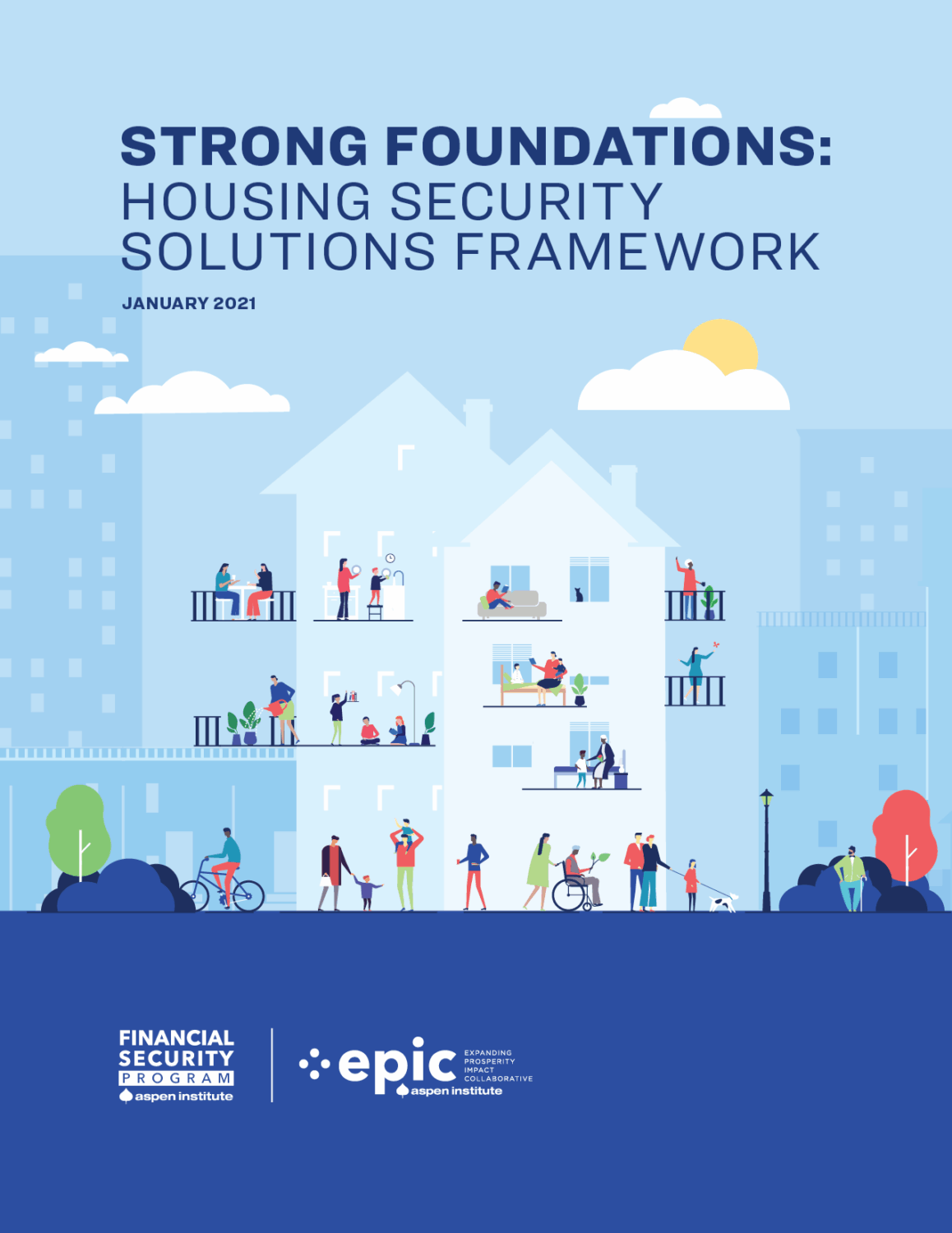
Everyone can do something to expand housing security in their own communities. Find the robust set of solutions for effective, equitable, and sustainable housing in the full solutions framework.
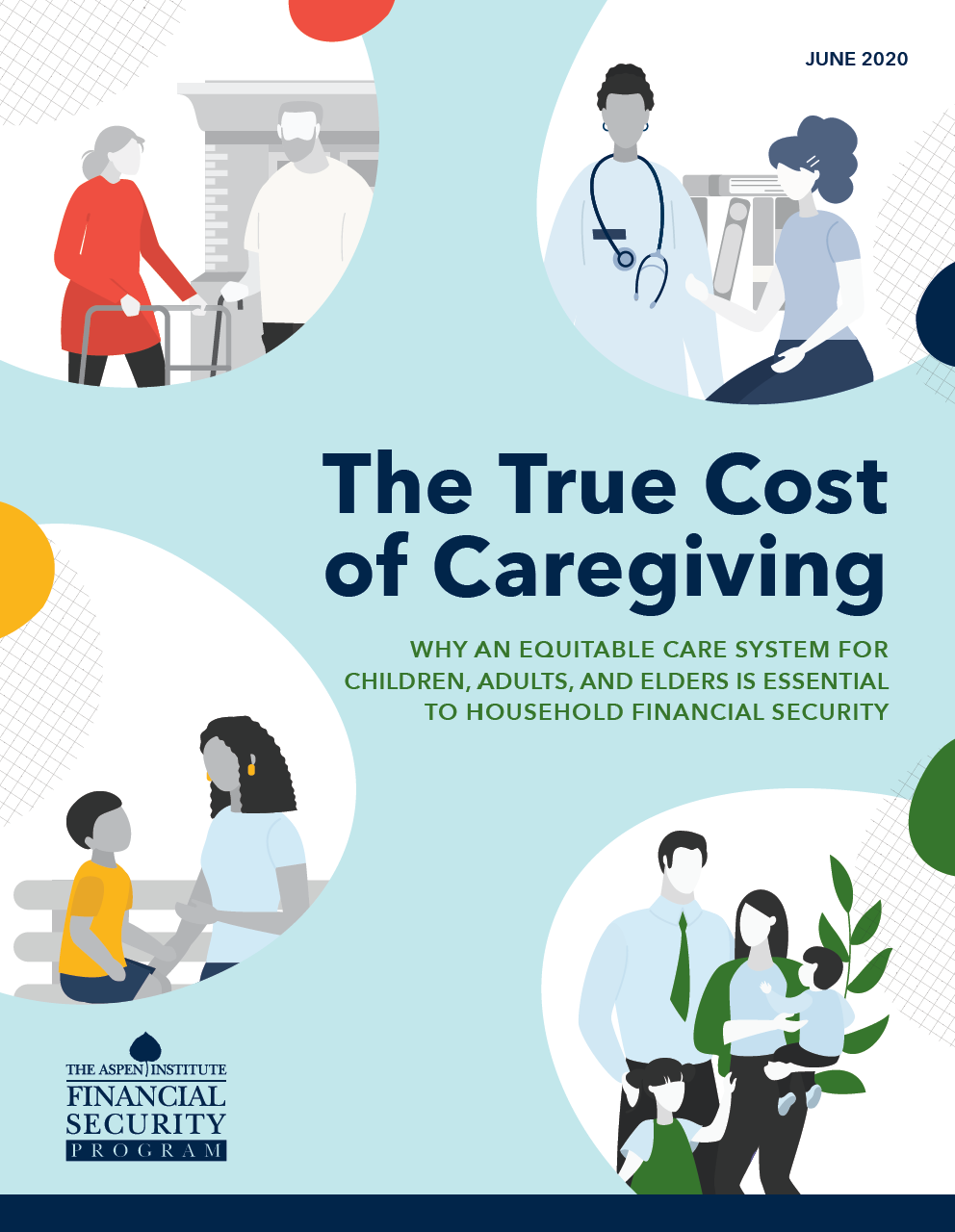
This report illustrates four pillars of care: child care and early education, adult and elder care, family caregiving and self care, and professional caregiving.