Aspen is a place for leaders to lift their sights above the possessions which possess them. To confront their own nature as human beings, to regain control over their own humanity by becoming more self-aware, more self-correcting, and hence more self-fulfilling.
Responses to and Repercussions from Income Volatility in Low- and Moderate-Income Households: Results from a National Survey
December 22, 2017
Financial Security Program
This is the second in a series of briefs produced by a partnership between the Aspen Institute’s Expanding Prosperity Impact Collaborative (EPIC), Washington University’s Center for Social Development (CSD), and the Intuit Tax and Financial Center. The first brief highlighted new data on the prevalence of income and expense volatility in low- and moderate-income households. This brief will focus on the potential consequences of volatility and how it relates to financial behavior.
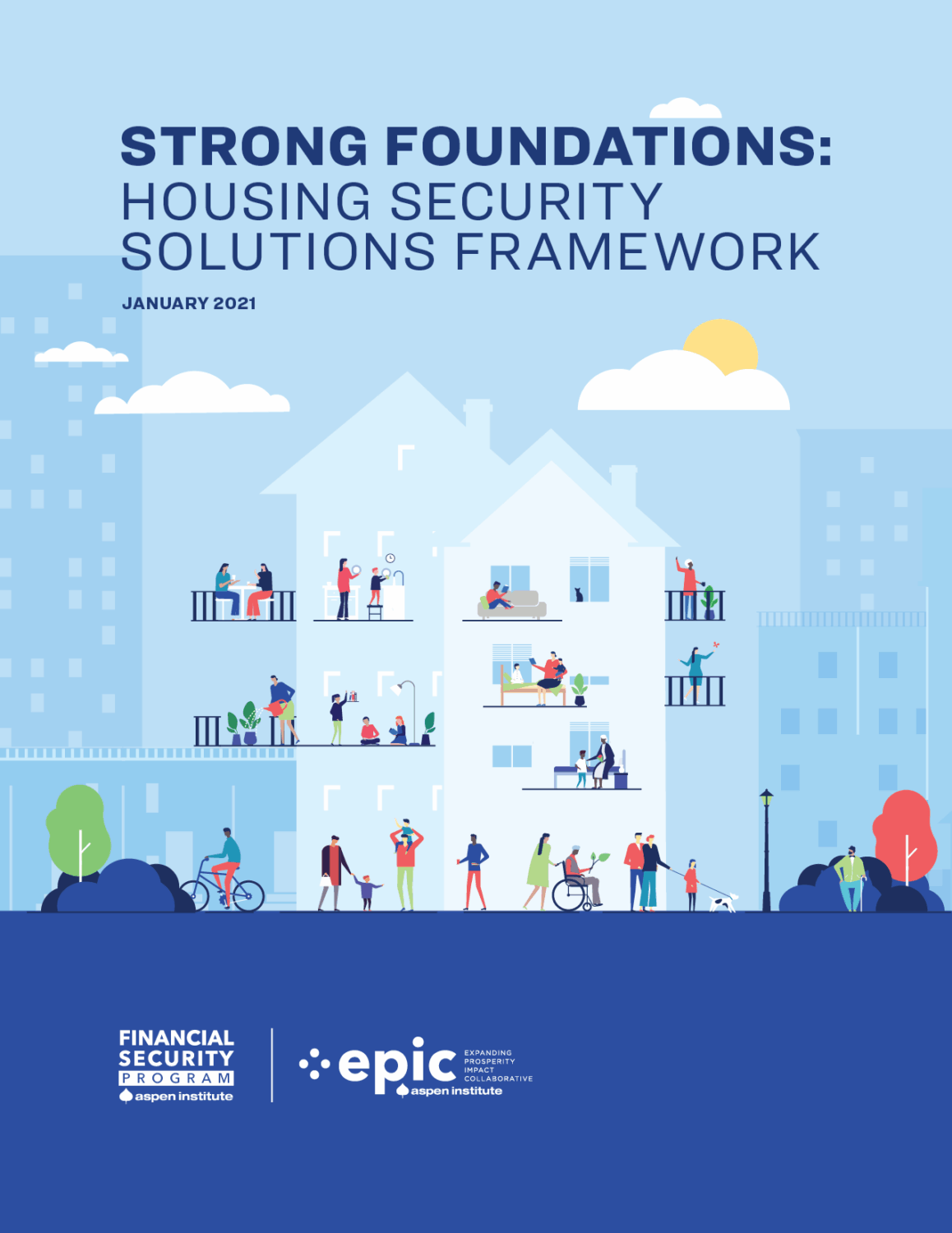
Everyone can do something to expand housing security in their own communities. Find the robust set of solutions for effective, equitable, and sustainable housing in the full solutions framework.
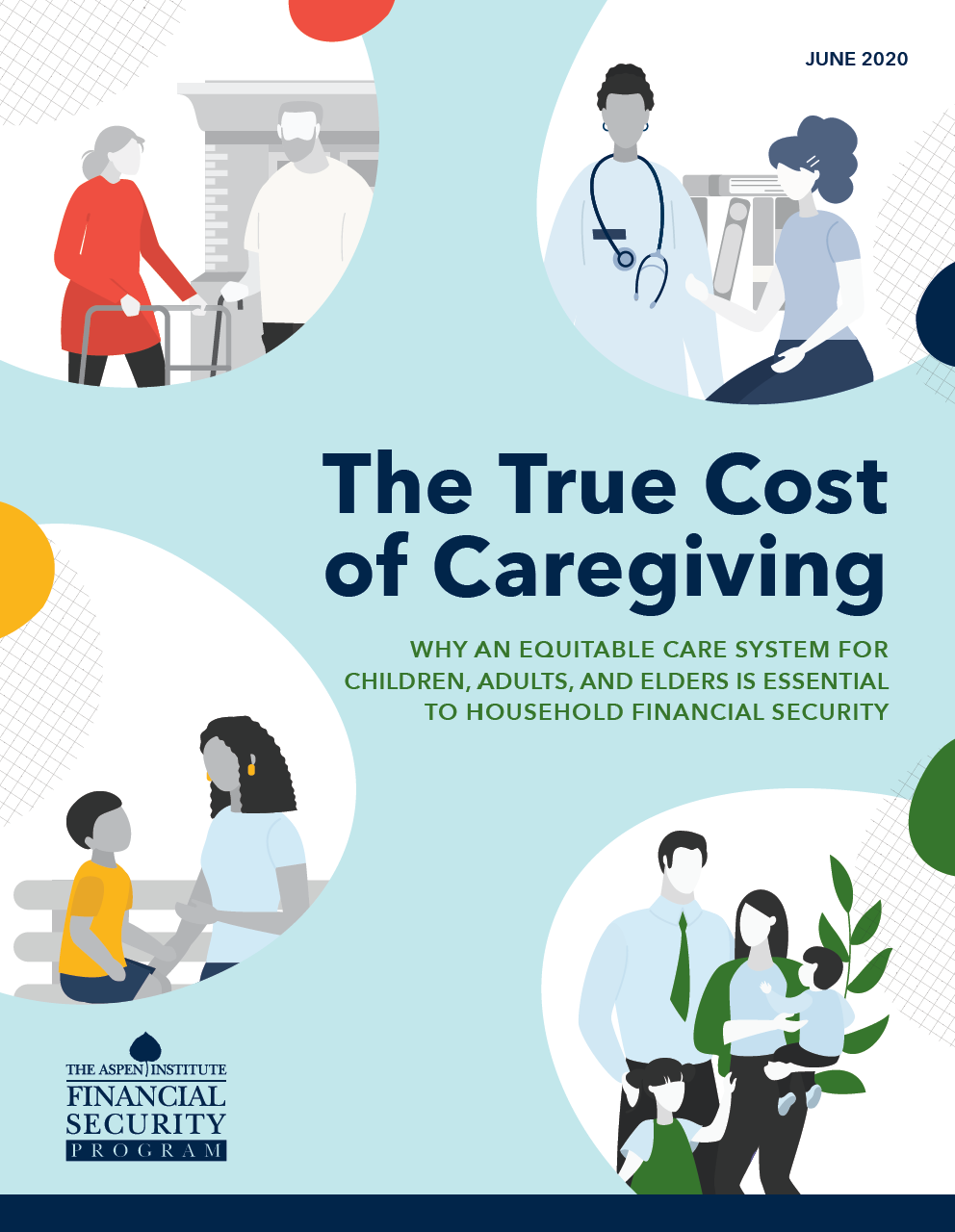
This report illustrates four pillars of care: child care and early education, adult and elder care, family caregiving and self care, and professional caregiving.
This spring, the Expanding Prosperity Impact Collaborative (EPIC), an initiative of the Aspen Institute Financial Security Program, released a study on ways to help those with student loan debt to eliminate some portion of their federal student loans.