Aspen is a place for leaders to lift their sights above the possessions which possess them. To confront their own nature as human beings, to regain control over their own humanity by becoming more self-aware, more self-correcting, and hence more self-fulfilling.
Solving the Consumer Debt Crisis: An Action Guide for Local Government
February 19, 2019
Financial Security Program
Empowering local leaders to take ownership of consumer debt and continue to drive solutions forward
The Aspen Institute’s Expanding Prosperity Impact Collaborative (EPIC) spent 18 months harnessing the knowledge of a wide cross-section of experts working in non-profit, academic, government and industry settings to generate deeply informed analyses of and solutions to the consumer debt issue.
Consumer debt has significant consequences, especially for low- and moderate-income households and other financially vulnerable Americans. The good news is that the consumer debt crisis is also solvable. In building the consumer debt solutions framework, it became clear that many of the solutions to consumer debt could be tackled at the local level.
There are four areas where local government possess tremendous potential to address a critical dimension of household financial insecurity:
Restricted Access to High-Quality Credit
Detrimental Delinquency, Default, and Collections Practices
Government Fines and Fees
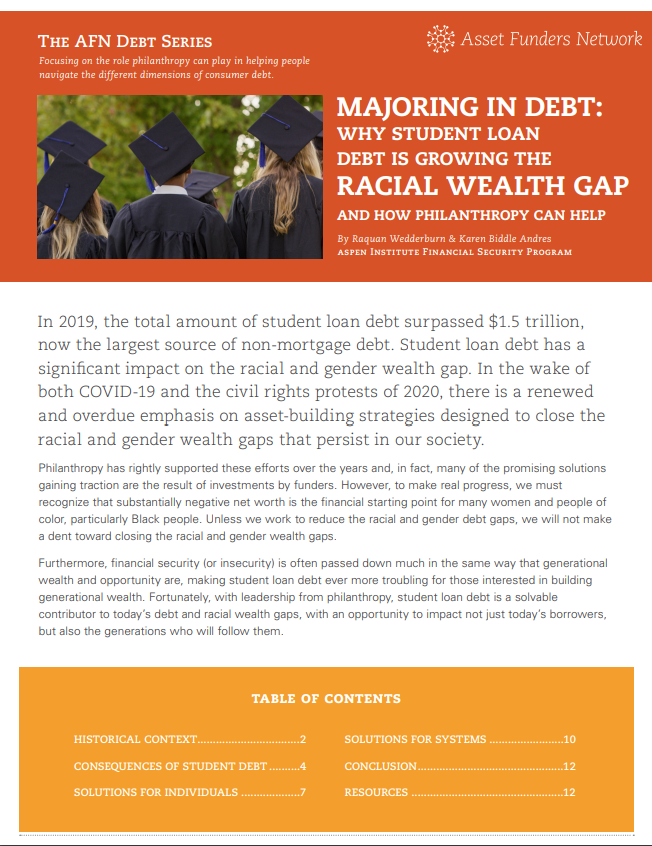
Student Loan Burdens
As we at EPIC turn to our next phase of work to support the acceleration of solutions to the consumer debt crisis, we invite leaders across all sectors to reach out to our team and consider us a resource in your own efforts to lift the weight of consumer debt from families, communities, and future generations of Americans.
Local government may use this as a guide for pursuing tailored solutions to help mitigate the effects of consumer debt. While not exhaustive, this list is based on the results of Aspen EPIC’s research, consumer focus groups, notes from public and private events, and the collection of commitments that emerged from our work. Click here for the full solutions framework.
Philanthropy has an opportunity to find and invest in solutions to support the millions of households struggling at all phases of the medical debt lifecycle.
The problems that emerge from carrying student loan debt are systemic and have consequences not only for borrowers and their households, but also their communities, their states, and the nation’s economy. But these problems are solvable.
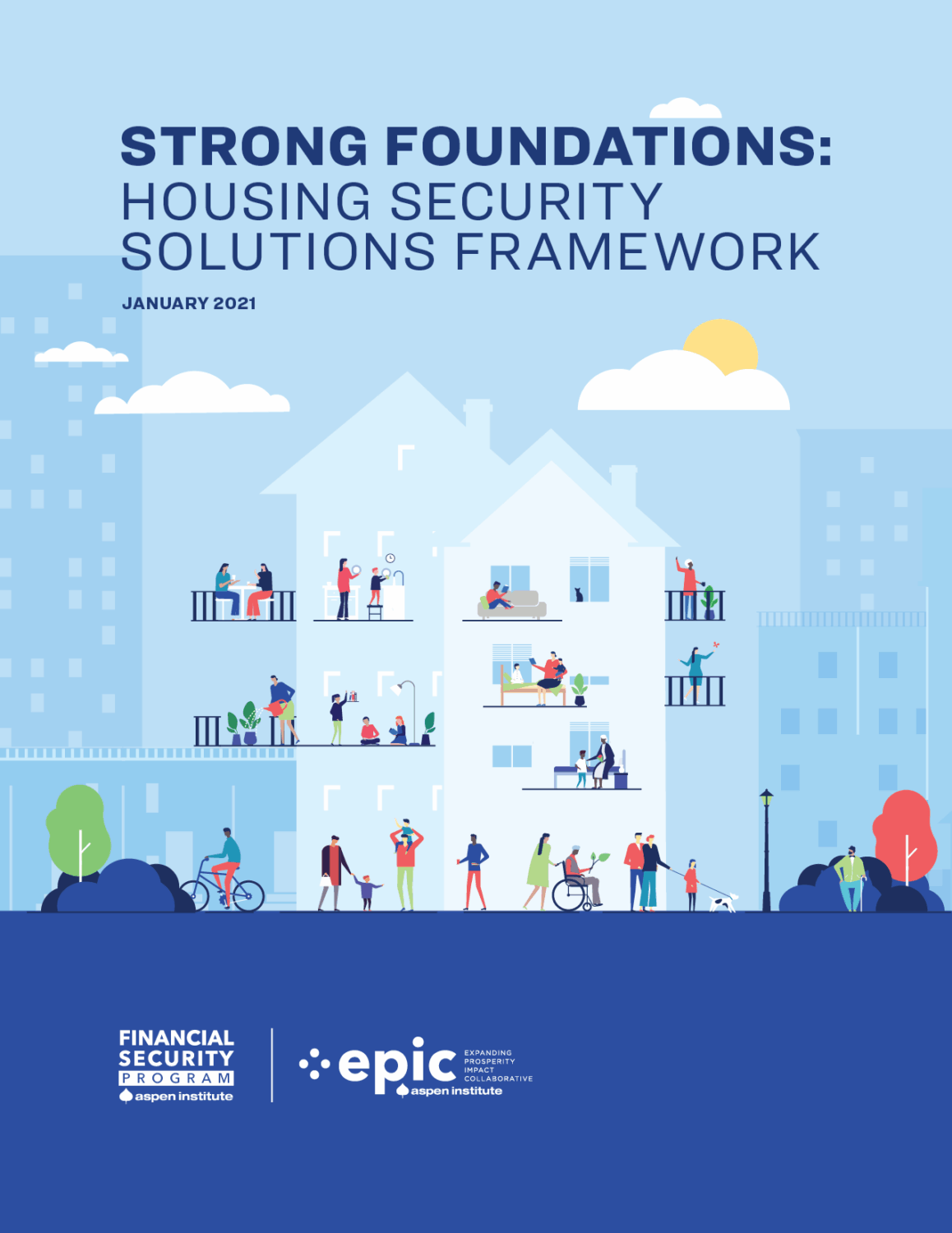
Everyone can do something to expand housing security in their own communities. Find the robust set of solutions for effective, equitable, and sustainable housing in the full solutions framework.
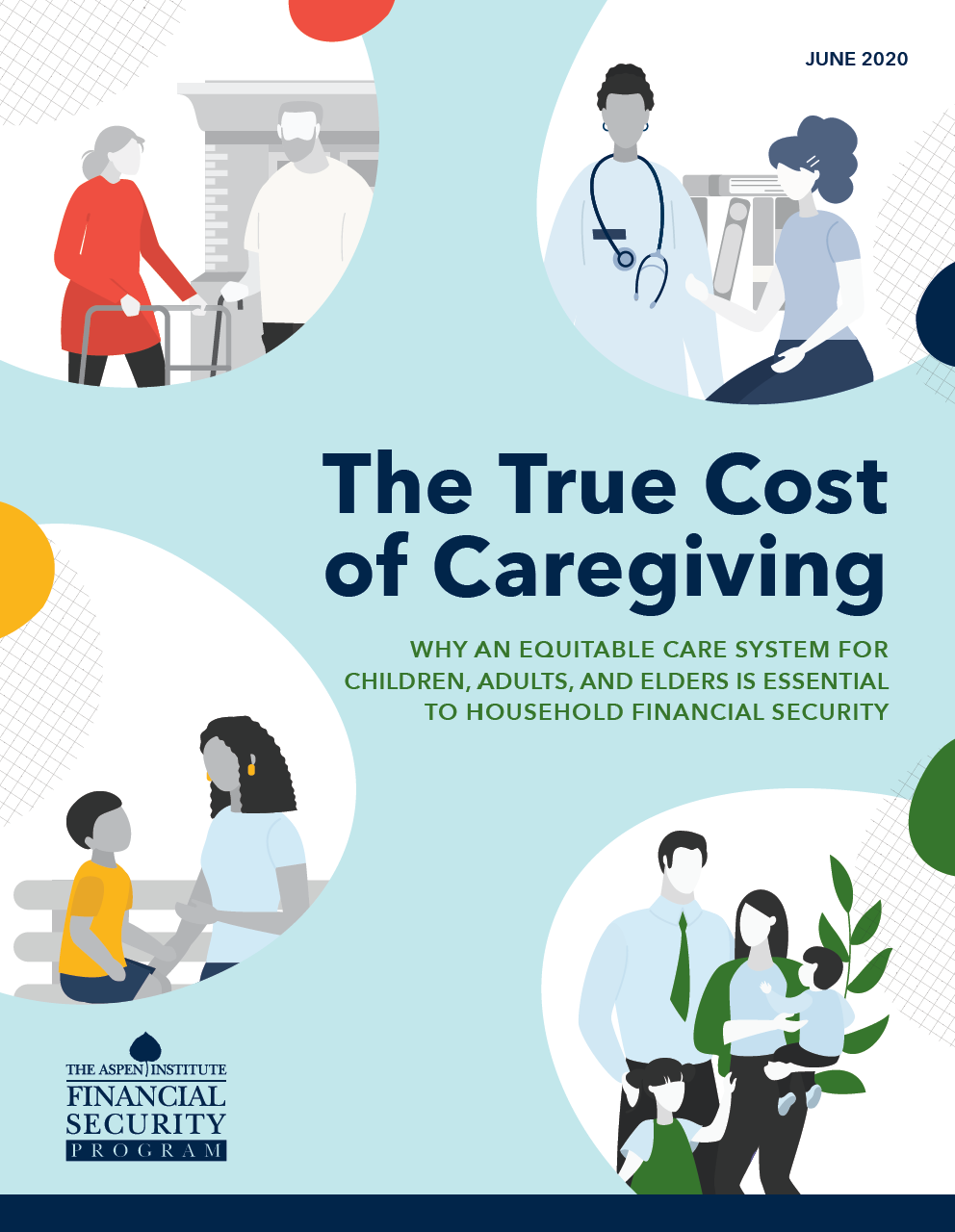
This report illustrates four pillars of care: child care and early education, adult and elder care, family caregiving and self care, and professional caregiving.