Start at the Beginning: A Person-Centered Design and Evaluation Framework for Policies to Boost Household Cash Flow and Beyond

Rachel Black
Former Policy Advisor

Riani Carr
Manager, Benefits Transformation Initiative
In recognition of the growing momentum and interest from U.S-based policymakers in designing public benefits that boost household cash flow and provide U.S. families with the foundational stability from which they can thrive and progress toward longer term financial security, this paper provides policymakers with a new tool: a Person-Centered Policy Design and Evaluation framework, based on the lived experience and expertise of the people these policies are intended to support.
This framework is the product of an ongoing partnership between Springboard To Opportunities (“Springboard”), a non-profit organization in Jackson, MS and Aspen FSP to “center the margins” in policy design and evaluation, taking a people-centric approach to institutionalize the voice and influence of impacted communities at every step of the policymaking process.
In April 2021, Springboard kicked off its third year providing $1,000 per month to women participating in the Magnolia Mother’s Trust (MMT), the longest running guaranteed income program in the United States and the only initiative specifically targeting Black women with extremely low incomes living in affordable housing. This framework distills information from interviews and focus groups with dozens of women served by Springboard from 2016 to the present with direct knowledge of and experience with programs to boost household cash flow and merges these unique insights with research providing further context and directions for responsive reforms.
Finally, the paper applies this framework to three policies specifically designed to boost the household incomes of families with children – the expanded Child Tax Credit, the original Child Tax Credit, and Temporary Assistance for Needy Families (TANF) – to see how well each meets performance goals of a person-centered approach to such policies.

Modernizing EBT Security Is Long Overdue. Policymakers Can’t Just Mandate It; They Need to Pay for It.
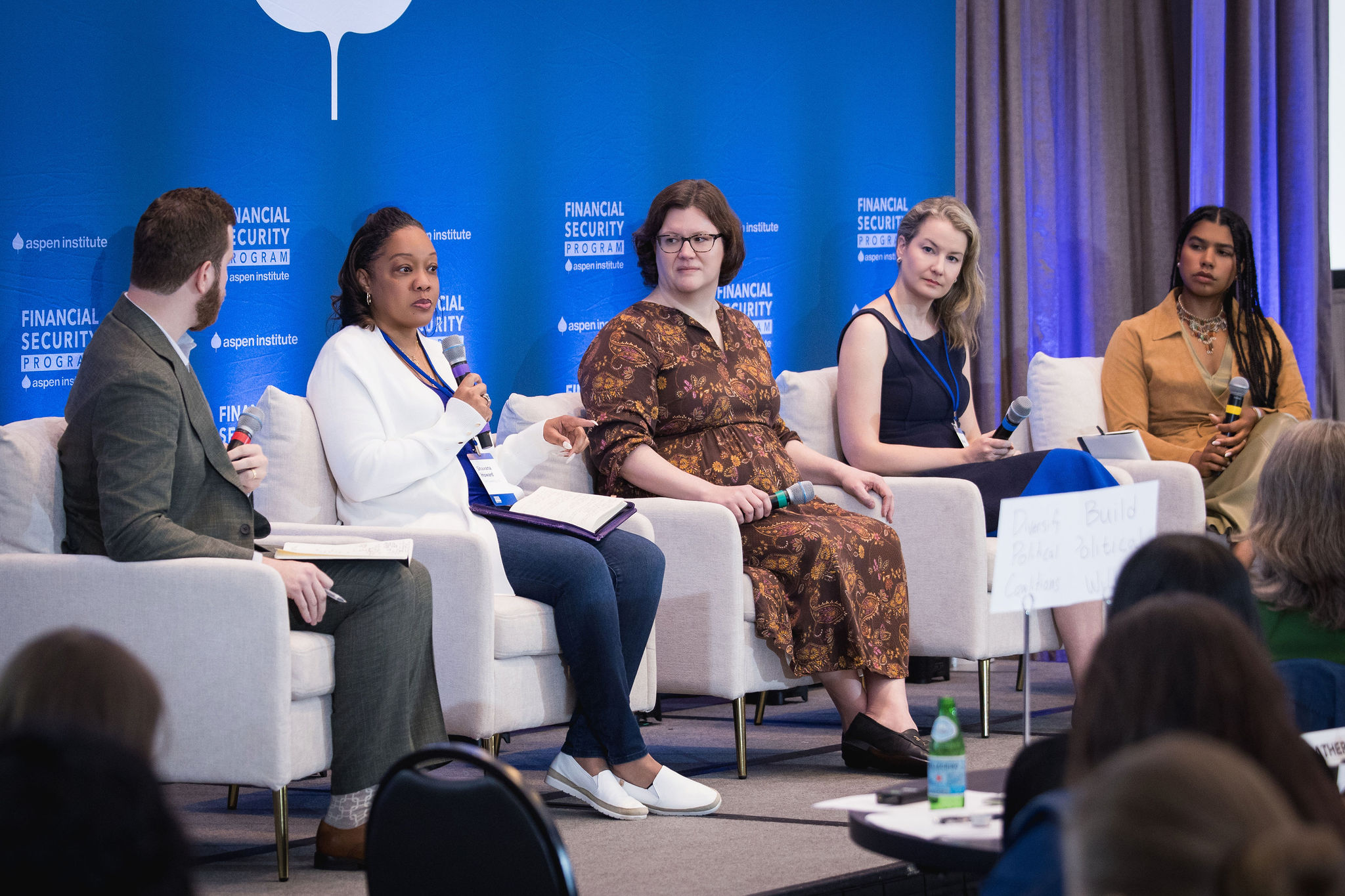
North Stars in a Moment of Constraint

Person-Centered Language

Phases of Person-Centered Work
Bridging the Information Gap: How Organizations Can Assess and Use Benefits Screeners
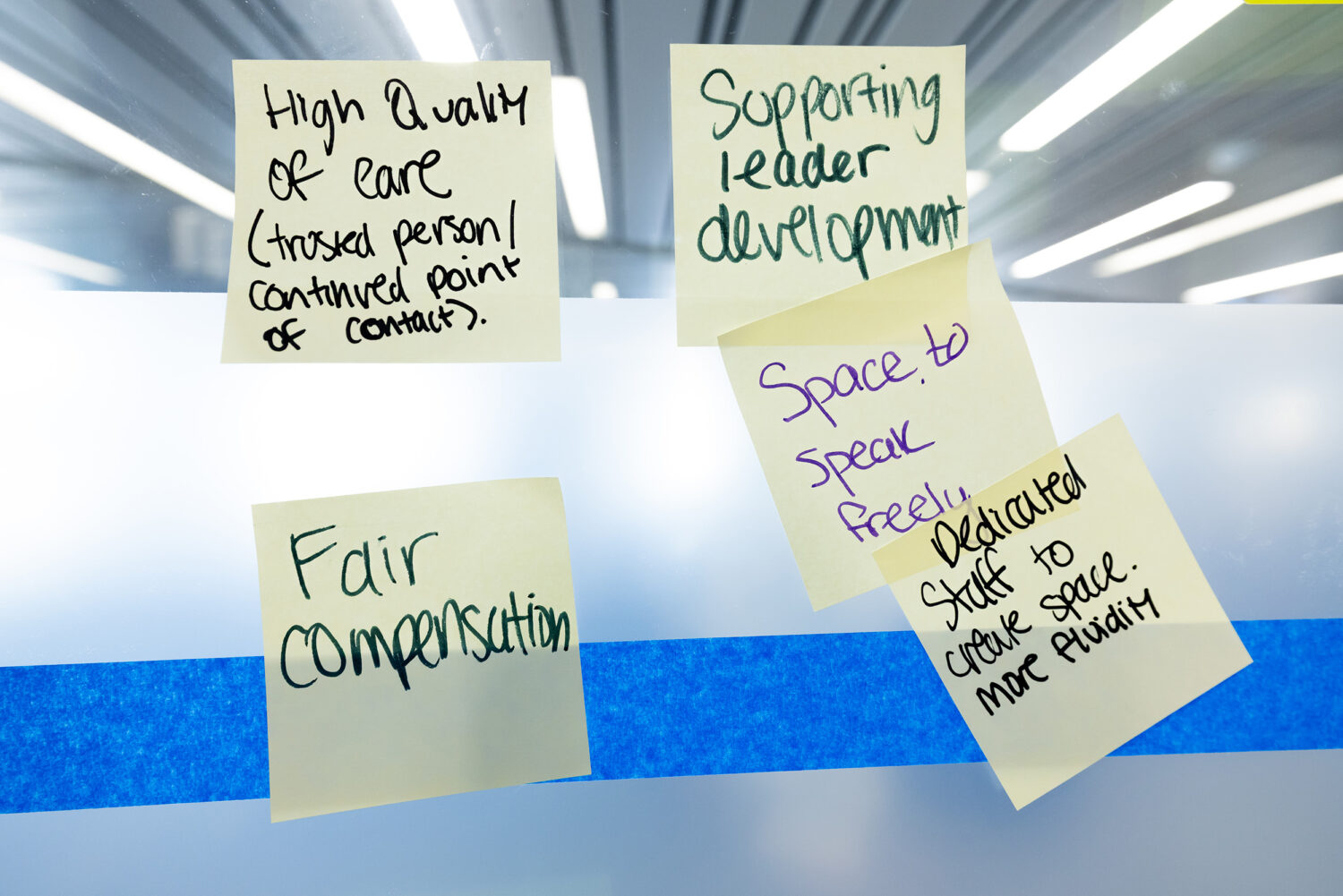
From Band-Aids to Stepping Stones: How We Can Rebuild Young Adults’ Trust in Public Benefit Systems
OBBBA’s Impact on Young Adults and 5 Strategies to Support Them
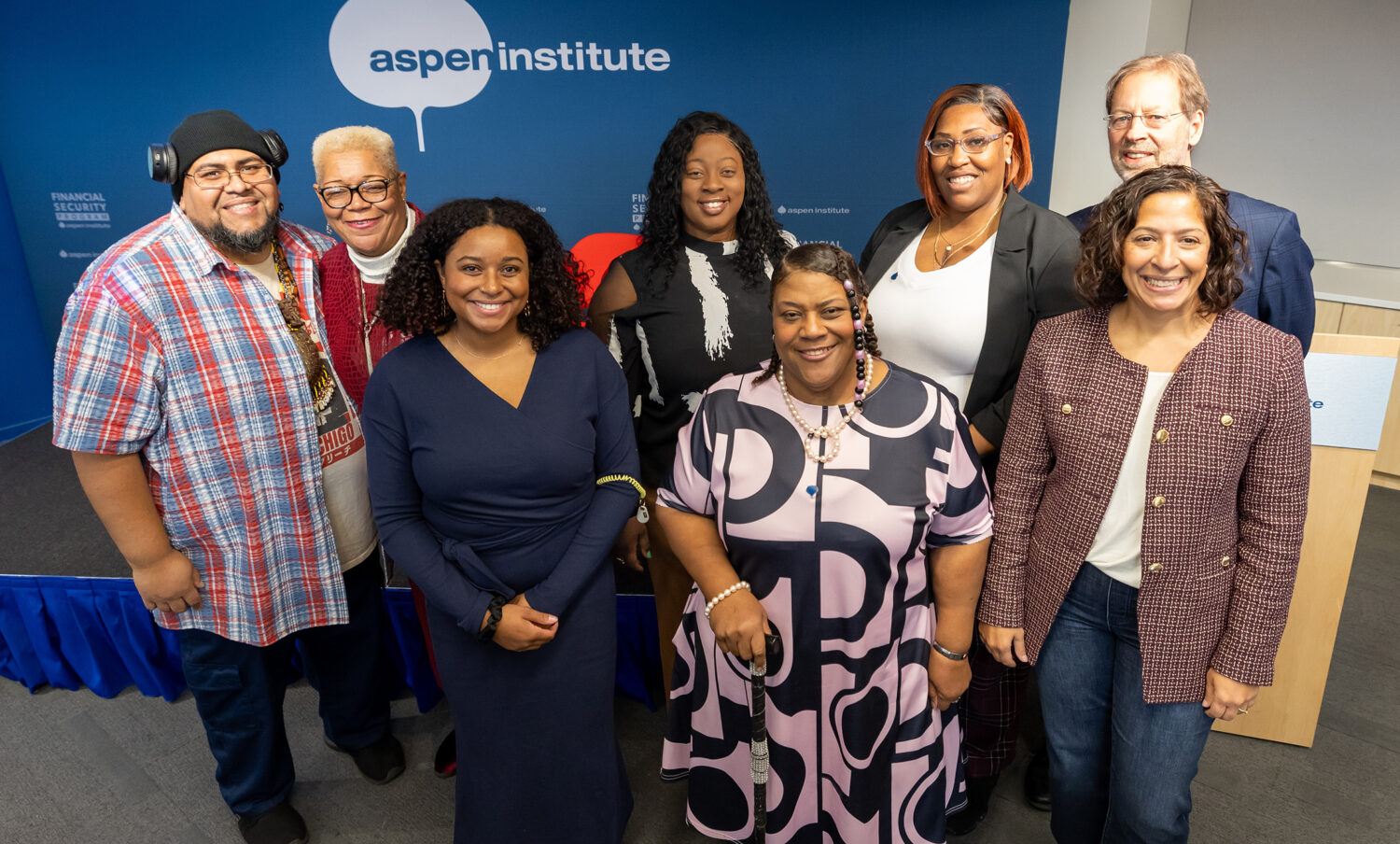
Dignity, Trust, and Legacy: What Aspen FSP’s Community Advisory Group Has Taught Me
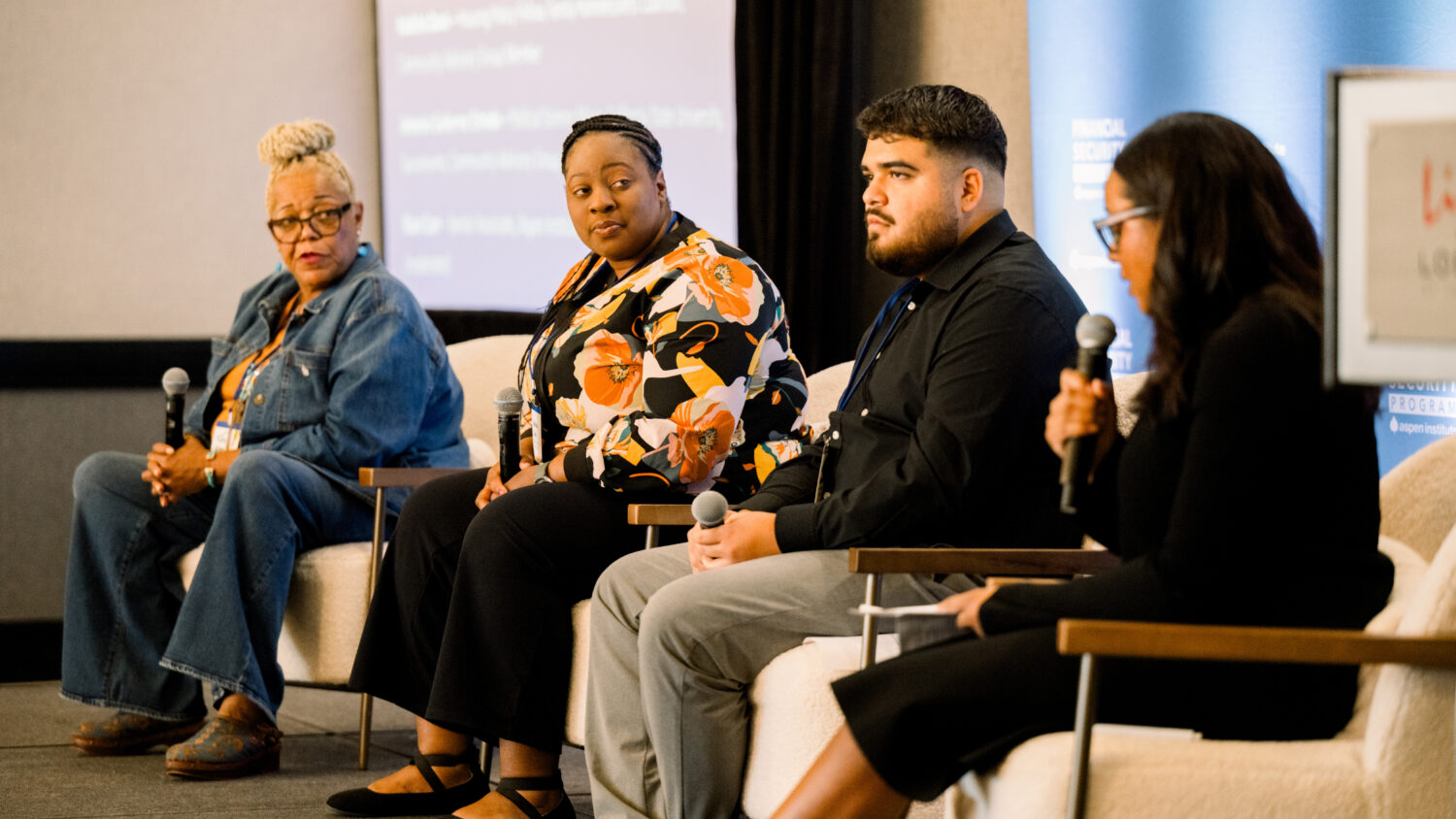
Why Current Solutions Fail Our Most Painful Financial Shocks: Insights from our Community Advisory Group