Aspen is a place for leaders to lift their sights above the possessions which possess them. To confront their own nature as human beings, to regain control over their own humanity by becoming more self-aware, more self-correcting, and hence more self-fulfilling.
A structurally inclusive financial system provides all people with the ability to access, utilize, and reap the benefits of a full suite of financial services that facilitate stability, resilience, and long-term financial security. However, the U.S. financial system currently fails to meet this definition. In 2021, nearly 1 in 5 households in the U.S. were either entirely disconnected from mainstream financial services or, despite having an account with a bank or credit union, still turned to costly alternatives to get the financial services they needed.
This report zeroes in on access to basic banking as the price of entry to the current U.S. financial system. Without basic banking products, people are locked out of other related systems, such as credit and financing, insurance, and savings. To better understand the context and current state of financial inclusion in the U.S. banking system, the Aspen Institute Financial Security Program conducted research and detailed interviews with more than 20 leaders from advocacy and civil rights organizations, mission-oriented financial service providers, and research institutions.
These leading experts agree that despite a spate of promising inclusive practices, persistent barriers continue to undermine financial inclusion at scale. This report provides an important analysis of those barriers and highlights the need for coordinated action between the private and public sectors to ensure that we have structurally inclusive, systems-wide solutions.
Shared language is a key starting point for organizations looking to adopt person-centered practices. This resource offers a set of common terms to guide how we talk person-centered work.
This resource outlines four phases of person-centered work, illuminating key features of each phase. Designed to be used by a wide range of leaders, this tool can support internal assessment, knowledge building, and strategic planning.
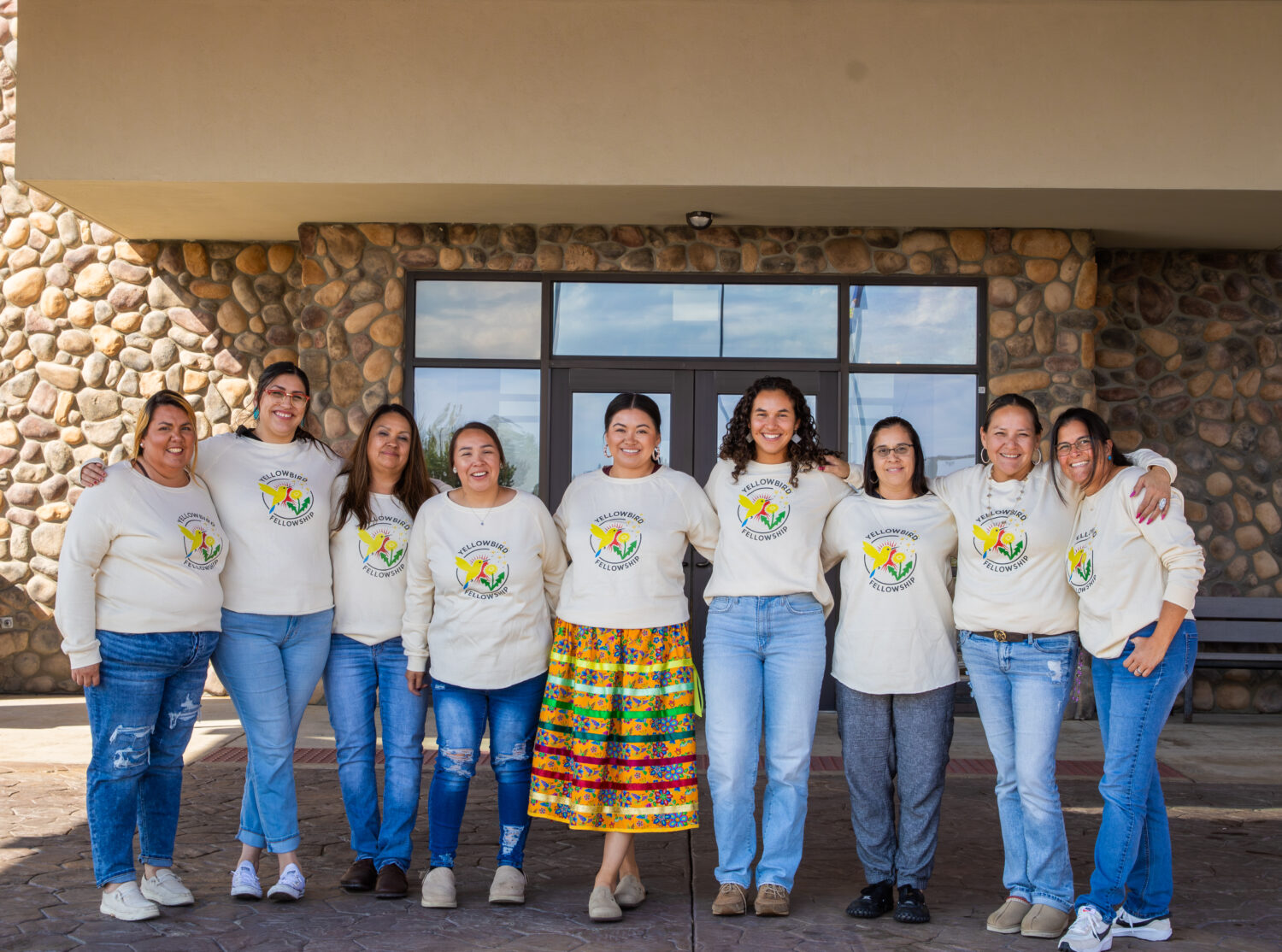
Native CDFIs play a critical role in the financial security of local communities and Native reservations. To learn more, we interviewed the leaders of a financial services training fellowship for Native professionals.
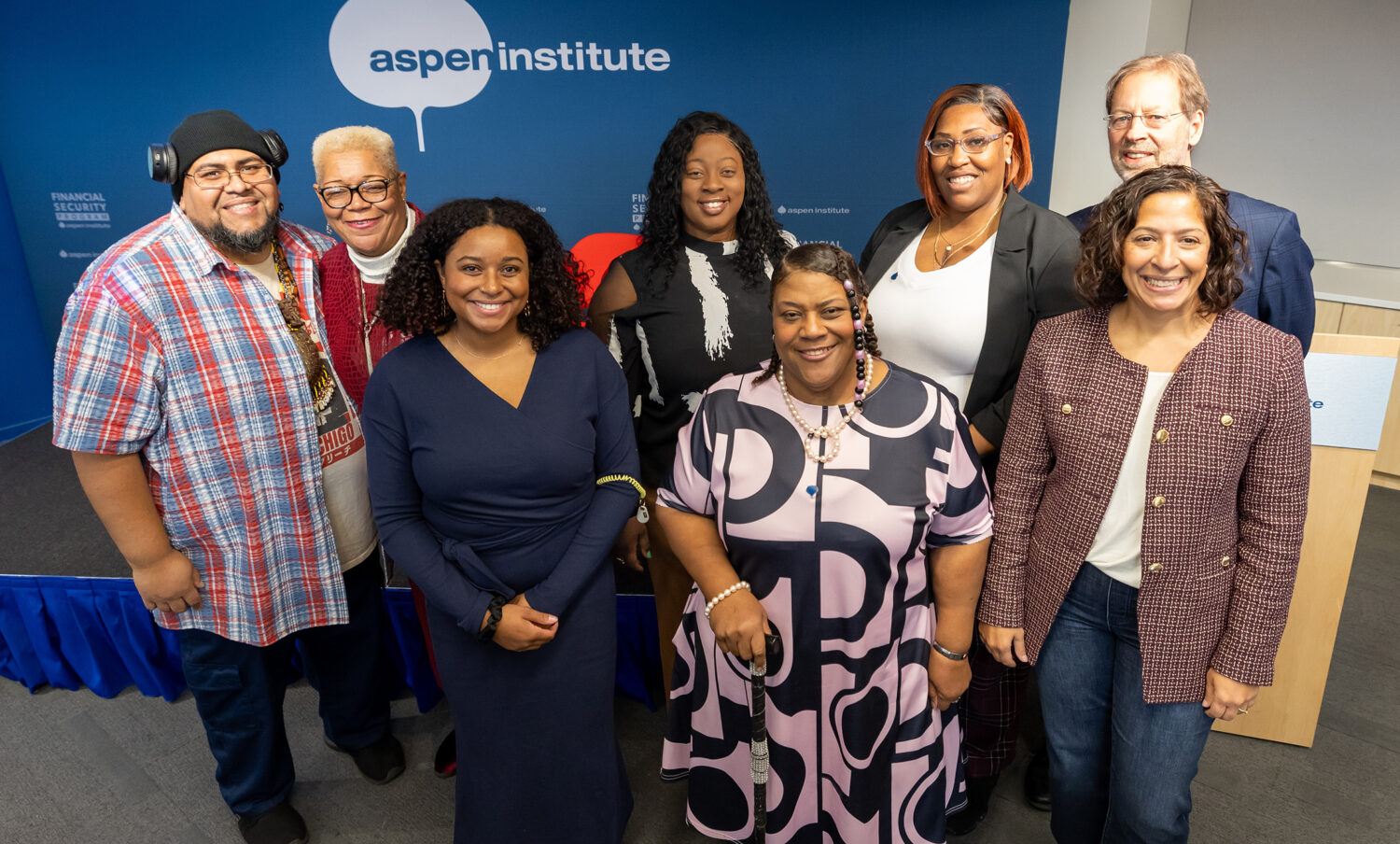
Since 2021, Aspen FSP and our Community Advisory Group have worked to forefront lived experience of financial insecurity across our research and convenings. Learn how in this reflection by Riani Carr.
Most households experience at least one financial shock in a given year, but there are few comprehensive solutions to help them. How can we solve this persistent challenge?