Announcing the Education and Career Mobility Fellowship
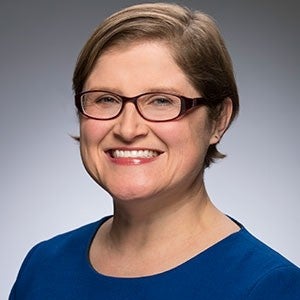
Haley Glover
Senior Director
UpSkill America, in partnership with Guild, is thrilled to announce the Education and Career Mobility Fellowship, a professional development and peer learning opportunity designed specifically for corporate education and career mobility program professionals.
Our Objectives
Over the last decade, forward-looking employers have stepped up and invested in their biggest asset — their people — empowering working adults to gain the education and skill they need to thrive. With support from employers like Walmart, McDonald’s, Disney, Starbucks, and others, millions of workers are now eligible to complete a high school diploma, gain English language skills, earn high-quality industry-recognized credentials, and earn college degrees, without accumulating debt or sacrificing their livelihoods.
Investing in talent pays off. The ROI resulting from tuition assistance programs is well established — companies that support employee education and training benefit from reduced turnover, increased career mobility through promotions and transfers, and increased diversity. Employees who participate in employer-supported education programs are more than twice as likely to experience a role change, advancing their careers.
These programs are making a difference for individuals, companies, communities, and the nation.
The Fellowship is designed to make a difference for the talented people who administer and manage these programs. We also know that this work, while fulfilling and important, can be difficult, and we know that many of these professionals come from very diverse backgrounds, including outside of education.
The Fellowship brings together program leaders who are engaged with Guild to learn, grow, and share, building the capacity and network to thrive in current roles, grow in leadership, and influence in the future.
What Fellows Will Gain
Fellows will gain new insights and understanding about economic and career mobility, higher education policy and governance, student success, equity in education and workforce, and the unique role of employers in supporting high-quality education. They will engage with nationally regarded experts, and they’ll have the opportunity to connect deeply with corporate learning and HR leaders, exploring best practices in their current roles and gaining insights into potential future roles.
Fellows will gain new relationships and partnerships, building a trusted network of colleagues in similar roles, a group working on similar issues and problems. The Fellowship will facilitate sharing and learning, helping participants avoid mistakes and solve problems faster.
What Fellows Will Do
The nine-month program will bring Fellows together with peers through:
- Four Fellowship seminars (two in person and two virtual), bringing Fellows together in deep learning, sharing, and community building.
- Monthly virtual sessions, where we’ll discuss shared issues, hear from speakers, and solve problems collaboratively.
- Ongoing chats and resource sharing, enabling informal connections with group members at any time.
Fellows will also have opportunities to participate in writing projects, speaking engagements, and other contributions, helping to build public profiles as leaders driving change within their organizations.
Fellowship Leadership Committee
UpSkill America and Guild have gathered leaders from Walmart, PepsiCo, Providence, and others in hospitality and financial services to form a Leadership Committee that will help launch the Fellowship. These early innovators in building effective, equitable education and career mobility opportunities will provide invaluable guidance to help drive rich insights and outcomes.
How to Apply
The Fellowship is a targeted opportunity for program managers and administrators who are working in organizations that are partnering with Guild, including current and potential partners. The application and other program details can be accessed here. Submit your application by July 31, 2023, for full consideration. For questions, please contact UpSkill America director Haley Glover at [email protected].
UpSkill America is thrilled to support this investment in the next generation of education and career mobility leaders.
About UpSkill America
UpSkill America, an initiative of the Economic Opportunities Program, supports employers and workforce organizations to expand and improve high-quality educational and career advancement opportunities for America’s front-line workers.
About the Economic Opportunities Program
The Aspen Institute Economic Opportunities Program advances strategies, policies, and ideas to help low- and moderate-income people thrive in a changing economy.
Join Our Mailing List
To receive occasional emails about our work — including new publications, commentary, events, fellowships, and more — join our mailing list.
Connect on Social Media
For news and updates every day, connect with us on the social media platform of your choice.

Room for Growth: A Survey of Upskilling Approaches — 2026 Analysis

Employer-Friendly Practices: A Guide for Higher Education
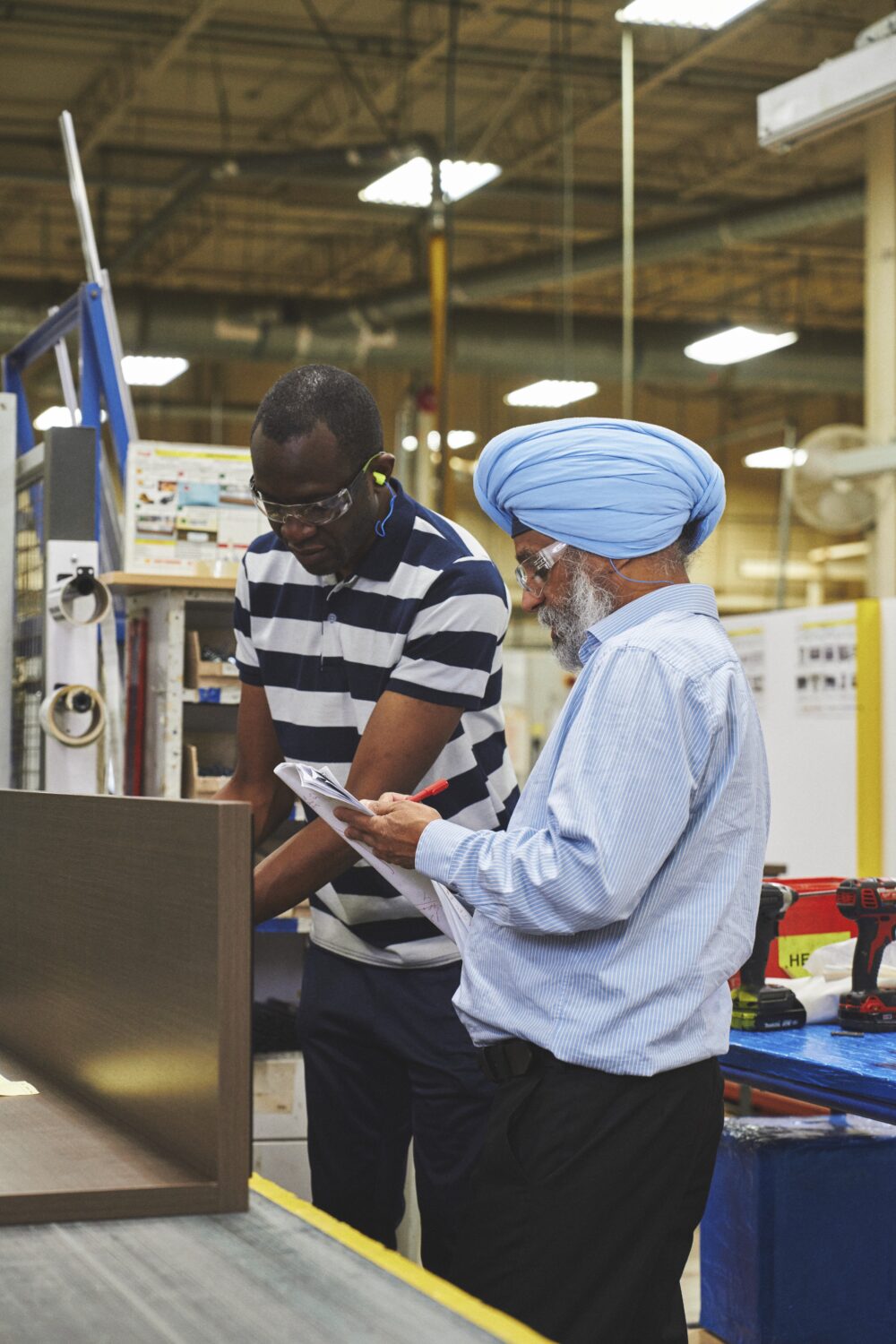
MillerKnoll: Developing Operations Leaders from Within and Beyond — A Case Study in Structured Talent Development

A Typology of State-Supported Work-Connected Learning Programs

The Workforce of the Future Starts with Adult Basic Education

Foundational Skills: Early Insights from Employers and Providers
How Tax Policy Can Help Employers Expand Access to Learning