Important and Hard Work
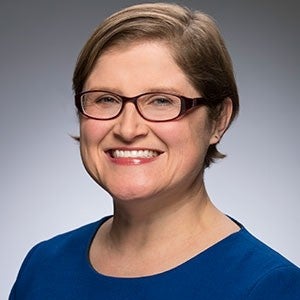
Haley Glover
Senior Director
Before I get into details about the Education and Career Mobility Fellowship, which met for our second in-person seminar last week, I’m going to get emotional. I strive to live my professional life between 4 and 6 on the emotional scale, because if I’m not there, I’m crying. Like Popeye, I yam who I yam.
Have you ever had a professional opportunity that married up what you want to work on with how you want to work, a compelling why for the work, and, importantly, an opportunity to work with who you want to work with? I’ve been around long enough to say that it is exceedingly rare that all of these things click at once, and when they do, it’s magical. For me, the Education and Career Mobility Fellowship is magic for the following reasons:
- What: All of us, in each of our roles and organizations, are working to create opportunities for frontline workers to learn and advance and live better and more empowered lives.
- How: We are building deep, personal relationships, working together to solve problems and generate the kind of ideas our field needs.
- Why: In addition to creating opportunity and improving lives, we’re creating real value for businesses. Upskilling is a win-win!
- Who: To a person, the Fellows are brilliant, committed, generous, amazing people.
And so, yes, I cried at the end of our seminar last week. I was overcome with gratitude for all the magic moments we built together. Throughout our time together, we kept coming back to one thing: what we’re doing is important. Collectively, our Fellows’ companies employ millions of frontline workers who stand to benefit from upskilling efforts. And what we’re doing is hard. There are no silver bullets. We can’t upskill our way out of systemic issues with our economy and society, but we absolutely can make a difference.

When Fellows meet in person, we index on problem solving. Each Fellow comes to the seminar with a problem they are grappling with. We create safe, constructive spaces for Fellows to reflect on potential solutions, root causes, and even how their own mindsets and behavior are contributing to the problem.
We take time for pop-up conversations — small groups are forming all the time as Fellows recognize a similar situation or perspective or opportunity. We always focus on stakeholder engagement. Working in the middle of organizations, Fellows are responsible both for providing the public and internal leadership for their initiatives and for working with leaders and executives, who are themselves often answering to diverse interests. Building confidence, sharing tools and tactics for sharing information and ideas, and ensuring that Fellows are equipped to be the best advocates for their own work are priorities.
Through the Fellowship, we have the opportunity for Fellows to connect with leading researchers and experts in our field. Last week, we heard from Tony Carnevale, director of the Georgetown University Center on Education and the Workforce, who shared his most recent research and a historical perspective on the alignment between education and employment. Manjari Raman of Harvard Business School’s Project on Managing the Future of Work joined us for a masterclass, sharing her team’s research on both the source of and solution to our nation’s talent problems.
We left the seminar excited, invigorated to get back to work within our companies and communities. Every Fellow walked away with next steps to address their problem.
Myself? I left happy. I am so proud to be supporting this group of leaders who are making a difference today, and will be the CHROs, CLOs, and executives we look to tomorrow to keep innovating for good. I want to thank our sponsor, Guild, for their support and enthusiasm for this important and hard work!
About UpSkill America
UpSkill America, an initiative of the Economic Opportunities Program, supports employers and workforce organizations to expand and improve high-quality educational and career advancement opportunities for America’s front-line workers.
About the Economic Opportunities Program
The Aspen Institute Economic Opportunities Program advances strategies, policies, and ideas to help low- and moderate-income people thrive in a changing economy.
Join Our Mailing List
To receive occasional emails about our work — including new publications, commentary, events, fellowships, and more — join our mailing list.
Connect on Social Media
For news and updates every day, connect with us on the social media platform of your choice.

Employer-Friendly Practices: A Guide for Higher Education
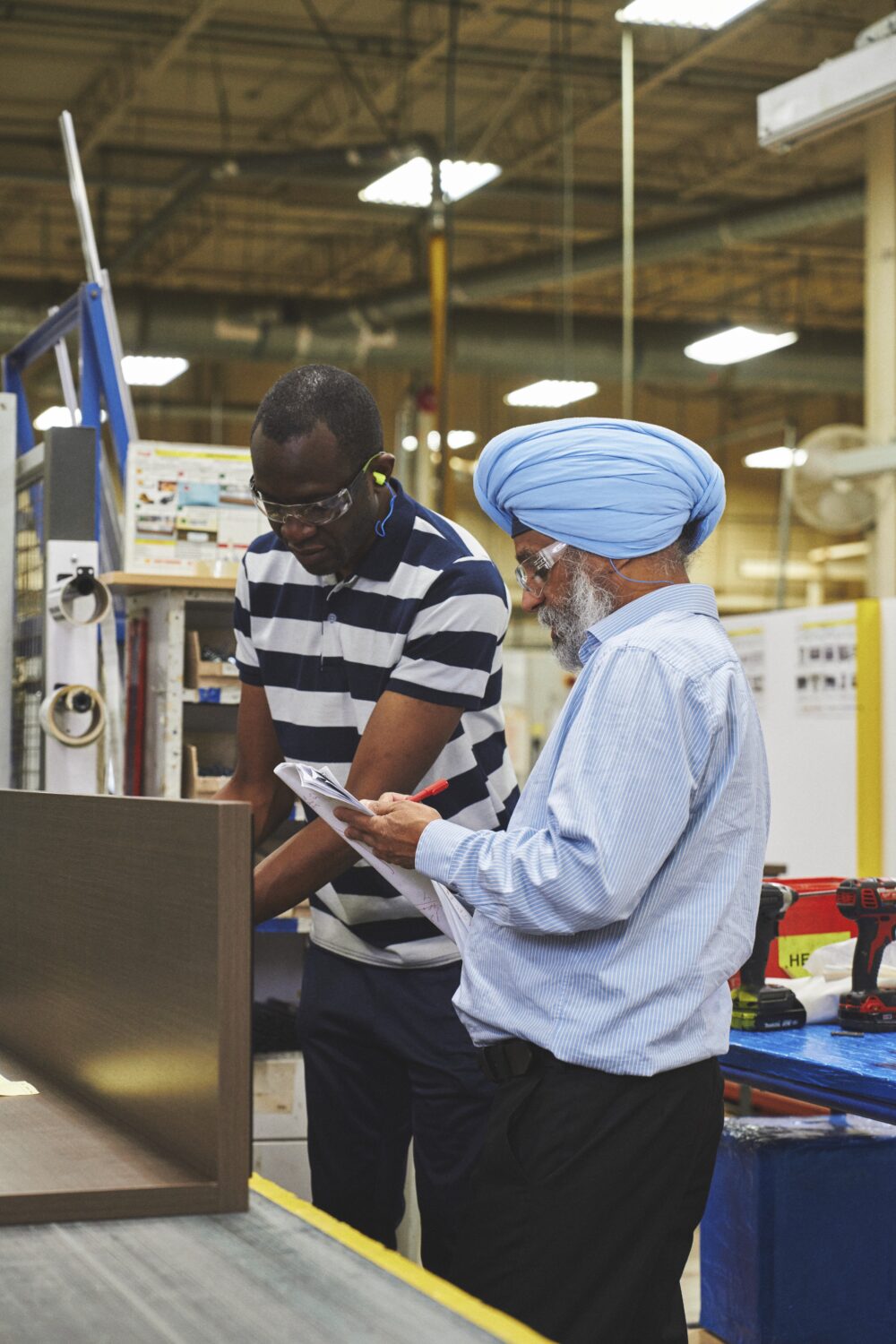
MillerKnoll: Developing Operations Leaders from Within and Beyond — A Case Study in Structured Talent Development

A Typology of State-Supported Work-Connected Learning Programs

The Workforce of the Future Starts with Adult Basic Education

Foundational Skills: Early Insights from Employers and Providers
How Tax Policy Can Help Employers Expand Access to Learning

Adult Working Learners Vote With Their Feet: What Employers Are Learning About Foundational Skills