Aspen is a place for leaders to lift their sights above the possessions which possess them. To confront their own nature as human beings, to regain control over their own humanity by becoming more self-aware, more self-correcting, and hence more self-fulfilling.
On behalf of the Aspen Institute’s Financial Security Program and the Closing the Women’s Wealth Gap initiative, we are pleased to announce the inaugural Reckoning with Women’s Wealth Inequality action forum in Washington, D.C. on November 8, 2018. This first-of-its kind event gathered leaders from the public, private, and independent sectors with the goal of spurring greater attention and leadership commitment to closing the women’s wealth gap. We invite you to watch our nationally live-streamed opening dialogue, where several distinguished national leaders shared ideas and insights on this critical issue.
Featured speakers will include:
Noreen Farrell – Executive Director, Equal Rights Advocates
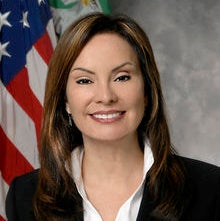
Rosie Gumataotao Rios – 43rd Treasurer of the United States
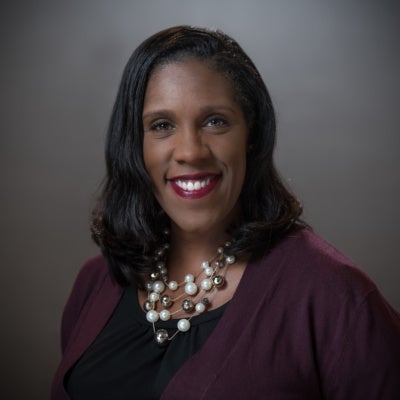
Teresa Younger – President and CEO, Ms. Foundation for Women
Joanna Smith-Ramani – Managing Director, Aspen Financial Security Program (moderator)
Brief welcoming remarks were offered by Ida Rademacher, Vice President, Aspen Institute & Executive Director, Financial Security Program, and Heather McCulloch, Executive Director, Closing the Women’s Wealth Gap.
Please contact Dyvonne Body at [email protected] if you have any questions.
Though Black Americans have experienced greater economic opportunities, many still face wealth loss. This report examines historical events and current trends to develop broad estimates of the amount of Black-owned assets at risk in home equity, retirement savings, and wealth held in businesses they own.
As part of our essential wealth metric project, Aspen FSP has collaborated closely with our partners at Gary Community Ventures to look specifically at the wealth of Coloradans.
This case study from Gary Community Ventures and Aspen FSP explores the design, policy, and financing tools that made the Colorado Tenant Equity Vehicle (TEV) possible.
Aspen FSP Fellow Devin Murphy is committed to growing models of wealth building so that all U.S. families can thrive. Learn more about his work in this Q&A.
Attaining a baseline of security, mobility, and well-being requires wealth. But exactly how much is needed? This brief aims to offer a path toward greater empirical understanding of what constitutes essential wealth and how to measure it.