Aspen is a place for leaders to lift their sights above the possessions which possess them. To confront their own nature as human beings, to regain control over their own humanity by becoming more self-aware, more self-correcting, and hence more self-fulfilling.
In Arizona, a unique partnership between Pima Community College and the Center for the Future of Arizona is investing in leaders of the workforce development system as a key leverage point for change in the system. The Southern Arizona Workforce Leadership Academy brings together workforce practitioners in order to strengthen the leadership pipeline, deepen collaborative relationships locally, and invest in developing professionals who lead our workforce organizations. This conversation with Amanda Abens of Pima Community College and Holly Kurtz and Tennille Penaloza-Hagen of the Center for the Future of Arizona will explore the role of leadership development in the workforce development ecosystem, the challenges of talent development in such an interdisciplinary field, and what this partnership between a community college and a statewide “do-tank” has the potential to accomplish.
To optimize local workforce systems, practitioners must dismantle silos and create coherent systems and services that balance the needs of both workers and businesses. In our Workforce Leadership Café discussion series, we explore how the workforce development field can be more reflective of the change it seeks to cultivate, hosting conversations with leaders who are contributing their talents and insights to this rich field of practice. Guests include sponsors of localWorkforce Leadership Academiesand others who are exploring talent development and job quality in workforce development. Learn more atas.pn/WLAcafe
About the Workforce Leadership Academies
The Aspen Institute’s Workforce Leadership Academies, part of the Economic Opportunities Program, bring together leaders across the many siloed fields of practice, organization types, and government policies that make up the field. The Academies strengthen Fellows’ capacity to develop and sustain effective workforce strategies, collaborate more deeply with employers, and expand the number and quality of leaders who advance opportunities for low-wage workers and job seekers as they meet employers’ talent development needs.
About the Economic Opportunities Program
The Aspen Institute Economic Opportunities Program advances strategies, policies, and ideas to help low- and moderate-income people thrive in a changing economy.
Join Our Mailing List
To receive occasional emails about our work — including new publications, commentary, events, fellowships, and more — join our mailing list.
This report captures the growth and reflections of the teams in Albuquerque, New Mexico, and the Greater Triangle, North Carolina, after their 12-month journey, including their final reflections on strategic leadership, grounded in the lessons learned in the pursuit of building a more equitable and resilient economy.
This brief highlights two WLA communities: Albuquerque, New Mexico, and the Research Triangle region of North Carolina. It is the first in a series; we will revisit these communities in early 2026 to assess their progress and challenges.
This event draws on insights from our Workforce Leadership Academies. For highlights from this discussion, subscribe to EOP’s YouTube channel. Or subscribe to our podcast to listen on the go.
“My passion has always been leadership development. My experience tells me that changes in a system start with leadership, and the workforce development ecosystem is ripe for innovative changes at all levels.”
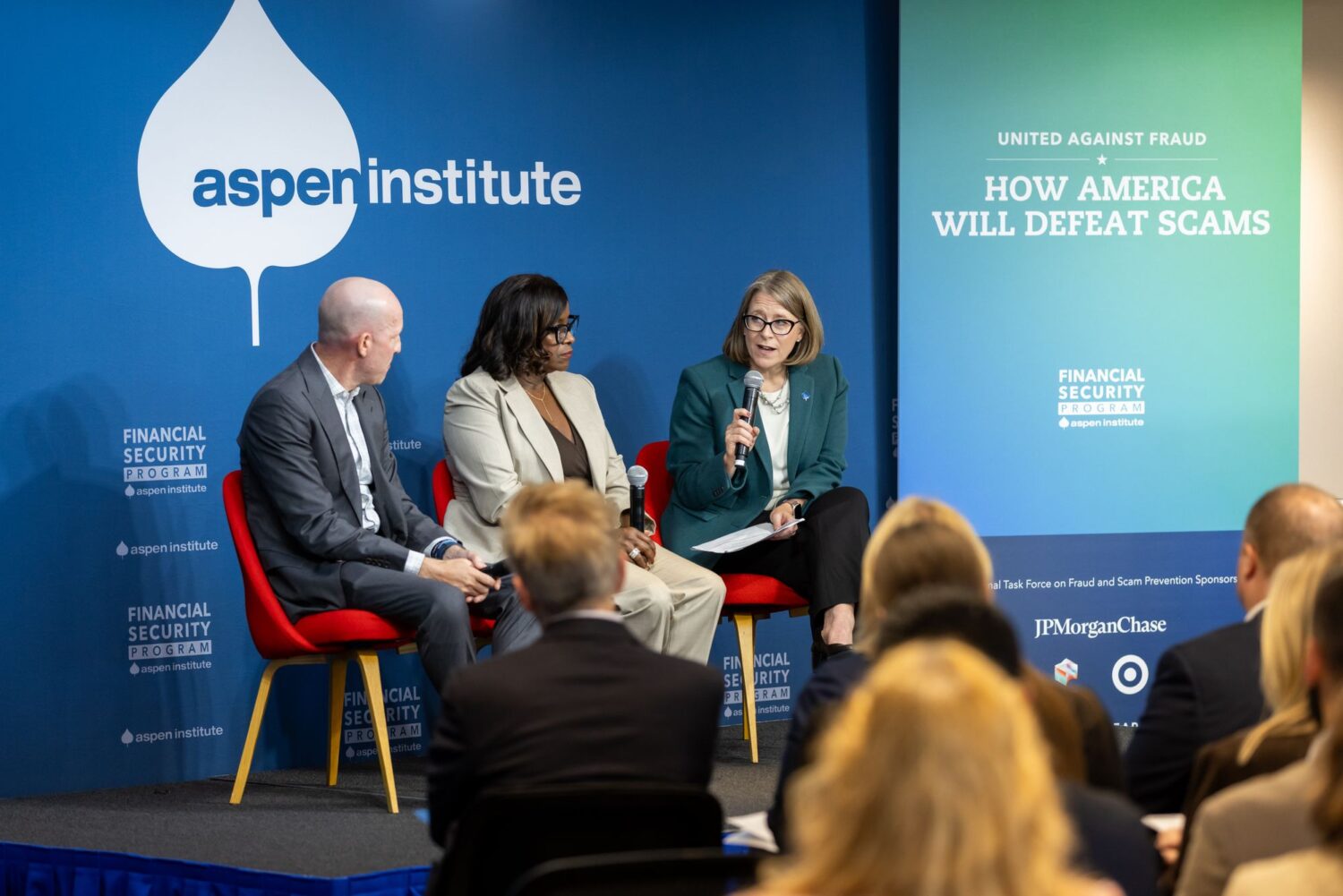
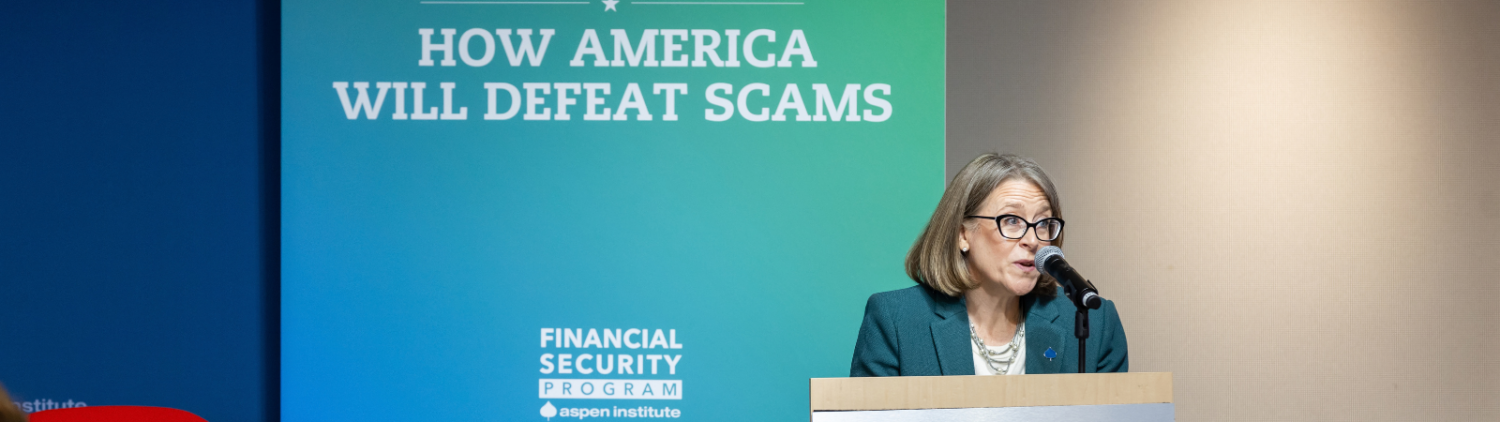
With scams costing U.S. households billions, cross-sector action is critical. Join Aspen FSP on December 2 for the first annual State of Scam Prevention to review recent progress and shape actionable priorities for 2027.
Join the Aspen Institute Economic Opportunities Program’s Business Ownership Initiative on November 10, 2026 from 2:00 p.m. to 3:00 p.m. Eastern for a conversation: “Metrics that Matter: Financial Tools for Evaluating Mergers and Acquisitions”.
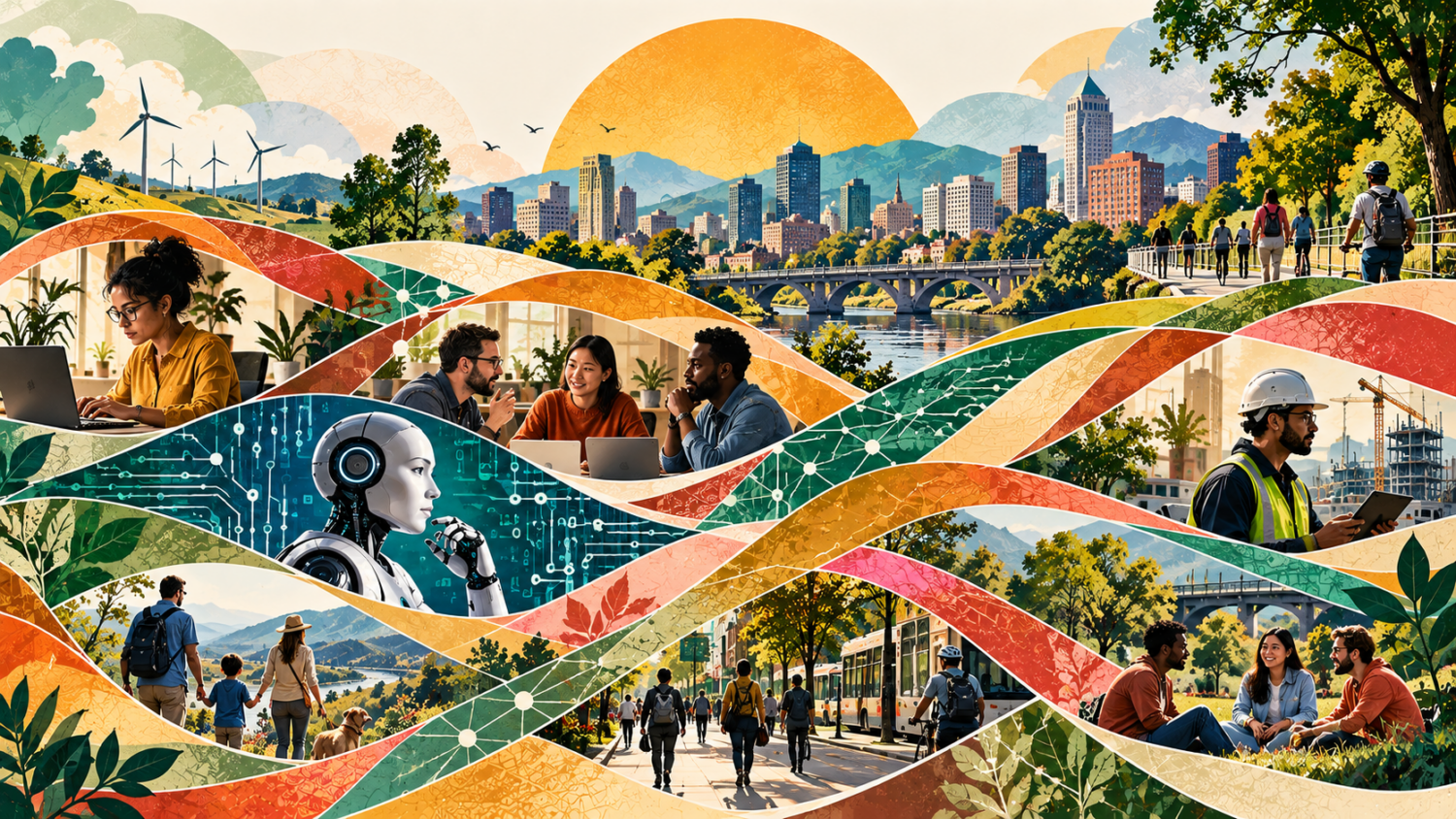
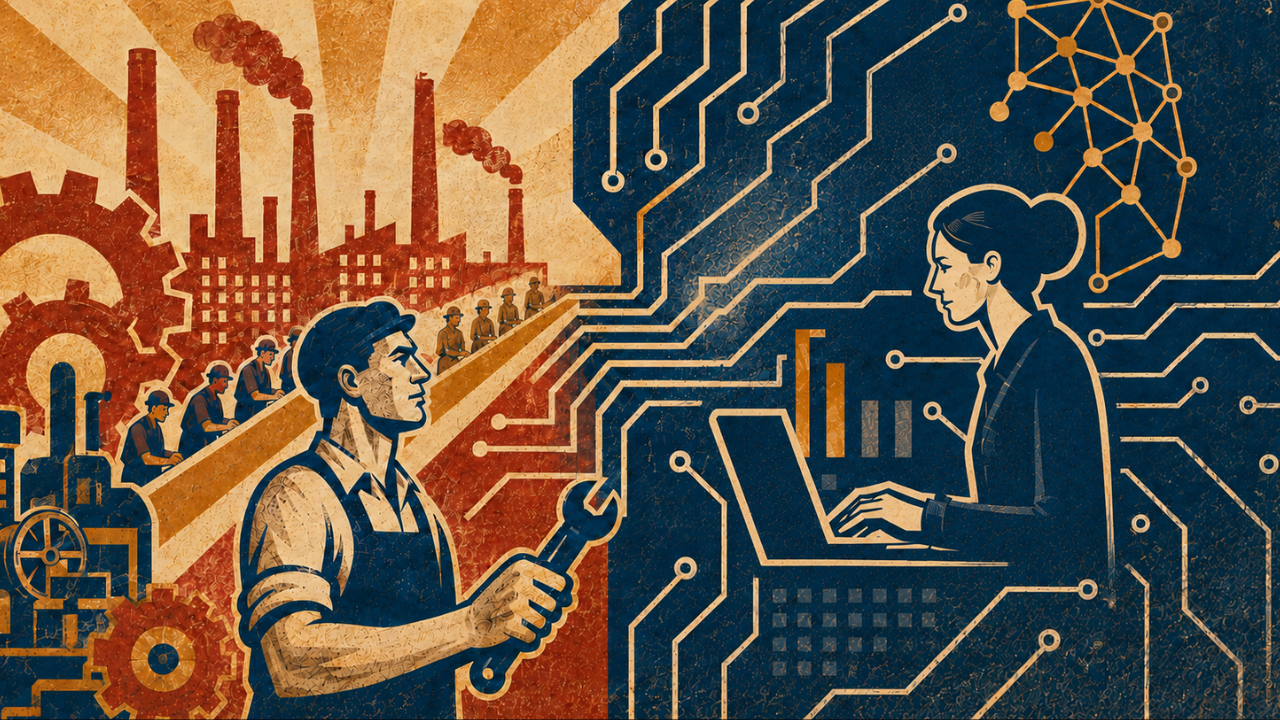
Panelists will explore the dual possibilities of the AI transition, including how automated systems could weaken worker leverage and accelerate displacement, or be harnessed to boost human capability, and more fairly share productivity gains. By grounding the discussion in the realities of today’s workplaces as well as experiments with tomorrow’s innovations, panelists will point us toward the strategic policy, business, and labor interventions required to ensure AI strengthens, rather than dismantles, the social contract.
In her new book, “Gouged: The End of a Fair Price–and What That Means for Your Wallet,” Lindsay Owens, president and CEO of Groundwork Collaborative, a leading economic think tank and corporate watchdog, takes us into the corporate boardrooms where these pricing strategies are engineered. Drawing on corporate financial disclosures, earnings call transcripts, patent filings, and original economic analysis across industries from technology to health insurance, Owens traces the rise of a new approach to pricing designed to capture as much as consumers are willing to spend.
In this virtual Forum, leaders will tackle open questions about the rollout of Trump Accounts and look toward the future of early wealth building policy in the U.S.
The Economic Opportunities Program’s forthcoming report, What Employee Ownership Means to Workers, shares the perspectives and experiences of workers at companies with different forms of employee ownership: ESOPs, EOTs, worker cooperatives, and broad-based equity compensation plans.
Economic security shouldn’t be a lottery. Yet for millions of working families, stagnant wages and precarious jobs collide with the daily grind of managing money on shaky ground — leaving stability feeling less like a plan and more like a gamble.
This session explores how reimagining ownership—from broad-based worker equity to public-interest frameworks—can ensure that the AI-powered economy generates a true “social dividend” rather than a private windfall. This event is part of the 2026 Employee Ownership Ideas Forum, happening June 2-3 in Washington DC and online.