Aspen is a place for leaders to lift their sights above the possessions which possess them. To confront their own nature as human beings, to regain control over their own humanity by becoming more self-aware, more self-correcting, and hence more self-fulfilling.
The Business Ownership Initiative engages in research to build understanding of how business ownership connects to and addresses key elements of economic opportunity. We also use our research and evaluation expertise to help microenterprise and small business development practitioners understand and improve their own practice.
Business ownership is a means for individuals and families to generate income, build wealth, and support the economy and health of their communities. As such, it connects to some of our nation’s critical challenges: a large and growing racial wealth gap; the loss of businesses, jobs, and opportunity in communities affected by economic change; the changing nature of work; and the barriers to economic opportunity faced by women, people of color, individuals with disabilities, those who have been involved with the justice system, and others. Building effective programs and policies requires an understanding of what works best and how changing labor market, financial market, and demographic patterns affect opportunities for business ownership. BOI’s research illuminates these issues for practitioners, funders, and policymakers.
The Aspen Institute Economic Opportunities Program advances strategies, policies, and ideas to help low- and moderate-income people thrive in a changing economy.
Join Our Mailing List
To receive occasional emails about our work — including new publications, commentary, events, fellowships, and more — join our mailing list.
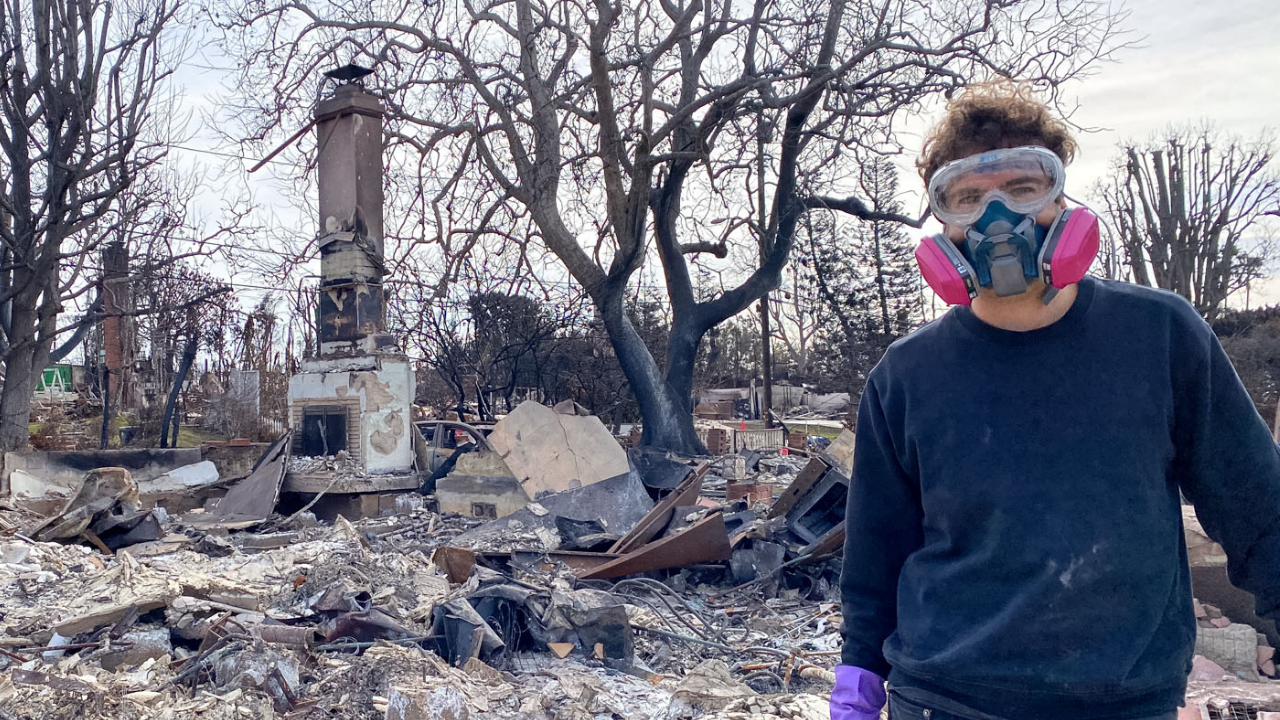
Traditional emergency aid through SBA or FEMA takes time, and lower-income communities often face significant approval hurdles. Speed is essential to business survival.
VIDEO — Highlight reel from “The New Era of Small Business Finance: Access, AI, and Accountability,” a forum hosted by the Aspen Institute’s Business Ownership Initiative and the Responsible Business Lending Coalition on March 5, 2026.
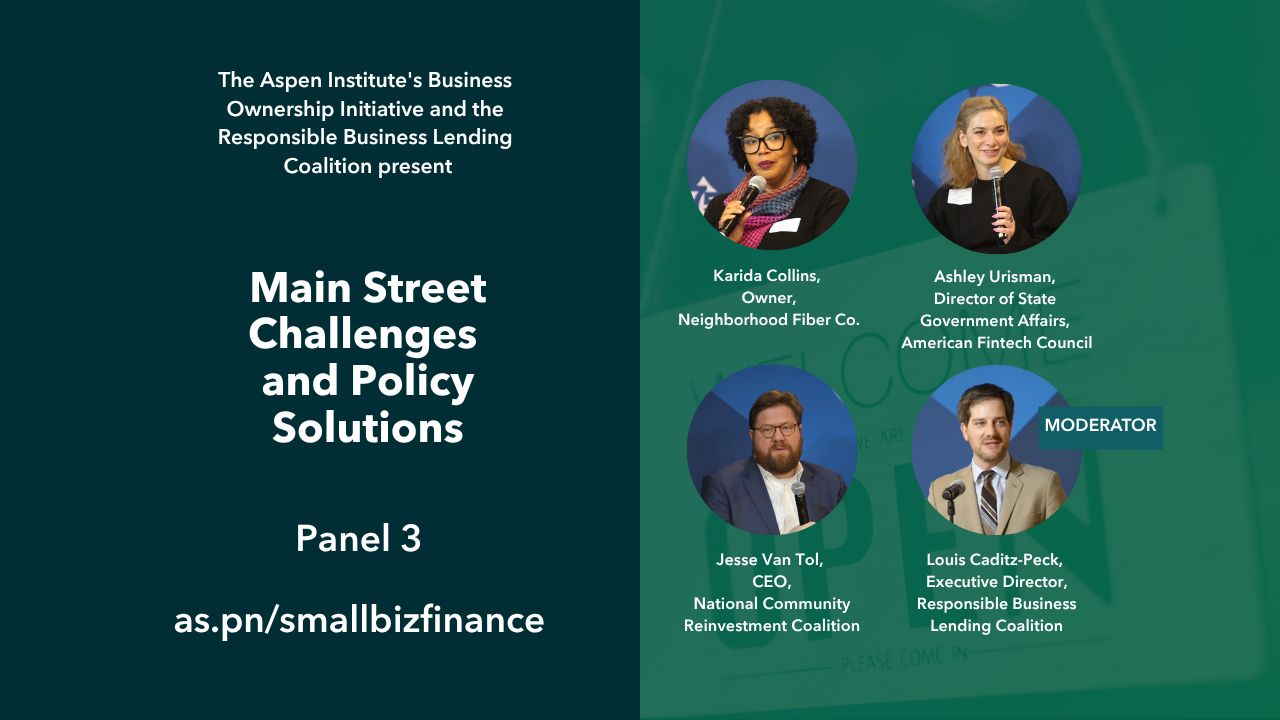
VIDEO — This discussion is the first of three that took place as part of “The New Era of Small Business Finance: Access, AI, and Accountability,” a forum hosted by the Aspen Institute’s Business Ownership Initiative and the Responsible Business Lending Coalition on March 5, 2026.
VIDEO — This discussion is the third of three that took place as part of “The New Era of Small Business Finance: Access, AI, and Accountability,” a forum hosted by the Aspen Institute’s Business Ownership Initiative and the Responsible Business Lending Coalition on March 5, 2026.
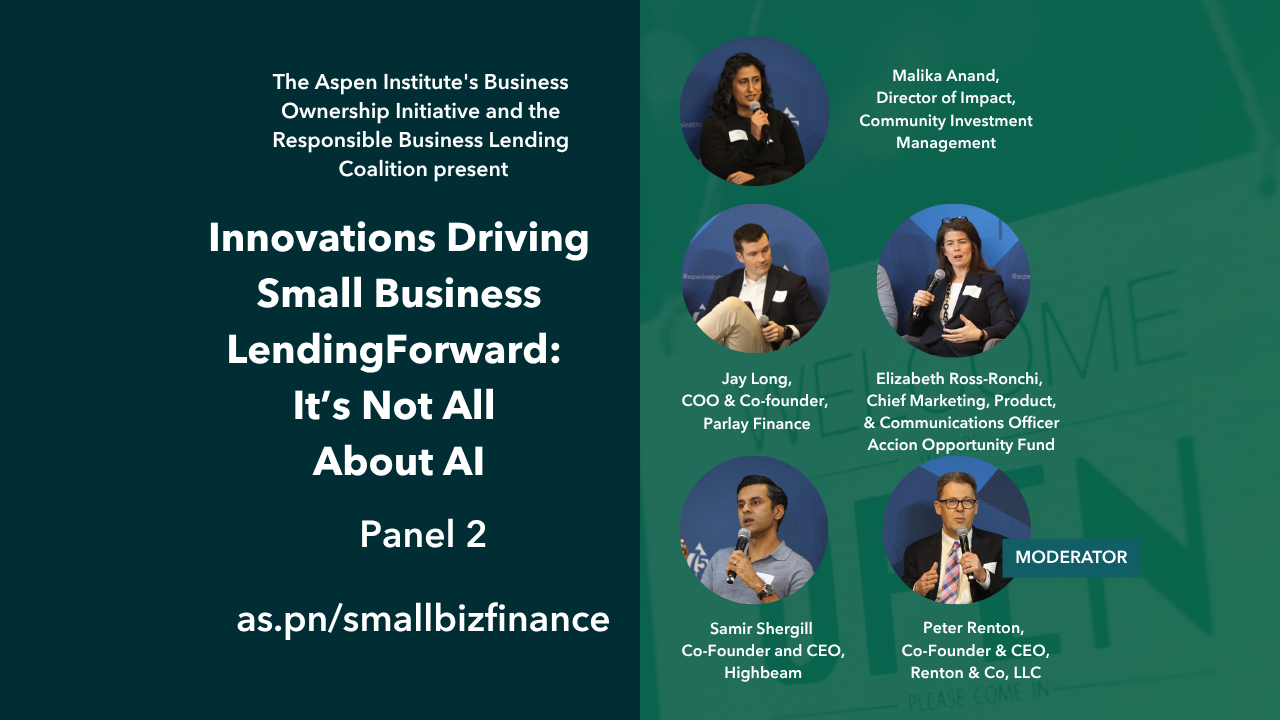
VIDEO — This discussion is the second of three that took place as part of “The New Era of Small Business Finance: Access, AI, and Accountability,” a forum hosted by the Aspen Institute’s Business Ownership Initiative and the Responsible Business Lending Coalition on March 5, 2026.
This Q&A provides insights and lessons from the work of 11 CDFIs that participated in Shared Success, a job quality demonstration led by the Aspen Institute Economic Opportunities Program (EOP).