Aspen is a place for leaders to lift their sights above the possessions which possess them. To confront their own nature as human beings, to regain control over their own humanity by becoming more self-aware, more self-correcting, and hence more self-fulfilling.
A Dangerous Intersection? The Compounding Threats of Income Volatility and Retirement Insecurity
December 17, 2018
Financial Security Program
This brief explores the interaction between two critical financial security challenges, income volatility and lack of retirement preparedness. An emerging body of research indicates that large numbers of American households experience major fluctuations in their incomes, which can limit their ability to cope with financial challenges. Yet little is known about the extent to which income volatility during working years impacts retirement security. This paper summarizes the current literature on the nature of income volatility and the retirement savings crisis, explains what we know about how they interact, and closes by identifying important gaps in our knowledge. Our analysis builds on the work of two Financial Security Program projects, the Expanding Prosperity Impact Collaborative (EPIC), which spent two years studying income volatility, and the Retirement Savings Initiative (RSI), which is dedicated to enabling low- and moderate-income Americans to save more for retirement.
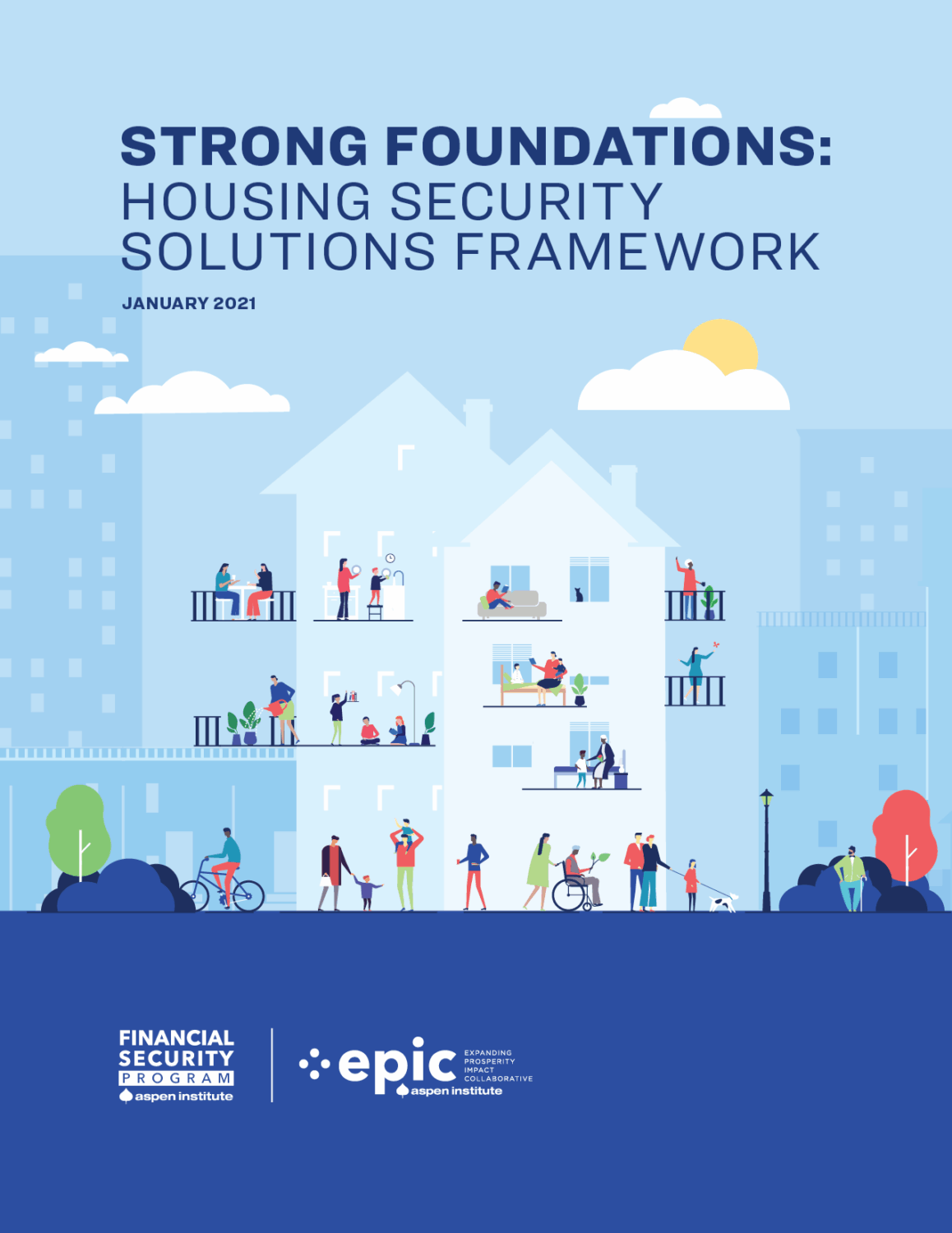
Everyone can do something to expand housing security in their own communities. Find the robust set of solutions for effective, equitable, and sustainable housing in the full solutions framework.
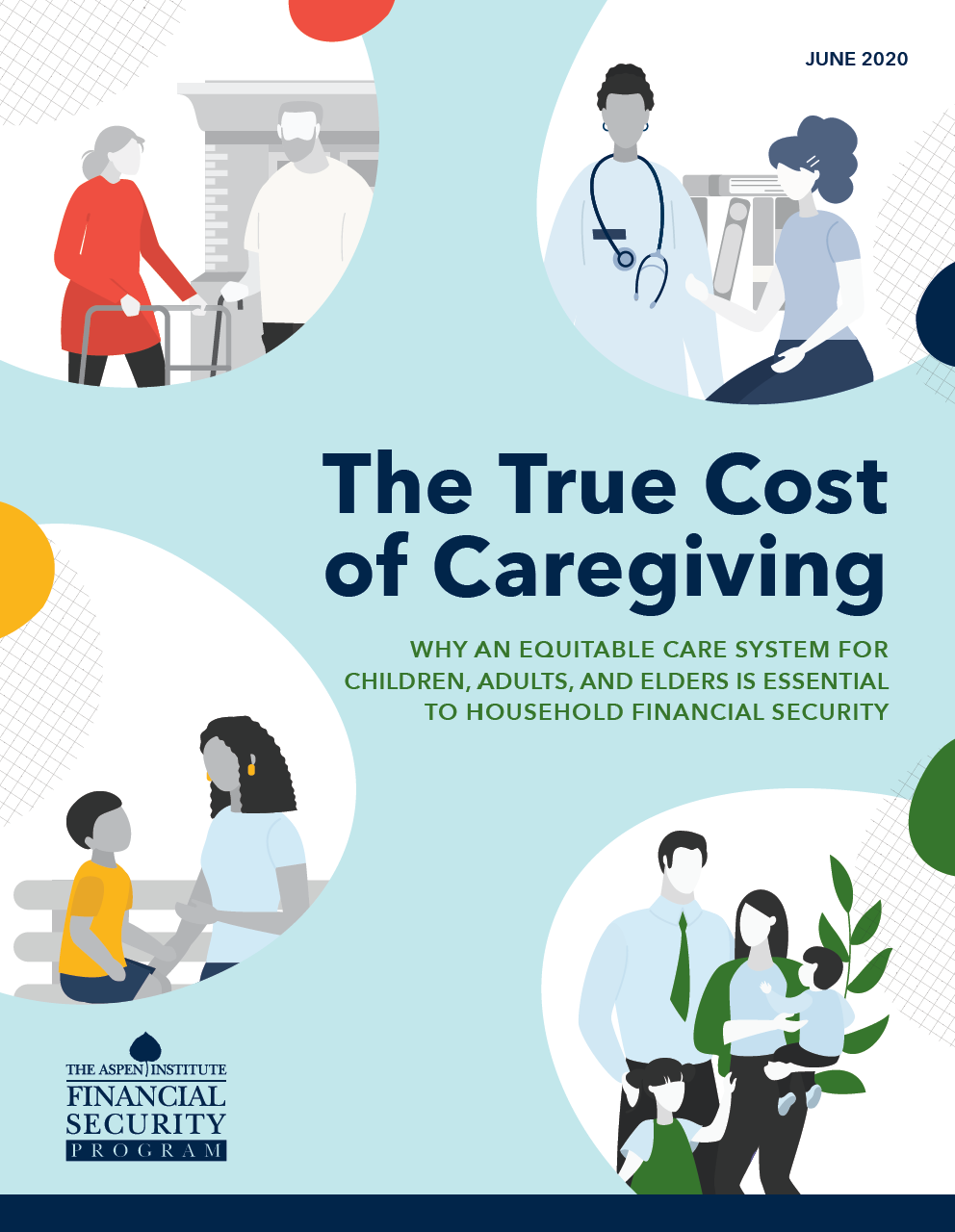
This report illustrates four pillars of care: child care and early education, adult and elder care, family caregiving and self care, and professional caregiving.
This spring, the Expanding Prosperity Impact Collaborative (EPIC), an initiative of the Aspen Institute Financial Security Program, released a study on ways to help those with student loan debt to eliminate some portion of their federal student loans.