Aspen is a place for leaders to lift their sights above the possessions which possess them. To confront their own nature as human beings, to regain control over their own humanity by becoming more self-aware, more self-correcting, and hence more self-fulfilling.
Direct cash payments impact millions of U.S. households, playing a routine role in combating food insecurity, providing income support to retirees or workers unable to work due to a disability, and a time-tested strategy for macroeconomic stabilization during downturns. These critical functions underscore the stakes of Government-to-Payment (G2P) systems to function effectively. Unfortunately, evidence from across programs in government demonstrates that the different payment delivery systems in the U.S., while essentially performing the same task, perform unevenly at best.
The aim of this primer is to provide leaders—especially federal policymakers and program administrators—broadly applicable, actionable insights for improving performance across G2P payment systems. In particular, we find specific impact opportunities for actors across these systems to exercise existing levers to improve performance across three key Performance Indicators:
Reach: The ability of participants to access and receive benefits.
Ease: The level of friction involved in accessing and receiving benefits.
Usefulness: The level of consumer protections and functionality payment products provide.
Download the full report and view the challenges and opportunities within the current G2P systems, featuring two journey maps that break down these processes.
States working with the Aspen Institute Financial Security Program put forward a shared set of “North Stars” that define good public benefits delivery. Amid challenges to our benefits system, these North Stars are more important than ever.
Shared language is a key starting point for organizations looking to adopt person-centered practices. This resource offers a set of common terms to guide how we talk person-centered work.
This resource outlines four phases of person-centered work, illuminating key features of each phase. Designed to be used by a wide range of leaders, this tool can support internal assessment, knowledge building, and strategic planning.
Benefits screeners are a popular tool for increasing benefits access. This report offers a framework for benefits leaders to understand the role screeners play and assess their effectiveness.
Young adults today are coming of age in a volatile economic and political environment. We spoke with 12 young people about how they are navigating the transition to adulthood and what it means for public trust more broadly.
Young adults are grappling with sweeping changes to the U.S. benefits system under OBBBA. This paper illustrates these impacts and offers recommendations that can help young adults.
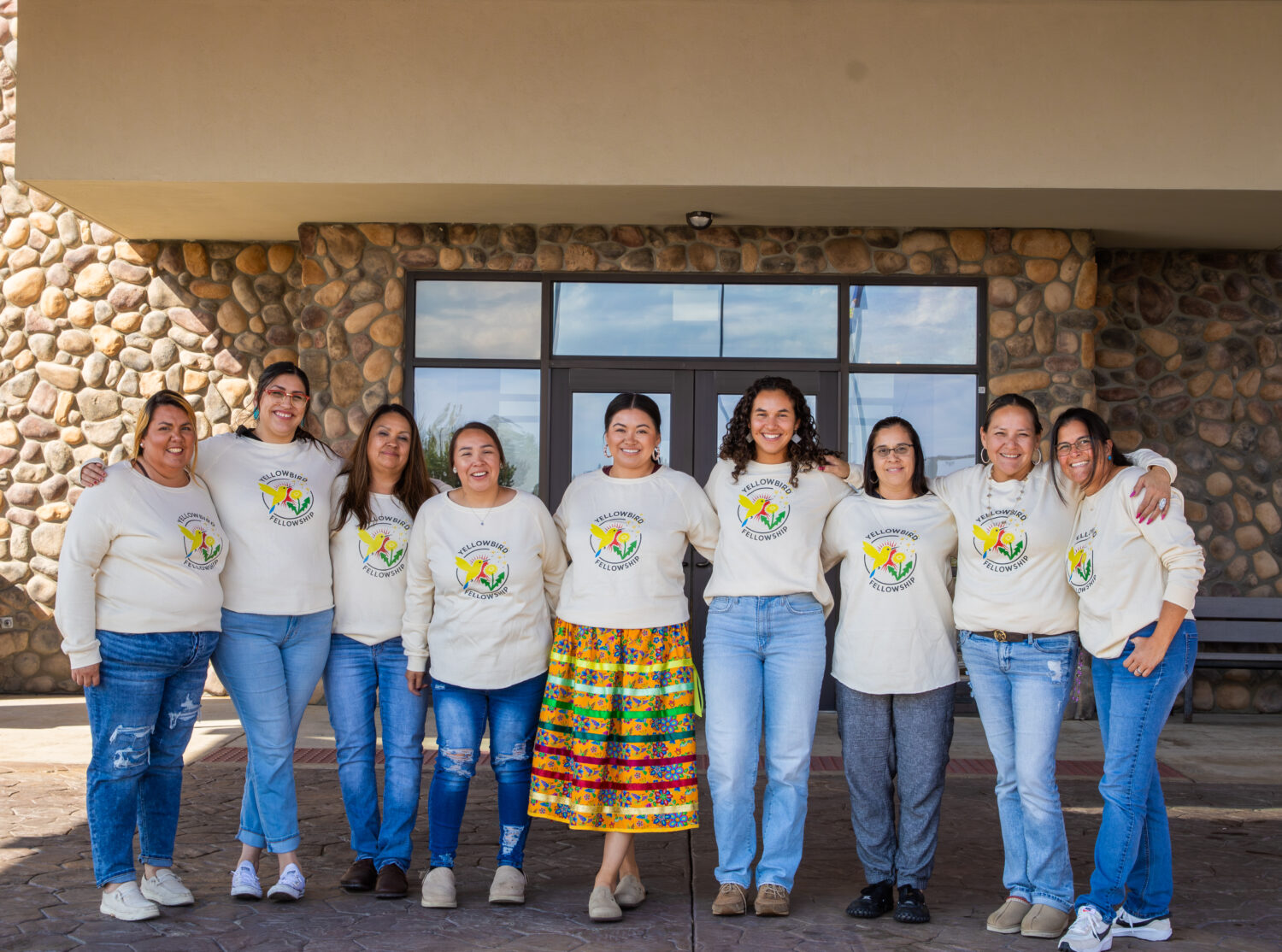
Native CDFIs play a critical role in the financial security of local communities and Native reservations. To learn more, we interviewed the leaders of a financial services training fellowship for Native professionals.
Since 2021, Aspen FSP and our Community Advisory Group have worked to forefront lived experience of financial insecurity across our research and convenings. Learn how in this reflection by Riani Carr.
Mike Wilkening’s work as a public servant has followed a simple philosophy: government in service of its people. In this blog, he shares more about his leadership approach and his position as an Aspen FSP Fellow.