Microfinance Impact Collaborative
MIC is a project to inform, strengthen, and accelerate the efforts of microenterprise finance organizations that are committed to significantly increasing the impact of their work.

The Business Ownership Initiative’s Microfinance Impact Collaborative works to strengthen and accelerate the efforts of US microenterprise finance organizations committed to significantly increasing the scale and impact of their work.
Comprised of six of the largest community microlenders – Allies for Community Business, Ascendus, DreamSpring, Justine PETERSEN, LiftFund, and Accion Opportunity Fund – the collaborative provides its members with a venue and mechanism for collective learning and action.
Since forming in 2015, members of the Microfinance Impact Collaborative — organizations known as community development financial institutions, or CDFIs — have shared innovations and challenges related to growing their microenterprise finance work, focusing on topics including underwriting, capitalization strategies, nonbank alternative lenders, the changing market context, the role of technology, and building the organizational capacity to innovate and grow. BOI and the collaborative members have shared the lessons from their work through publications and events, including those listed below.
In 2020, the work of the collaborative resulted in the creation of Scale Link, a new nonprofit working to build a secondary market for CDFI microloans.

From Crisis to Continuity: Optimizing CDFI Capital and Partnerships for Natural Disaster Response

To Help Small Businesses Recover From the L.A. Fires, Invest in Community Lenders





Two New BOI Resources on Scaling Lending to Entrepreneurs of Color
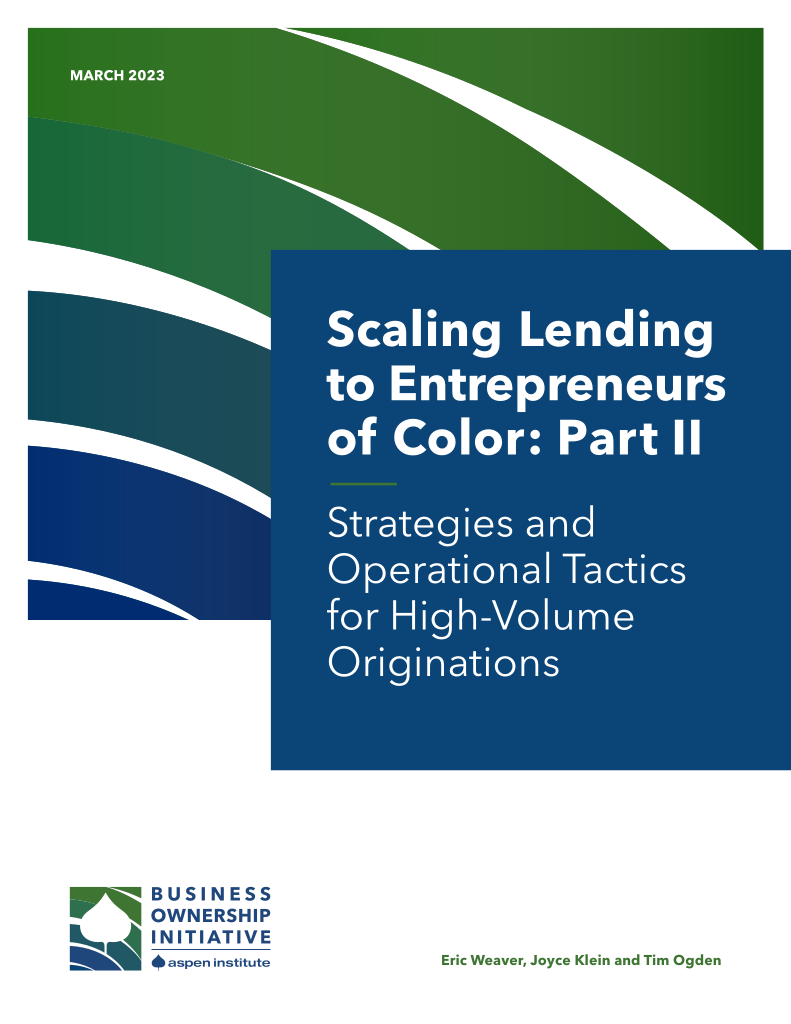
Scaling Lending to Entrepreneurs of Color: Part II – Strategies and Operational Tactics for High-Volume Originations
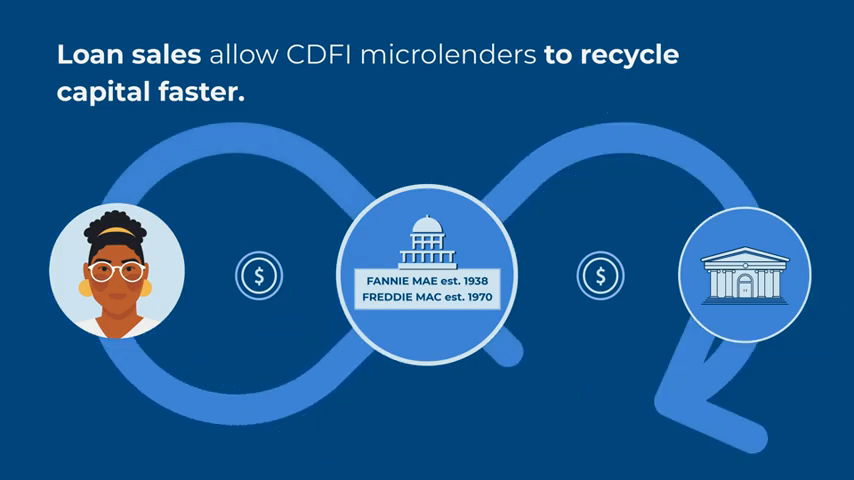
How Loans Sales Can Boost Lending to Low-Income Communities (Video)

Getting Capital to Small Businesses in Low-Income Communities (Video)

Scaling Lending to Entrepreneurs of Color: Part I – Core Operational Challenges

Addressing the Capitalization and Financial Constraints of CDFI Microlenders

Building an Inclusive Economy Through Community-Based Financial Institutions: A Conversation with Joyce Klein and Janie Barrera
EBA Fund, Converting the Promise of Entrepreneurship into Assets That Build Economic Inclusion and Equity

A New Tool to Address the Racial Wealth Gap
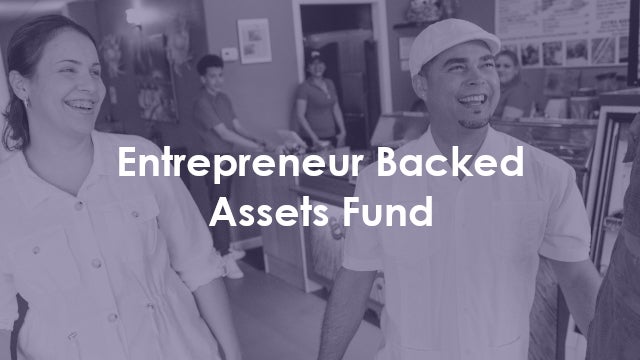
New Fund Will Expand Access to Capital for Small Businesses Owned by Entrepreneurs of Color


About the Business Ownership Initiative
The Business Ownership Initiative, an initiative of the Economic Opportunities Program, works to build understanding and strengthen the role of business ownership as an economic opportunity strategy.
About the Economic Opportunities Program
The Aspen Institute Economic Opportunities Program advances strategies, policies, and ideas to help low- and moderate-income people thrive in a changing economy.
Join Our Mailing List
To receive occasional emails about our work — including new publications, commentary, events, fellowships, and more — join our mailing list.
Connect on Social Media
For news and updates every day, connect with us on the social media platform of your choice.

Metrics that Matter: Improving Financial Analysis of CDFI Small Business Lenders
From Crisis to Continuity: Optimizing CDFI Capital and Partnerships for Natural Disaster Response
The New Era of Small Business Finance: Access, AI, and Accountability (Highlight reel)

The Changing Role of Small Business Ownership

Main Street Challenges and Policy Solutions

Innovations Driving Small Business Lending Forward: It’s Not All About AI
To Help Small Businesses Recover From the L.A. Fires, Invest in Community Lenders