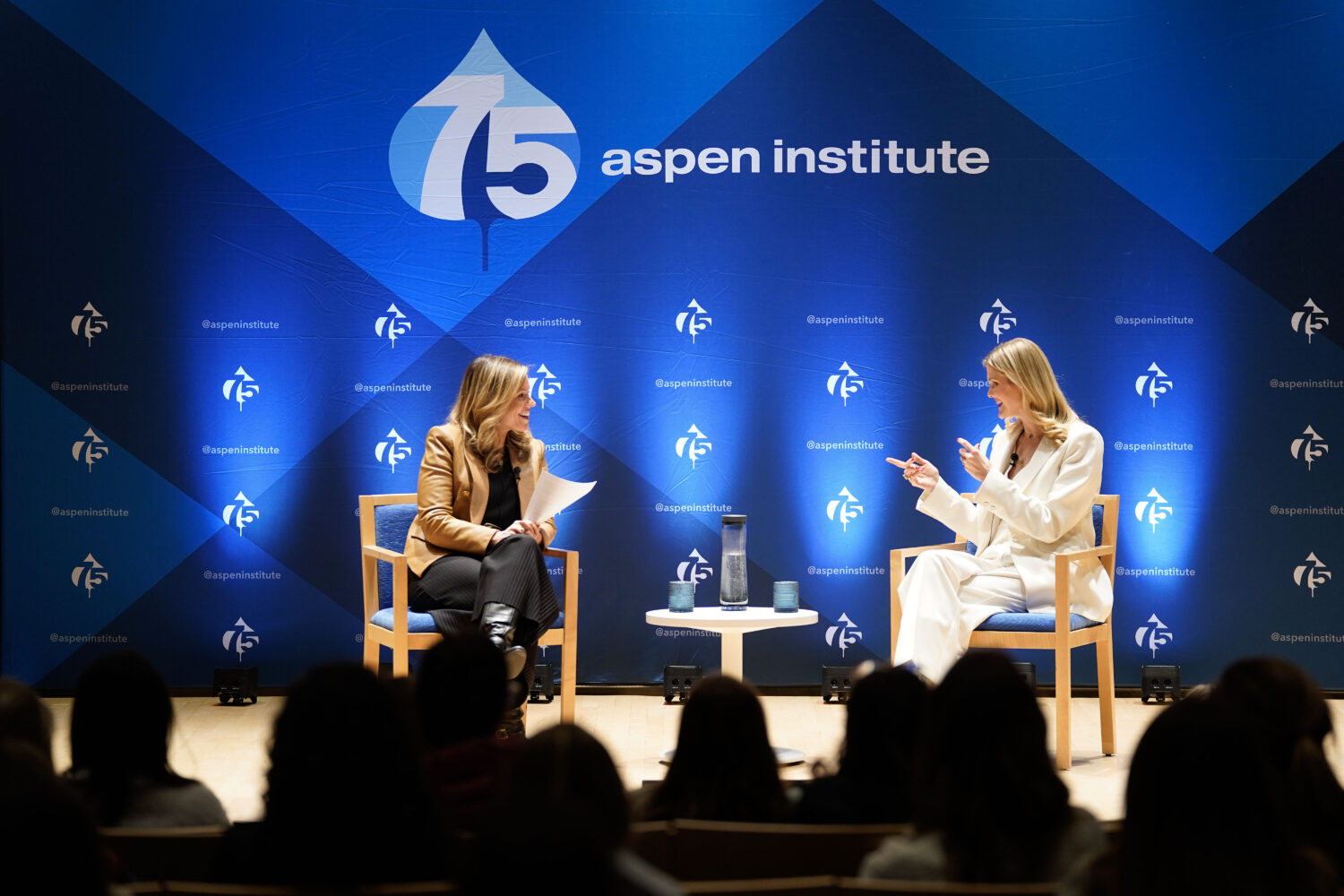
Chief Operating Officer, PHI
knows the struggles that home care workers face; she was one. Her experience inspired her to explore the role of work in people’s lives as a source of dignity, meaning, and power and to work to improve job quality for home health aides, personal care aides, and certified nursing assistants. More than 4 million individuals in America work in these positions, making them one of the largest and fastest growing occupational groups in the country today.
Drake is the chief operating officer of PHI, a nonprofit that advances quality care for older adults and people with disabilities by improving job quality for the workers who provide that care. PHI’s approach to job quality emphasizes the dignity of caregiving and its value to families, clients, and communities. Drake’s work supports a range of job quality interventions, including training for supervisors and frontline workers, partnerships with long-term care providers, policy research, and advocacy.
Despite growing demand for direct care services, workers in the sector face particular challenges related to job quality. “Caregiving has been historically undervalued in the formal economy and is still regarded as low-skill work,” says Drake. “This is a narrative that has its roots in persistent gender and racial biases.” Given these factors, caregivers often confront low wages and limited hours, as well as insufficient training and work environments that can be isolated from peer networks and support.
PHI advocates for better training, wages, and benefits for these positions and works directly with caregivers through initiatives to build their knowledge and skills. The organization partners with employers, working with them to invest in strategies that improve worker recruitment, retention, and performance such as improved compensation, job supports, and professional development opportunities. PHI also engages providers to assess their strengths and weaknesses and offer specific trainings ranging from leadership skills to problem-solving and communication.
The PHI Coaching Approach
A supportive workplace culture is an important element of job quality and helps drive worker retention. At PHI, staff created a set of curricula to support effective and respectful communication — a central component of workplace culture — within organizations that provide long-term care. Through PHI Coaching Supervision, supervisors learn to develop relationships with frontline caregivers and to support their professional growth while respectfully addressing workplace conflicts. PHI finds that supervisors who use the approach have fewer disciplinary actions and lower employee turnover, contributing to better quality care for clients.
During her tenure at PHI, Drake spearheaded the creation of a career ladder for home care workers that has shown benefits for both caregivers and clients. During a demonstration project, a cohort of experienced home health aides received training in advanced caregiving skills. These workers then took on senior aide roles on client care teams and received salaries representing a 60% boost in wages. Senior aides visited clients’ homes, where they coached entry-level aides in key skills, including recognizing changes in client conditions and reporting on clients’ health and wellbeing, supporting aides to provide valuable information that care teams can use to inform care decisions.
The results from the demonstration showed a decline in the rate of client emergency room visits, helping to reduce health care costs. Workers also benefited, with job satisfaction levels increasing for entry-level caregivers, who felt supported by senior aides and valued in decisions about their clients’ care.
The project shows potential for maximizing home care workers’ roles to improve job quality and strengthen care. “Our findings show that there are opportunities to give paid caregivers more responsibilities in ways that elevate the profession and make a difference in health and wellbeing outcomes for clients,” says Drake.
Share
TweetAngelina Drake knows the struggles that home care workers face; she was one. Now she’s fighting to raise #jobquality in this large and growing industry.TweetDespite growing demand, care workers face harsh challenges, including low wages, limited hours, insufficient training, and isolated work environments. #JobQuality Fellow Angelina Drake (@PHInational) is trying to change this.Tweet“There are opportunities to give paid caregivers more responsibilities in ways that elevate the profession and make a difference in health and wellbeing outcomes for clients.”Tweet.@PHInational’s approach to #jobquality emphasizes the dignity of caregiving and its value to families, clients, and communities. Angelina Drake supports a range of interventions, including training, partnerships, research, and advocacy.TweetOur economy needs more quality jobs. Learn how leaders like Angelina Drake of @PHInational are innovating to boost opportunity in communities across the country.
Learn more
is a member of the Job Quality Fellowship, Class of 2018-19. The Job Quality Fellowship is a project of the Aspen Institute Economic Opportunities Program.
Learn how the Economic Opportunities Program is helping low- and moderate-income Americans connect to and thrive in a changing economy. Follow us on social media and join our mailing list to stay up-to-date on publications, blog posts, and other announcements.