
Editor’s Letter Winter Issue 2019-2020

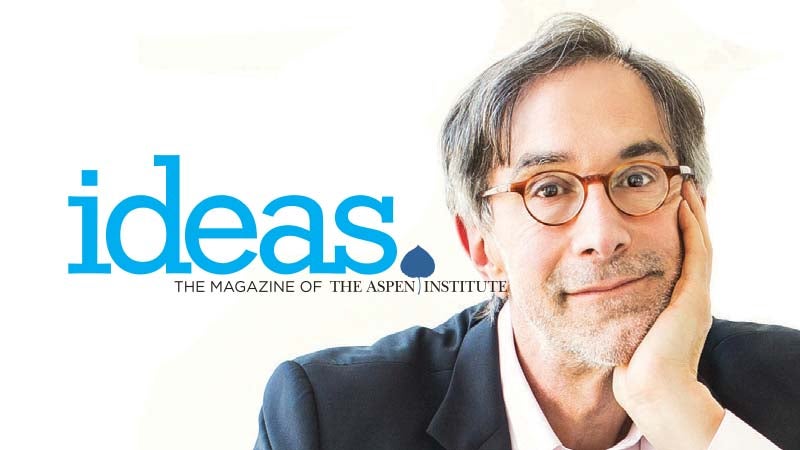
Corby Kummer

Executive Director

“May I write for your magazine?”

Edmund de Waal was sitting on a bench overlooking sculptor Andy Goldsworthy’s Stone River, one of the earthworks that make the Aspen Institute campus the “total work of art” Herbert Bayer intended it to be.

I was glad we were sitting down. It was an extraordinary request.

De Waal is of course the author of The Hare With Amber Eyes, the international best-seller about artistry and exile—themes that recur in his work as a ceramicist and the subject of his marvelously soulful talks as one of two Harman/Eisner Artists in Residence Program at the Institute. The program began in 2007 with Sidney Harman’s vision, as both Jane Harman and Michael Eisner, the enthusiastic champions of the series, frequently emphasize, of bringing the arts into every Institute conversation. It’s a goal Erika Mallin enthusiastically pursues in her leadership of the Institute’s Arts Program.

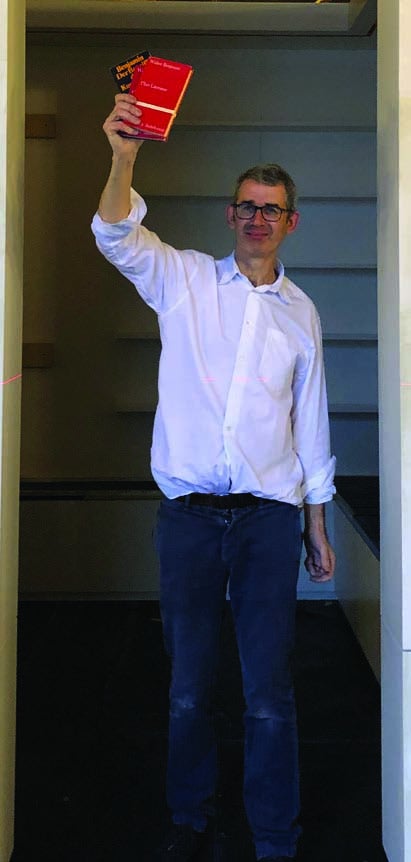
Crossing disciplines and issues both current and timeless have been hallmarks of resident artists, who participate in panels and forums throughout the year. This year iconic performer Rita Moreno told Eisner stories of fighting racial casting barriers and enduring the sexual rights Hollywood producers casually assumed were theirs, the anger, shame, and defiance fresh in her voice. And de Waal talked about his “library in exile”—a traveling installation of one freestanding room filled with shelves of his ceramics and 2,000 books by exiled writers that visitors are encouraged to read and even write in. On the room’s exterior walls, de Waal inscribed the names of lost libraries in liquid porcelain over sheets of gold. The very places the exhibition travels denote exile: Venice, in the heart of the first ghetto; Dresden, whose library was destroyed by World War II bombing; the British Museum, where de Waal’s own family lived, and lives, in exile.

The article he gave us—a meditation on creating art, and what thinking about it around the Aspen campus meant to him—is, unsurprisingly, extraordinary. And it is one more reminder of the force of thought, morals, and art that converge only at the Institute.

—Corby Kummer

Longform Publications Section 4: Strengthening Practices to Improve Job Quality

Tools: Employee Ownership

View tools and resources related to employee ownership.

Blog Posts Job Quality Fellows Profile Series Longform

Centering Workers in Workforce Development

The Chicagoland Workforce Funder Alliance collaborates with employers and stakeholders to boost employment, earnings, and equity for local workers.

Blog Posts Job Quality Fellows Profile Series Longform

Lessons and Leadership To Foster Economic Justice for Illinois Workers

LEP trains workers to promote equity, enforce rights, build unions, develop leaders, ensure workplace safety, and advance economic justice.

Blog Posts Job Quality Fellows Profile Series Longform

Worker Owned and Worker Driven

While the rideshare apps have increased convenience, they’ve eroded job quality. See how the Drivers’ Cooperative is helping to end exploitative conditions.

Blog Posts Job Quality Fellows Profile Series Longform

Creating Employee-Owned Businesses That Provide Good Jobs and Succeed

Through employee ownership, The Industrial Commons is building a new Southern working class that erases the inequities of generational poverty.

Blog Posts Job Quality Fellows Profile Series Longform

Strengthening the Hidden Resilience Workforce

We see the effects of climate change, but we rarely see the people who help to rebuild — and they often lack safe conditions, decent pay, or benefits.

Blog Posts Job Quality Fellows Profile Series Longform

Advancing a Pro-Worker, Pro-Climate Agenda in Texas

The Texas Climate Jobs Project advances a pro-worker, pro-climate agenda — helping to solve the climate crisis while creating millions of good jobs.

Blog Posts Job Quality Fellows Profile Series Longform

Organizing and Coalition Building for Structural Change

LAANE, led by Job Quality Fellow Roxana Tynan, is fighting to build an economy rooted in good jobs, thriving communities, and a healthy environment.

Blog Posts Job Quality Fellows Profile Series Longform

Organizing Unemployed and Underemployed Workers

UWU, led by Job Quality Fellow Neidi Dominguez, engages unemployed/underemployed workers, a population that has not been mobilized at scale since the 1930s.

Blog Posts Longform

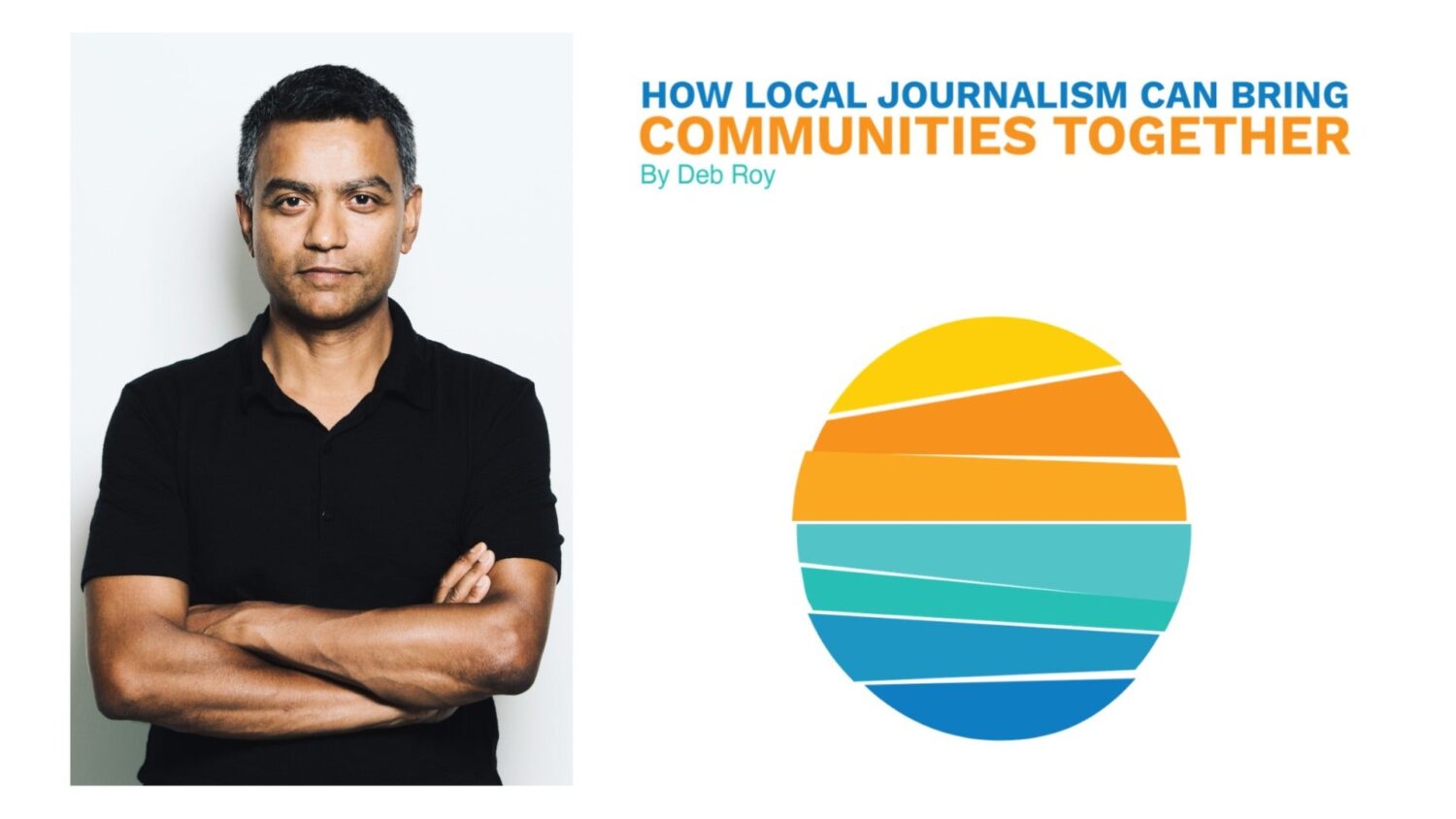
How Local Journalism Can Bring Communities Together

MIT Center for Constructive Communication Director Deb Roy explains how the caricatures Republicans and Democrats paint of each other diverge from reality, and the ways local newsrooms can leverage their “trust capital” and emerging technology to promote listening and understanding amid disagreement.