A Maryland museum director gave her beautiful building to the community
Subscribe to Weave’s Newsletter
This story was originally published on Weave’s newsletter. Every week, you’ll get resources on how to weave our communities and restore social trust.
It’s not very quiet in the Sandy Spring Museum in Montgomery County, MD. While you might turn to look at the art on the walls, you’ll more likely notice the banjo and fiddle music coming from a community Bluegrass Jam Session happening in the Willow Grove Cultural Commons. Further down, you can watch the resident artists in their studios painting, weaving, or sculpting. If you come another day, you might see neighbors connecting over an Ink Painting Workshop in the Exhibit Hall, an Arabic music performance in the Bird Room, or a Daf Drum Circle in the Gallery.
The museum is a kind of “cultural farmers market,” says executive director Allison Weiss. “You feel comfortable walking into the space. You know that when you come, you’re going to see people you recognize and you’re going to meet new people.”
It wasn’t always this way. Sandy Spring Museum had an award-winning building, but people didn’t come to the events and exhibits. When Weiss took over in 2012, she got an institution with little community relevance and nearly no engagement. She set out to change that.
Montgomery County, MD, is one of the most diverse counties in the nation, but there are few places where folks from different cultures can connect with each other. So Weiss took advantage of that and put the word out: Come host your programs here.
Soon, the space was full of community-led events. “If we come up with an idea and we put on a program, we’re never sure if anybody’s going to show up,” Weiss says. “But if the community comes up with the idea and they put on a program, they will make sure the community shows up.”
They give priority to projects that foster relationships, says Weiss. One was called The Big Weave. The artist installed eight gigantic floor-to-ceiling looms and supplied fabric. Neighbors were invited to contribute other textiles and they brought ties, scarves, lanyards, lockets — whatever they could think of. “It was really something — literally people weaving the community together,” Weiss says.
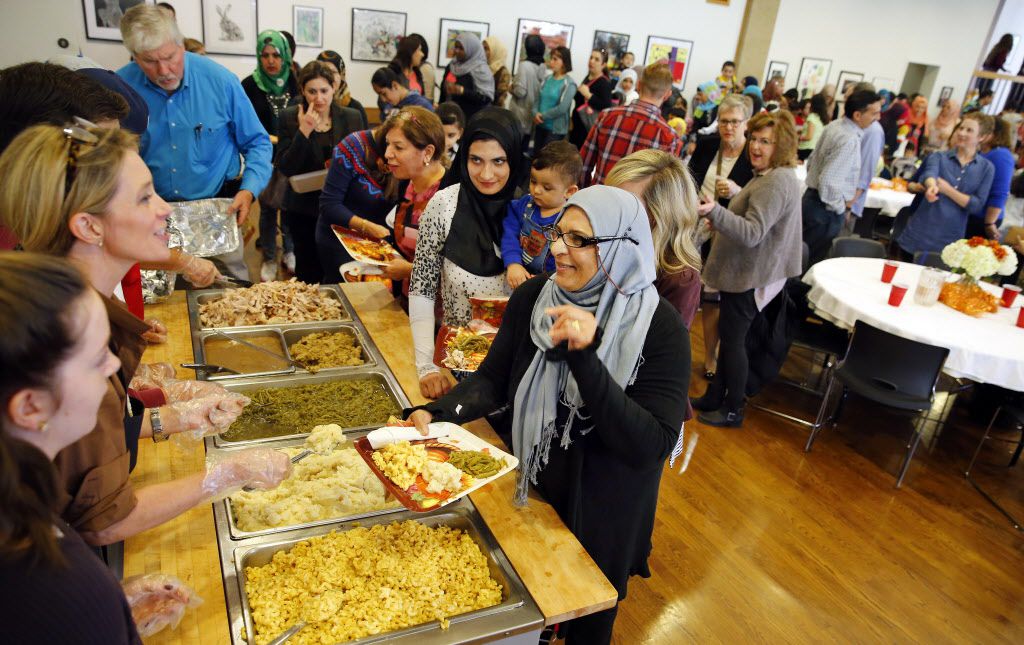
At the museum’s Thanksgiving for All, people from many backgrounds came together to welcome refugees that had more recently come to the county and share food and stories. Afterward, folks learned how they could open up their homes for short-term housing to the refugees they had met.
An annual program called Understanding Islam has helped build relationships between families of different faiths. When the museum hosted an Iftar this year, the meal that takes place after sundown during the Muslim observance of Ramadan, it turned into a community-wide event attended mostly by non-Muslims.
Weiss sees the museum as more than a cultural institution, it’s where friendships blossom, and understanding and mutual trust can thrive. “It’s a beautiful space where people can meet and speak across differences in culture and experience,” she says.
Do you have a third space in your community that you love? Share with us in the Weaving Us community. I’ll be sharing about my neighborhood’s Barbara Bond Learning Center, a house we rent where we host community events and mentorship classes for children and youth.
Economic Opportunity is a Human Challenge, Even in the Age of AI
<strong><strong>In rural Missouri, a student-run coffee shop brews belonging across generations</strong></strong>
The Solutions Bringing Us Closer to a Whole-of-Ecosystem Response to Scams
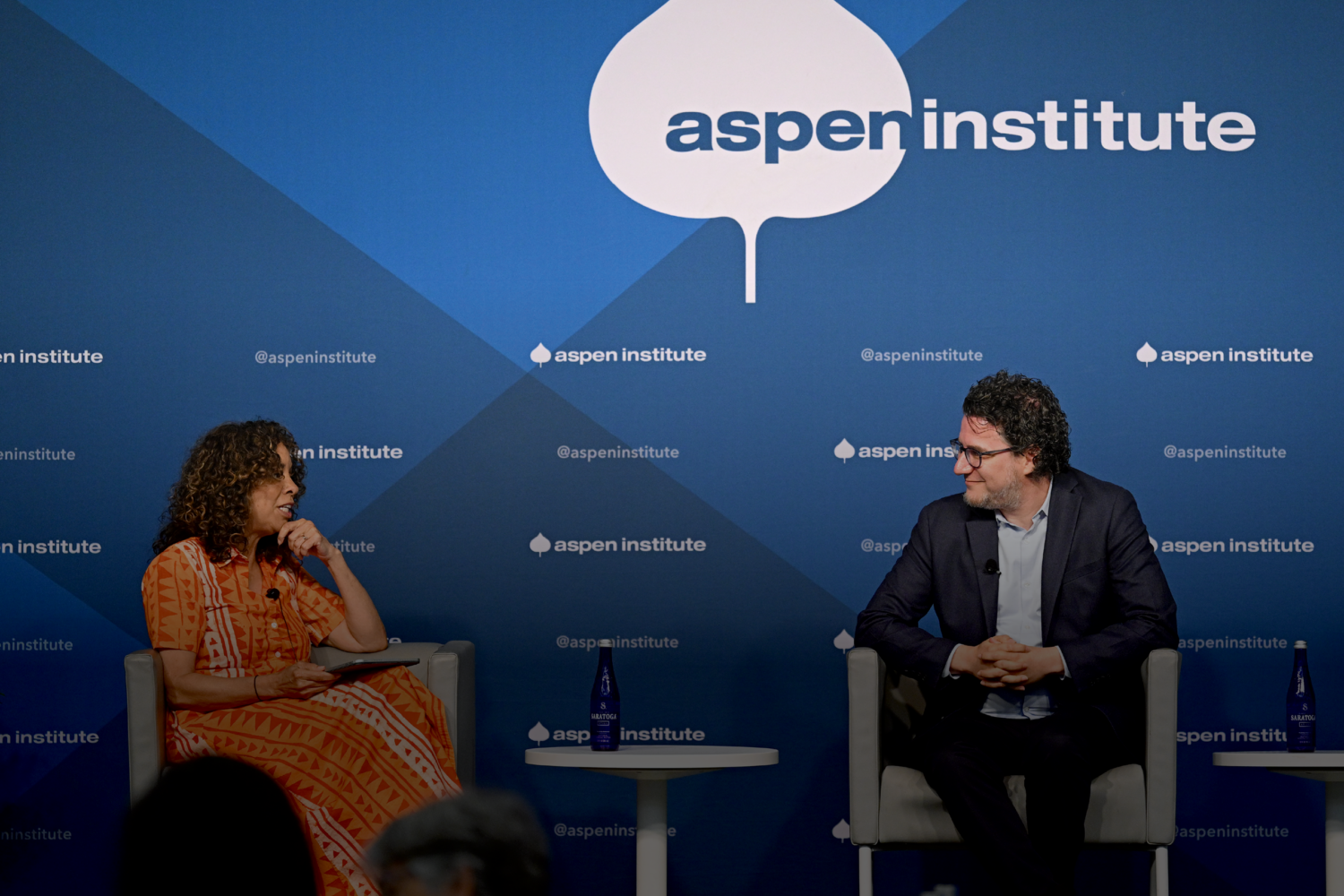
Design of Business Takes on Radical Collaboration, Recorded Live in Aspen: A Guide to the DB|BD Season
What Are You Teaching Me Today?
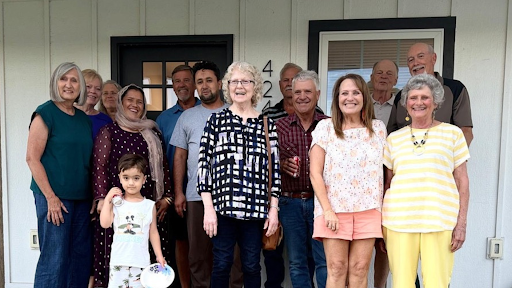
Helping Afghan women gain freedom in Arkansas