Aspen is a place for leaders to lift their sights above the possessions which possess them. To confront their own nature as human beings, to regain control over their own humanity by becoming more self-aware, more self-correcting, and hence more self-fulfilling.
Walter P. Paepcke, Aspen Institute Co-Founder
Aspen Institute
Blog Posts
Embracing Disagreements as a Tool for Deeper Understanding
Reflection from the Socrates Students & Young Professionals Seminar
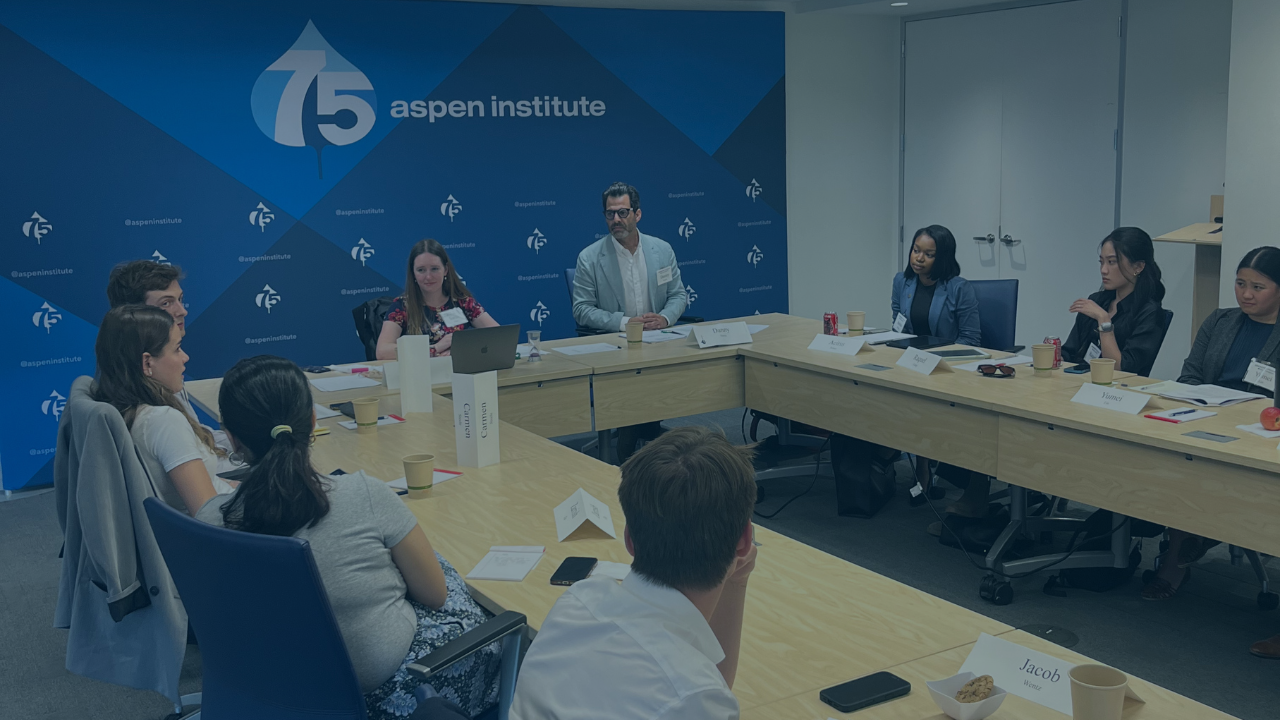
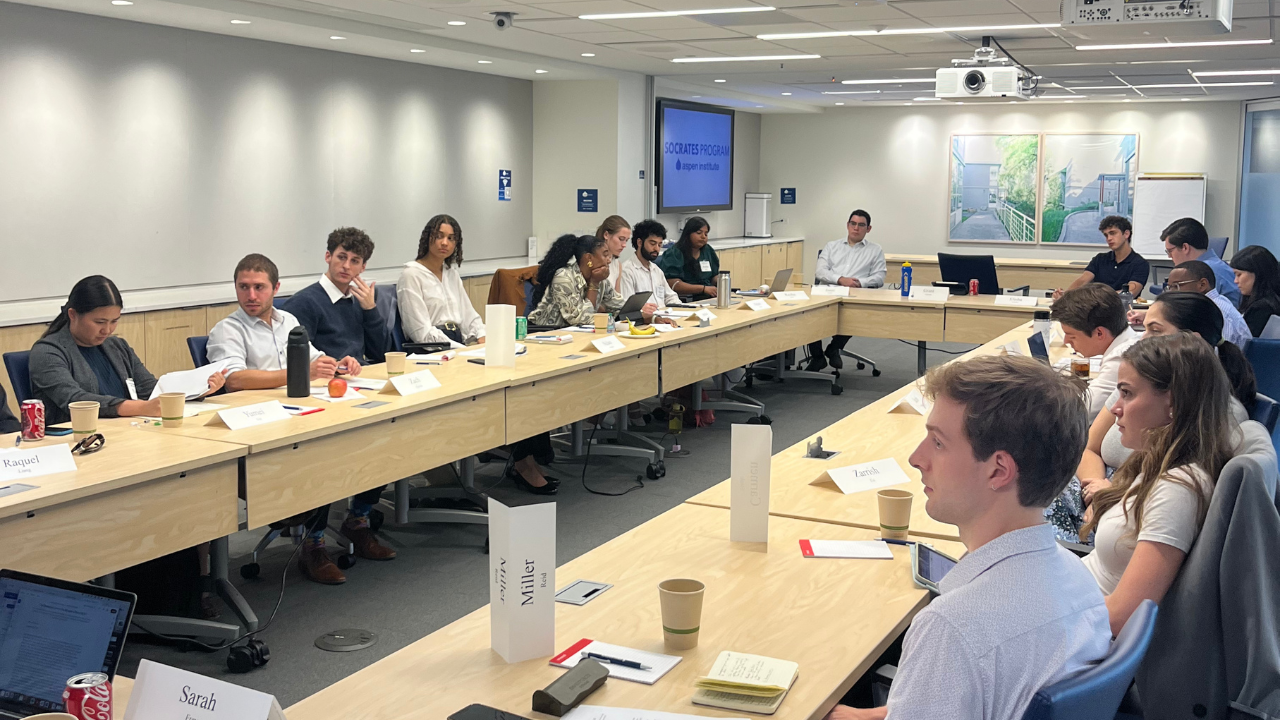
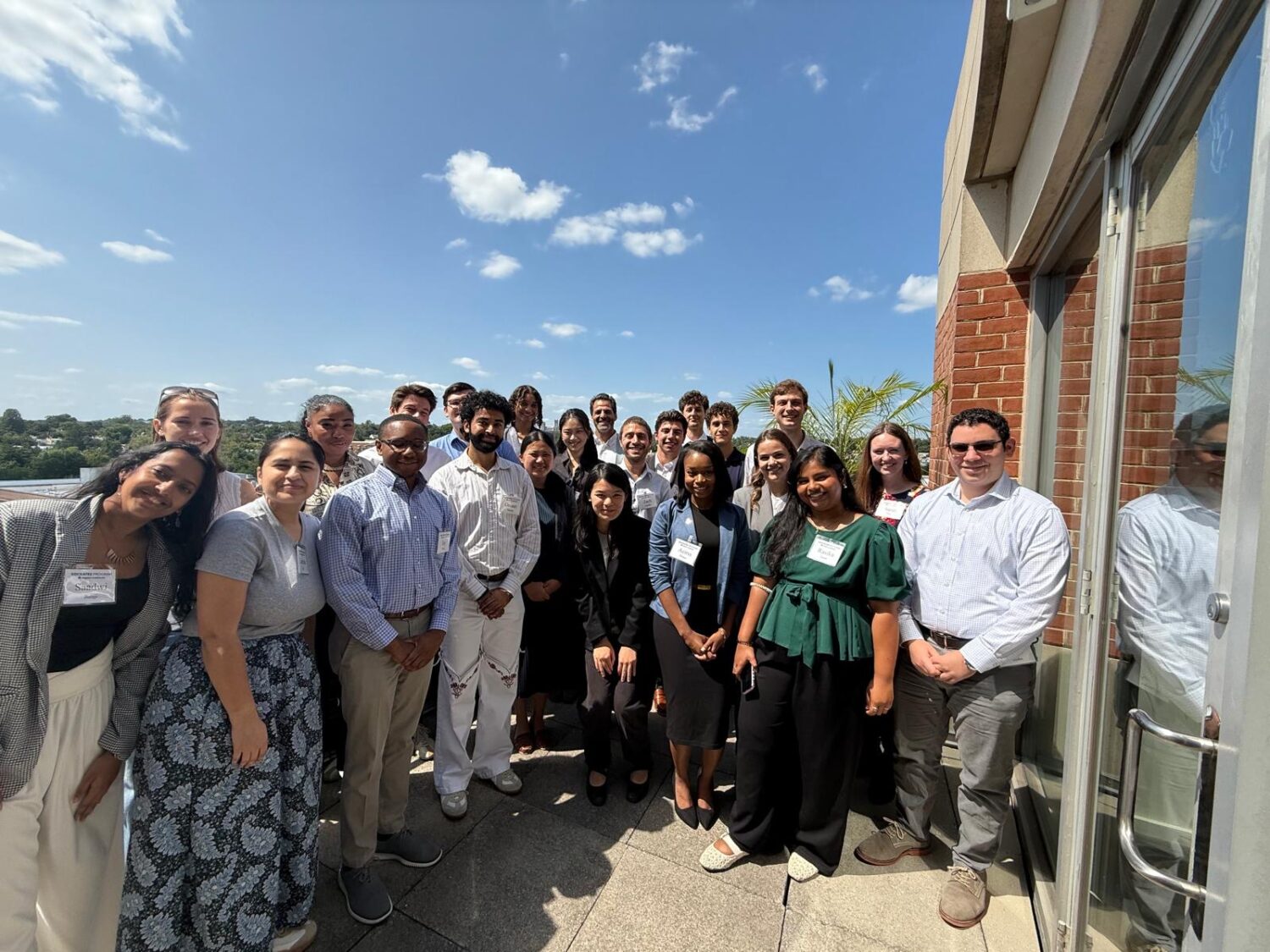
Aspen Institute Socrates Program invited college interns and recent graduates in D.C. for a seminar on disagreement, cancel culture, and holding space for complexity on campuses.
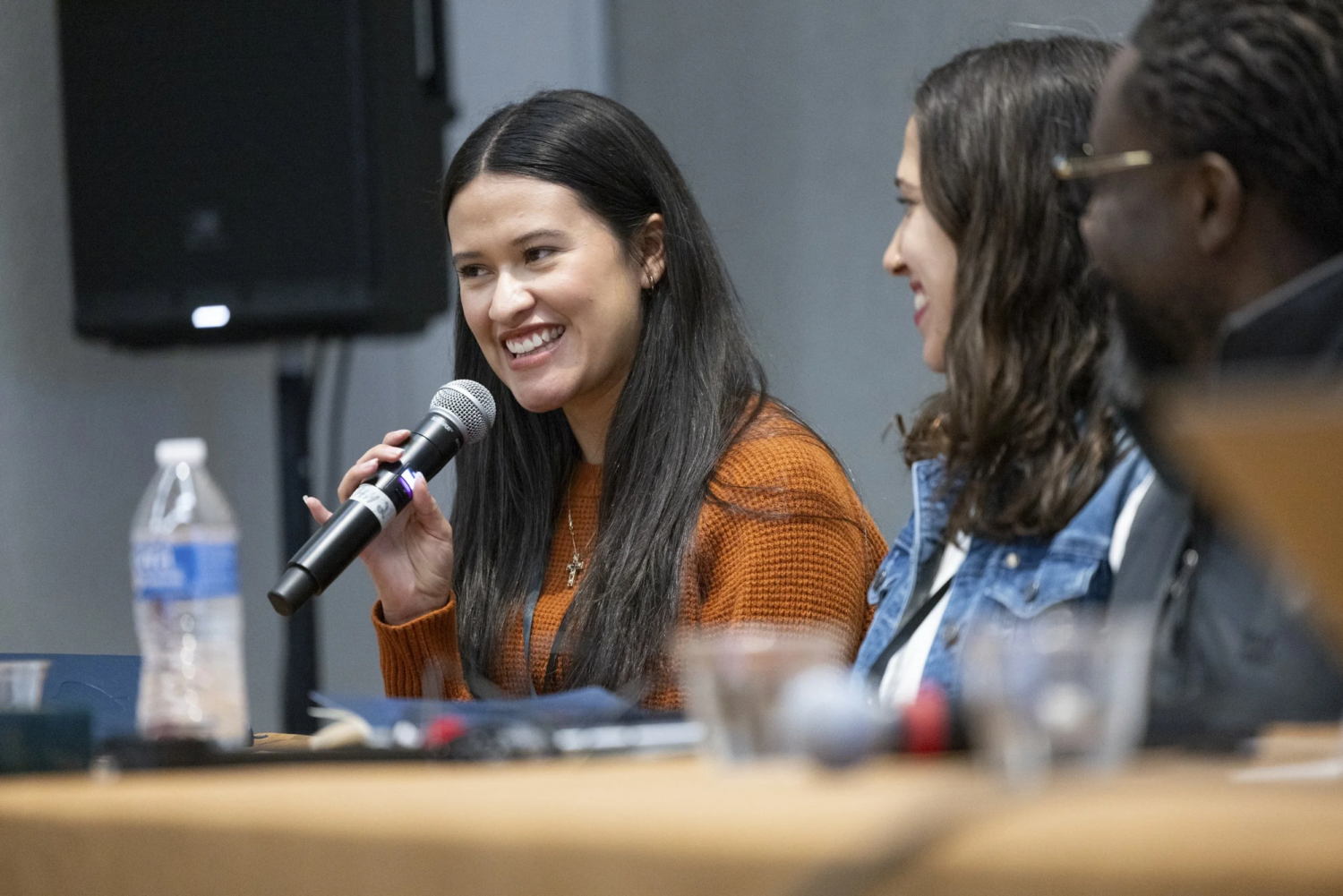
The group celebrated different backgrounds, ideologies, geographies, and schools. They held space for each other, listened deeply, asked to understand, and even invited each other over to break bread after the seminar.
What was most telling was hearing the group share how special and rare it was to sit with their peers across difference and speak and listen without anger or fear. To build trust and make space for hard conversations. To express shared hopes about their studies and the role of universities.
May it inspire all of them to build brave spaces for disagreement that can hold complexity and allow groups to stay together through it – hopefully even to build, not break, friendships.
This event was imagined and designed by Grant Garland, our incredible summer intern. From the participants to the texts, he led the effort, focusing on welcoming in differences during this critical moment on campuses. And, thank you to my co-moderator and colleague Sarah Frey for helping to expertly guide the discussion.
We need more rooms like this—on campuses, in workplaces, in communities—where disagreement isn’t dangerous, but a bridge. If you’d like to partner with Socrates to host brave conversations, let’s talk.
Sign up for our Mailing List
Stay engaged with the Alliance for Social Trust and learn more about upcoming initiatives, resources, and opportunities to collaborate.
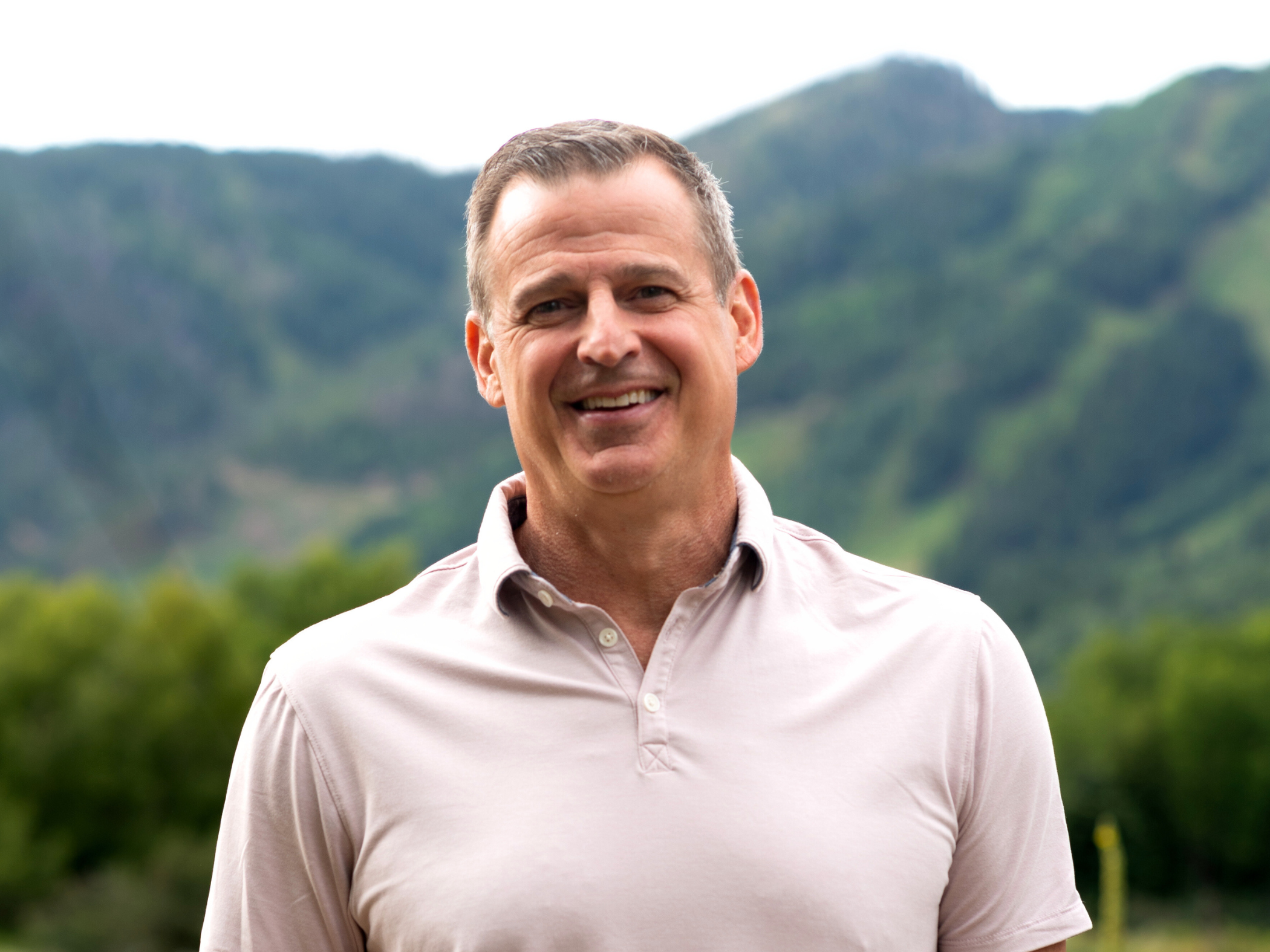
Michael O’Neil, Health Innovators Fellow, has spent the past two decades reshaping how people engage with their own health. As Founder and CEO of GetWellNetwork, he pioneered the field of Interactive Patient Care, creating technology that gives millions of patients around the world a meaningful voice in their care journey.
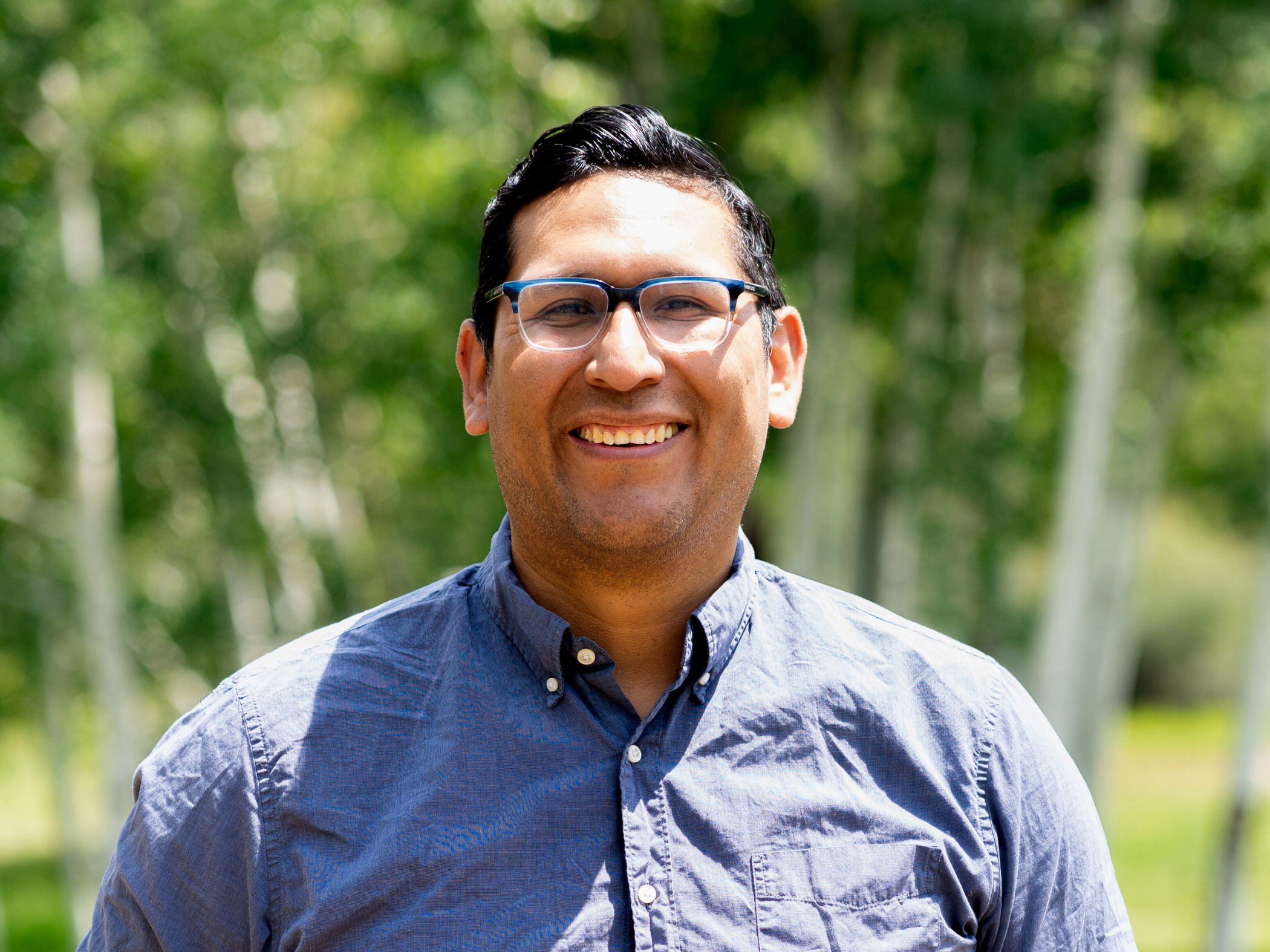
After more than a decade in public office, the question isn’t whether the work continues—it’s how. Tony Vargas, Civil Society Fellow, shares how humility, bridge-building, and values-driven leadership have shaped his journey, from elected office to the work he continues today.
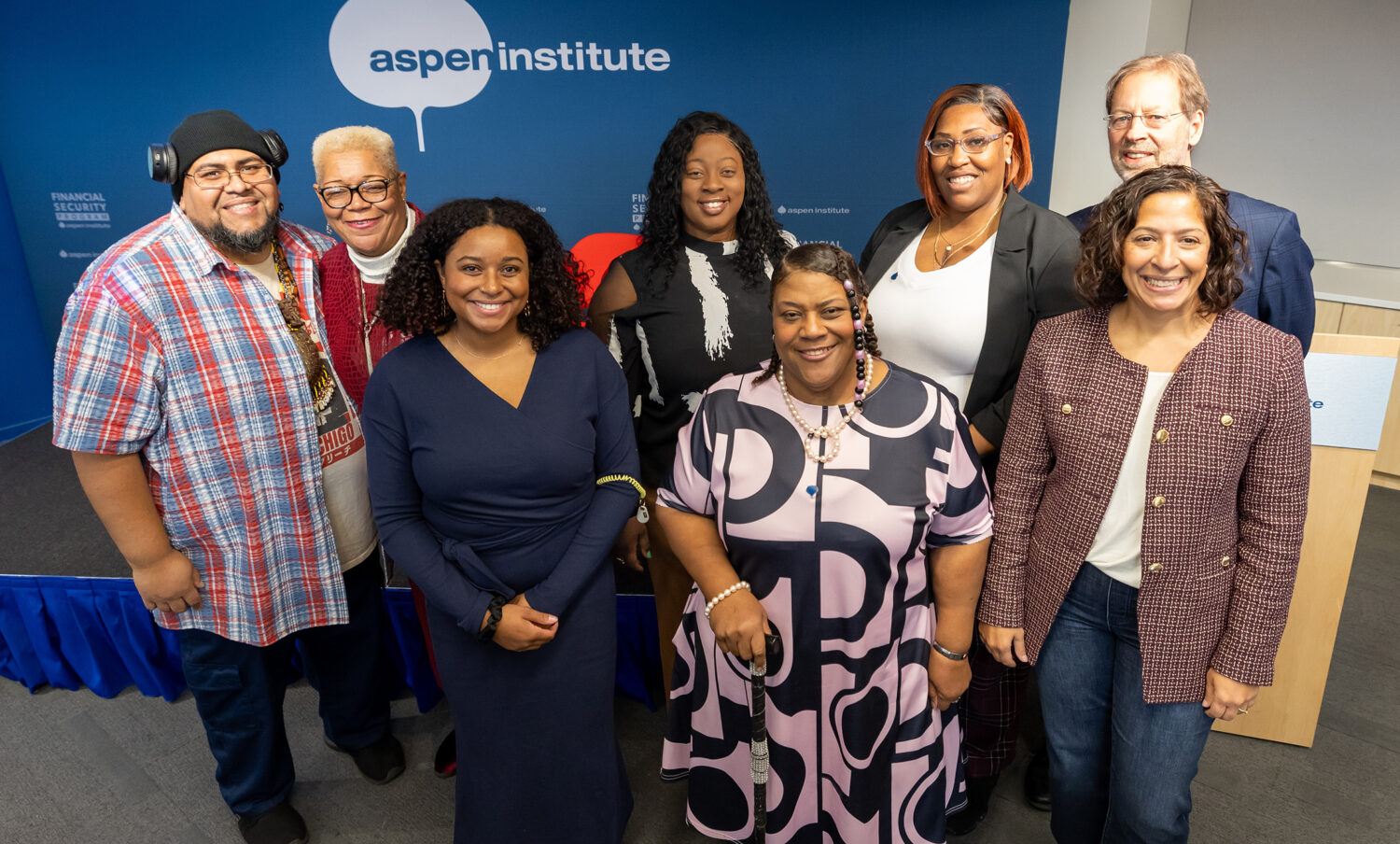
Ariana Arana Bermudez reflects on her first year as part of Aspen FSP’s Community Advisory Group and the role of young adults in advancing financial security.
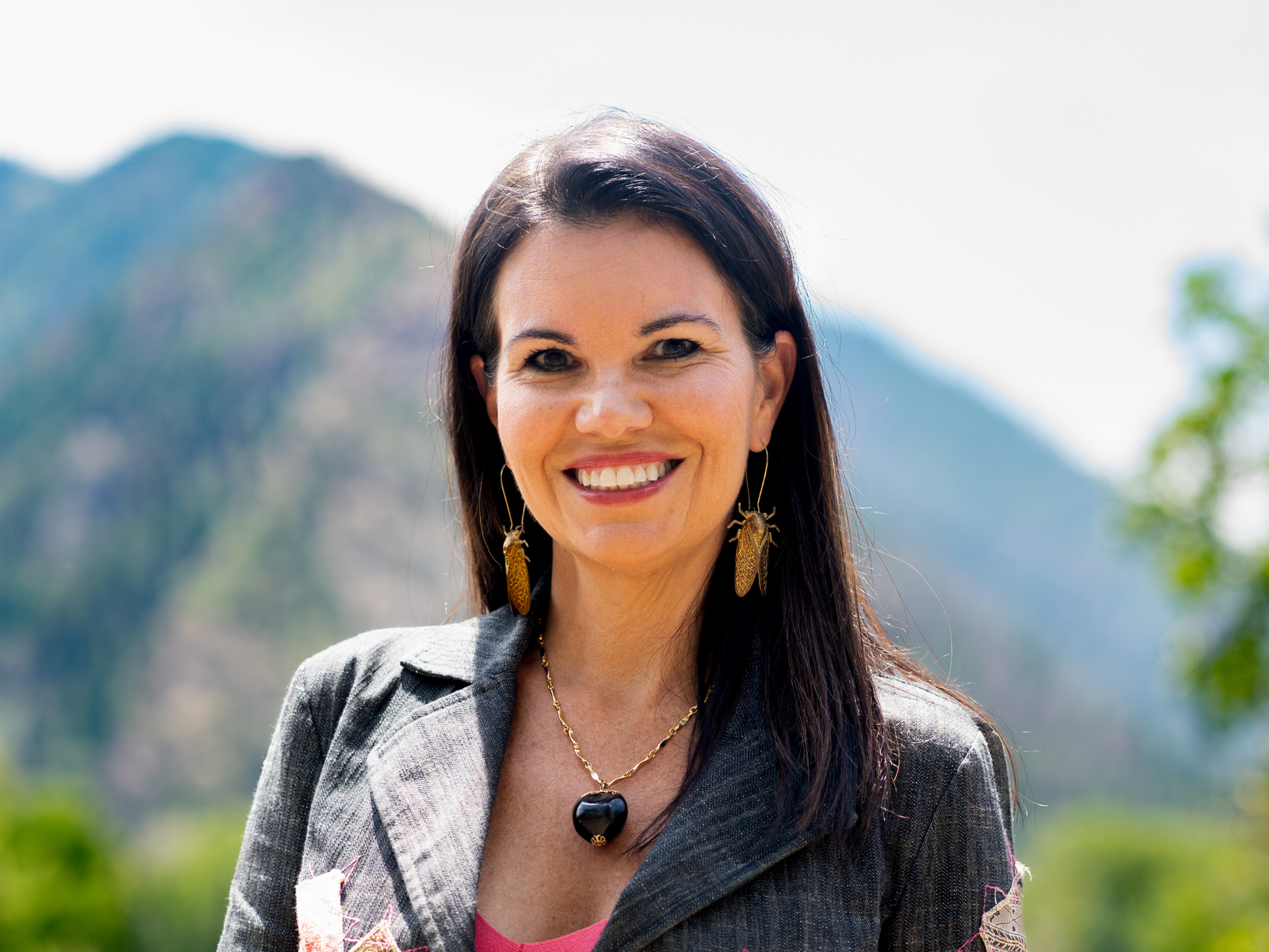
Real change doesn’t always start big. Sometimes it starts with one idea — and an unwillingness to look away. Mandy Powers Norrell, Liberty Fellow, has spent her life serving the communities that shaped her, passing legislation that helped children recognize and report sexual abuse — proof that once you do one hard thing, an avalanche of change can follow.
Since 2021, Aspen FSP and our Community Advisory Group have worked to forefront lived experience of financial insecurity across our research and convenings. Learn how in this reflection by Riani Carr.
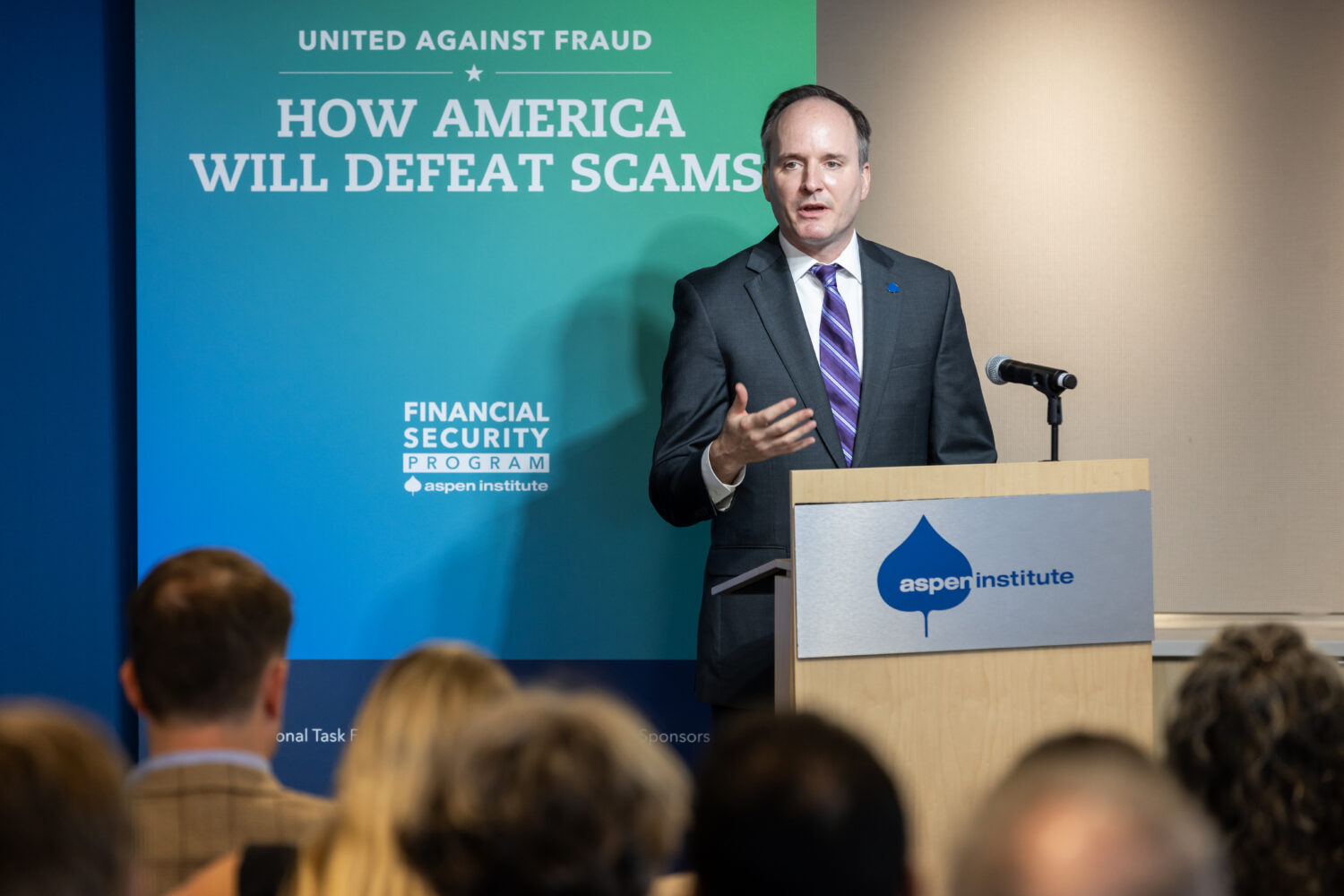
In this Q&A with Aspen FSP Fellow Nick Bourke, we go behind the scenes of National Task Force to Prevent Fraud and Scams and how it led to the an actionable strategy for multi-sector action.
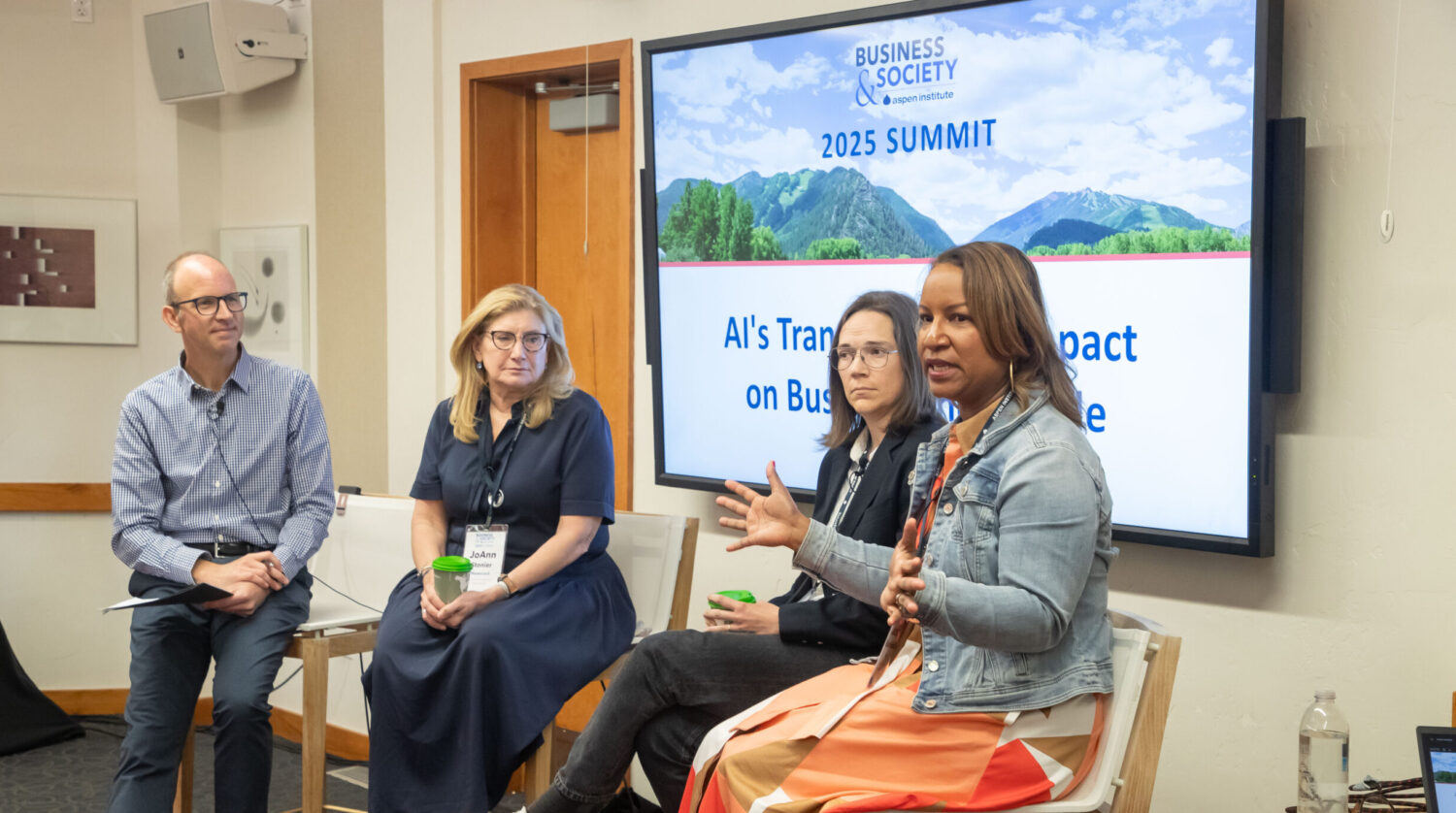
Across our conversations, a single theme emerged: leaders are being asked to make decisions under conditions of heightened scrutiny, political complexity, and accelerating change.
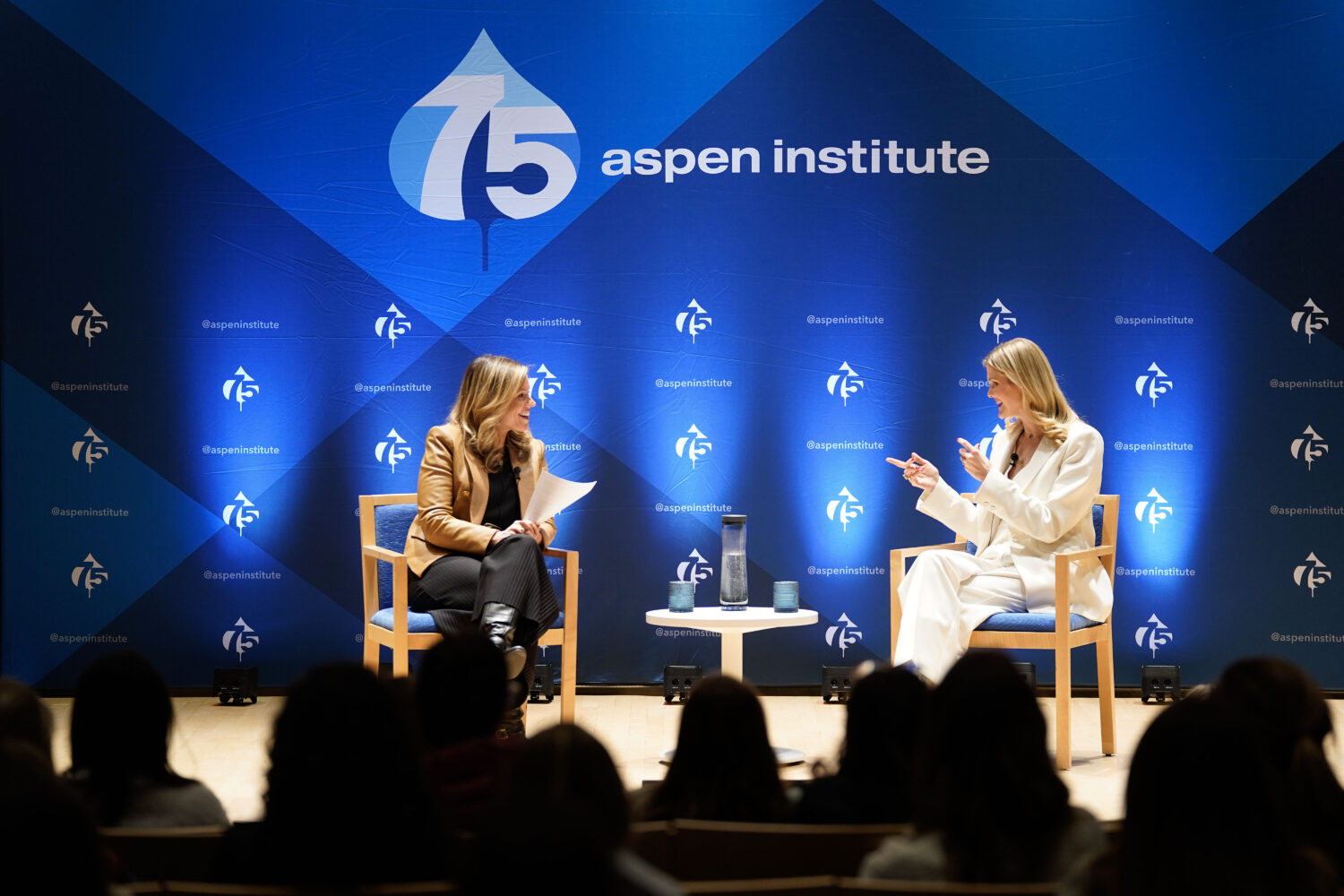
Featuring Dr. Natalie Crawford, double board-certified OB/GYN and reproductive endocrinologist, co-founder of Fora Fertility, and author of “The Fertility Formula” (April 2026), in conversation with CNN’s Pamela Brown, chief investigative correspondent and award-winning anchor of “The Situation Room.”