Going IRL to address the climate crisis and find connection
Subscribe to Weave’s Newsletter
This story was originally published on Weave’s newsletter. Every week, you’ll get resources on how to weave our communities and restore social trust.
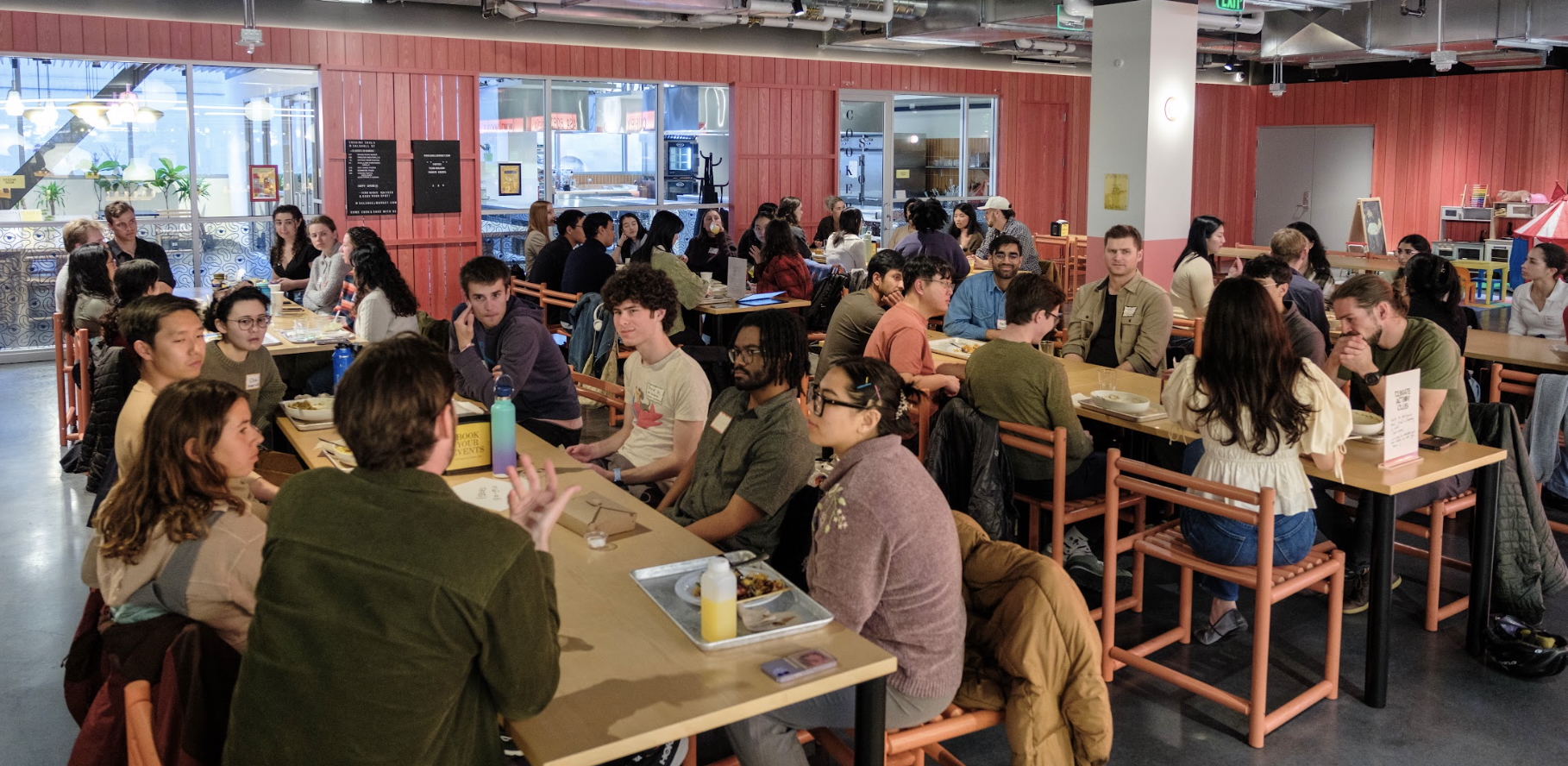
In the San Francisco Bay Area, young adults are gathering every other week at pizza shops, book stores, and community centers to hear a speaker or discuss a podcast or a book together. They also share hikes, potluck picnics, and bike rides. What brings them together? Climate anxiety.
It is all part of the Climate Action Club, an organization started a year ago that runs in-person gatherings to understand the root causes of the climate crisis, take action together, and be “an offline home for Gen Z to build meaningful connections in this incredibly digital and isolated world we live in,” says Danielle Lee, one of the founders.
Since they started, they’ve hosted 30 in-person gatherings attracting more than 1300 people. She says that many young people come to the gatherings because they crave a space where they can find connection and hope about the future. “My generation grew up with uncontained access to information in our phones. At times it can feel empowering, but it has also created a toxic environment that leaves people disempowered and more anxious than before,“ says Lee.
In a 2023 survey of 15,000 young Americans between ages 16-25, well over half said they were very or extremely worried about climate change and 42.8% said it was impacting their mental health. More than a third said these negative feelings were hurting their day-to-day lives.
For Lee, who grew up worried about the world she was inheriting, tackling climate change has been a lifelong goal. After college, she got different jobs in climate technology, but she felt her work wasn’t meaningfully addressing the problem. When she brought up her frustration with friends and colleagues, they found the topic “too heavy.”
She wanted to connect with others who cared as much as her about the climate crisis. With like-minded friends, she created a public event on an event website to invite other Gen Z folks to meet for a potluck at a park to “make climate friends” and “have a meaningful discussion about taking climate action at work, home, and in our communities!” More than 50 showed up.
They kept meeting and the Climate Action Club was born – but not just as an advocacy movement. The organizers wanted to foster connection first. “We wanted to move from that isolation and climate anxiety into empowerment and action,” Lee says.
Every event has guidelines that invite connection, like be friendly and say hi to someone new, especially if they came alone.
“People show up differently when they know that they are going to see people again and again and some of them are going to become friends,” explains Lee. “We’re intentionally creating an environment for folks to show up authentically rather than as the resume version of themselves.”
She says more than 30% of the people at a typical gathering have been to at least four others. People know and trust each other. Now, they are looking to transform that energy into local civic action.
Their next step: figuring out how to expand their model so more Gen Z folks can start Climate Action Clubs where they live. “It’s not like creating a digital platform where your reach can be in the millions,” acknowledges Lee. “Relationships don’t scale. Building trust takes a lot of time. But we are hopeful that we can figure out a way to replicate it in other communities.”

Fellows On Fellows: Leading with Purpose in the Public Eye
Standing in Hope and Gratitude: Leading With Vulnerability and Purpose
Bridging Divides with Humility: A Leadership Journey Rooted in Purpose

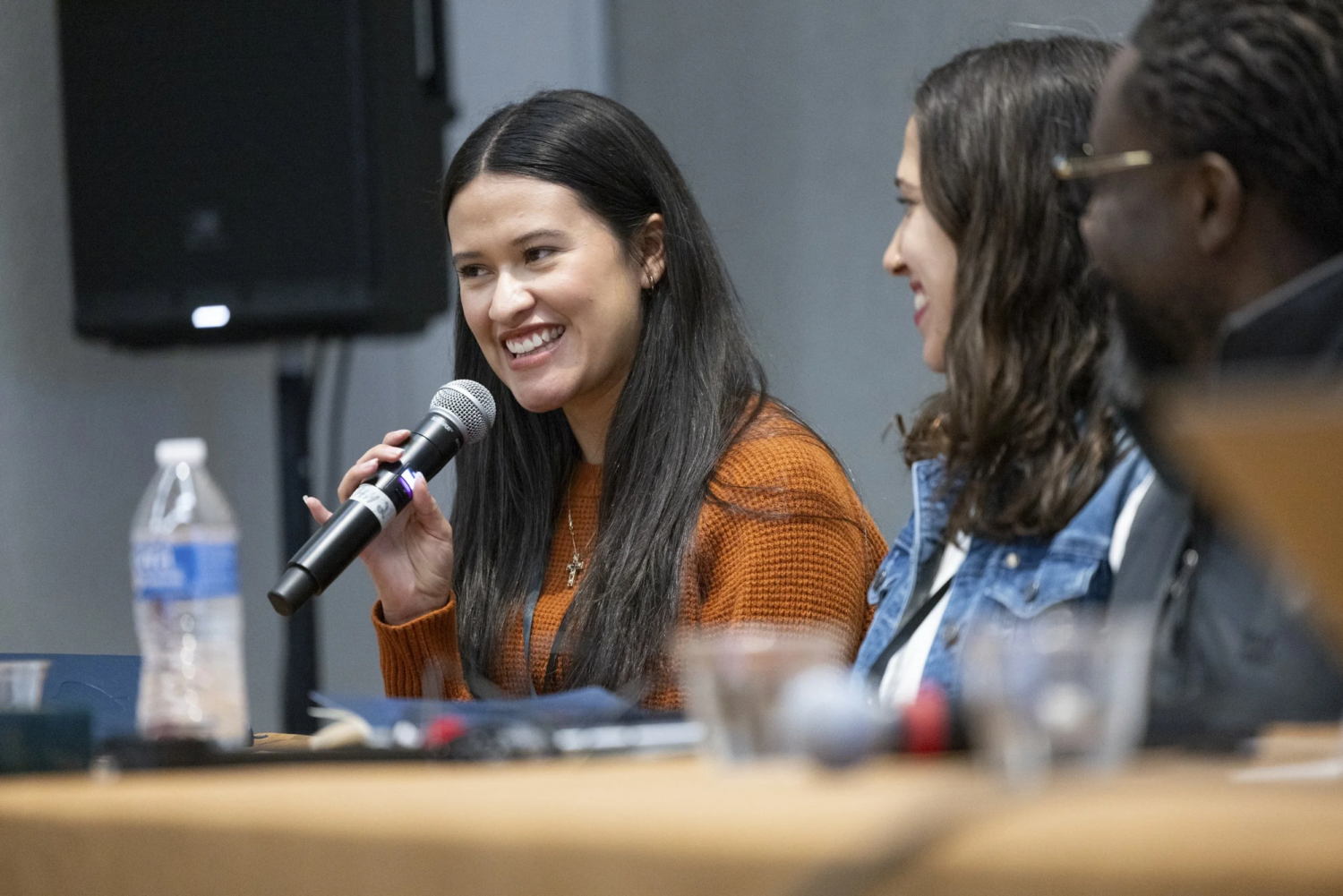
Young People Are Not Just the Future—They Are the Present
Turning Compassion Into Action: A Lifelong Fight to Protect Children
Dignity, Trust, and Legacy: What Aspen FSP’s Community Advisory Group Has Taught Me

A Blueprint for Action: Lessons from the National Strategy to Prevent Scams with Nick Bourke