

Financial shocks are an ongoing, persistent barrier to financial security for many families. These shocks—such as medical expenses and income loss—are all too common and make it difficult for families to pay for daily expenses and their financial goals. Now, more people and communities across the United States are also contending with increasing financial shocks from severe weather.
While gradual changes in weather and climate have persistently negative impacts over longer time horizons, disasters such as hurricanes, floods, and wildfires have sudden and catastrophic impacts both in the short and long term. These severe weather incidents are growing in frequency and intensity and create financial shocks across the balance sheet for families who are not prepared to withstand them without support.
To address this concerning trend, the Aspen Institute Financial Security Program (Aspen FSP) has been convening leaders across public, private, and nonprofit sectors to make meaningful progress on helping households navigate these shocks.
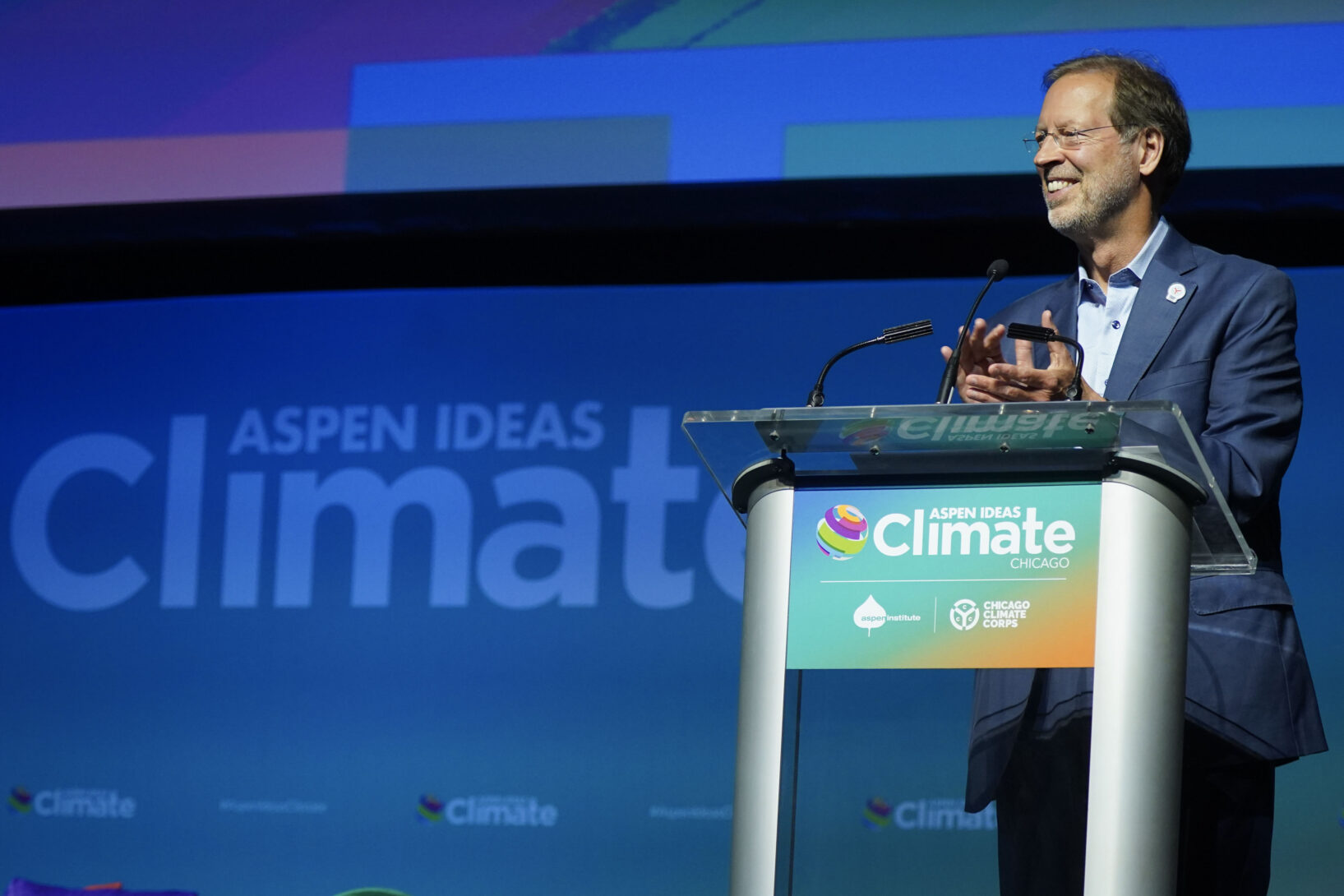
Earlier this year, Aspen FSP and U.S. Bank co-hosted a private roundtable discussion, Solving for the Impact of Weather Events on Financial Security, at Aspen Ideas: Climate in Chicago. Leaders from the financial services ecosystem discussed the compounding financial security disruptions of severe weather and the financial product and service needs of households given the growing impact and increasing unpredictability of weather hazards.
Together, attendees identified priority questions and actionable steps to offer the necessary products and services that preserve financial security and allow for additional wealth building. Attendees discussed the highest impact role of financial institutions, recognizing their existing role as a resource connector for families and communities, especially in the wake of severe weather. They also surfaced tensions and tradeoffs facing financial institutions when providing support for severe weather-related financial disruptions:
- Specificity of solutions and timeliness. Attendees weighed whether specific solutions put in place around a particular severe weather event, such as a wildfire or a hurricane, are needed compared with more general solutions, such as a quick-turn loan, in response to severe weather. They noted that these options would have different parameters, including eligibility criteria, loan size, and processing times for the customer and risk profiles and administrative costs for the financial services provider. While the specific solutions may provide guardrails for the financial institutions, they may also increase the administrative burden for both financial institutions and potential clients due to complicated application and documentation requirements. Regardless of the tool, the timeliness of support is a critical issue for family financial resilience and recovery when weather hits.
- Invest in products that support resilience against severe weather impacts versus products to help people rebuild after its impact is felt. Participants discussed that customers recognize the need to make upgrades to their homes, property, cars, and appliances that increase resilience against weather impacts and the equally important need for support in addressing the felt impacts of severe weather in its aftermath. Both require affordable financing options to help families maintain financial stability in the midst of increasing severe weather-related financial shocks.
- Credit risk and flexibility. Credit scores can plummet in the wake of climate impacts and in turn affect the availability and pricing of the financial safeguards individuals need to get back on their feet. This raised two related questions given the prevalence and growing intensity of severe weather across the United States: 1) How responsive to a weather-related financial impact should the credit score be while still being a useful tool for determining creditworthiness? 2) How flexible might lenders or insurers be in using the credit score as a parameter in the design of a post severe weather-related product?
Financial institution leaders already deeply understand the impact of weather-related shocks facing families and communities and are working to support household financial security given the increasing harm caused by severe weather. In fact, from 2020 to 2024, the U.S. experienced 115 natural disasters costing at least $1 billion each, inflicting a total of $746.7 billion in damages.
These financial shocks are not going away; if anything, they may grow and layer on top of other financial disruptions families already struggle to address. Consider:
- In a given year, 75 percent of households experience at least one significant unexpected expense, and 38 percent experience a significant decrease in income.
- In 2024, if a household lost their primary source of income, 42 percent of households could cover expenses for a month or less using all sources available to them, including savings, borrowing, help from friends or family, or selling assets.
- And in 2025, total household debt is at a record high and continues to rise, limiting people’s ability to affordably address shocks via lending or other products and services.
But leaders will need to convene additional expertise and resources to build solutions that can meet the moment. Regulators, benefit and insurance providers, policymakers, and funders all have roles to play in delivering solutions that address the burgeoning financial shocks facing families, ensuring that families can amass, maintain, and protect their wealth.
Related

A Persistent Challenge: How Financial Shocks Continue to Undermine Family Financial Security
