The American Experiment of Sustaining Trust:
Highlights from the 2025 Trust In Practice Summit
Rasika Gasti
Digital Content Associate
As the United States becomes more racially, ethnically, and culturally diverse, how does this affect Americans’ trust in those around them? While some may think that the growing differences are at the root of eroding trust in the country, what if the same differences, when embraced in community, can rebuild, strengthen, and sustain trust? What are some practical insights and strategies at the community level that can help us understand the macro picture?

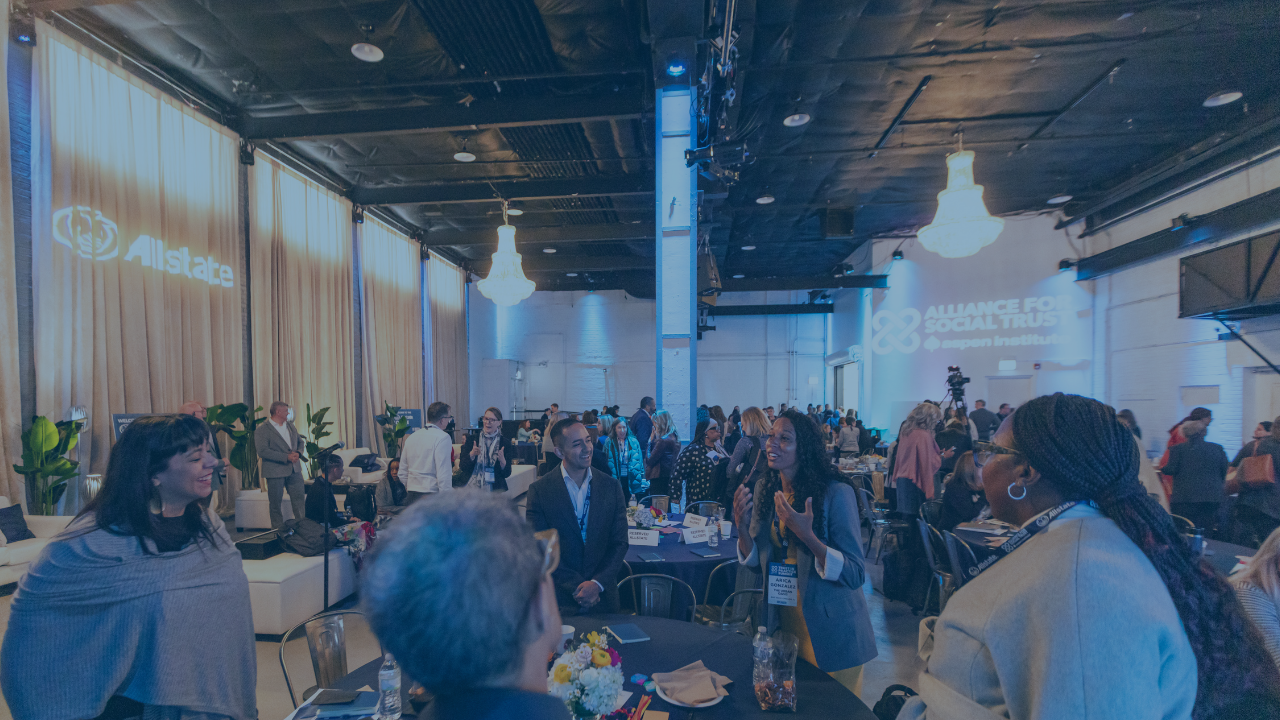
Over 200 trust practitioners and leaders from across the U.S. unraveled these sorts of questions at the first-ever Trust in Practice Summit, hosted by the Aspen Institute’s Alliance for Social Trust and Allstate in Chicago earlier this month.
“Trust greases the wheels of our daily social interactions, makes life just a little bit easier for everybody, and people who trust others are also more connected,” emphasized Neha Sahgal, Vice President of Research at the Pew Research Center, as she took center stage alongside Laura Silver, Associate Director of Global Attitudes Research at the Pew Research Center, to present their findings on trust in the U.S. from one of the highest quality, longest running surveys in the U.S. by the Pew Research Center.
As they unveiled the survey findings at the Summit, Neha and Laura took participants on a journey through the evolving landscape of trust in the U.S. — exploring how it has changed over time, how it’s distributed geographically, how it varies across different groups, how it’s shaped by broader social and political shifts, and what the data suggests about the future of trust.
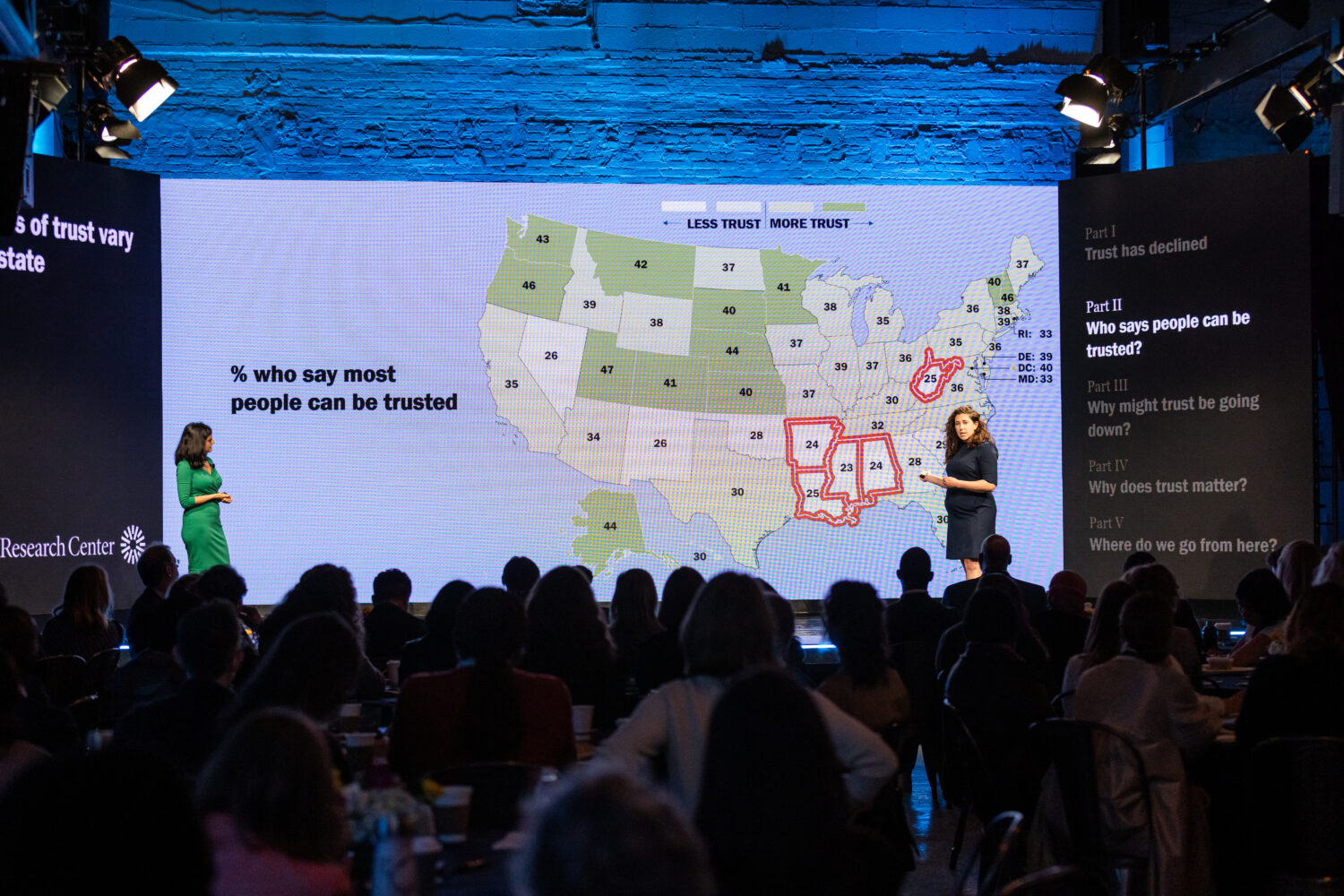
Americans trust each other less than they did a few decades ago. According to the General Social Survey, the share of adults who believe most people can be trusted dropped from 46% in 1972 to 34% in 2018. Like other social goods in the U.S., such as healthcare and education, social trust is unequally distributed among people from different racial and ethnic groups, socioeconomic statuses, and ages.
“Different groups experience trust differently,” said Neha. “The axes along which trust differs resemble many of the other axes of division in the US today.” For instance, younger people have lower levels of trust than older people, and Black and Hispanic adults are much less trusting than White and Asian adults.
Further, research shows that people are more likely to trust others when they feel surrounded by those who are like them. At the root of the issue, Laura points out that “America’s challenge when it comes to building and sustaining trust necessarily involves dealing with the heterogeneity of our country.” She adds that we know from our political literature that focusing on our differences is not a recipe for building and sustaining trust.
So what can we do about it? At the Summit, local leaders and trust practitioners offered bold ideas and transformative insights on rebuilding trust by perceiving our sameness or shared identity, not in spite of our differences, but through them.
It Starts From the Ground Up
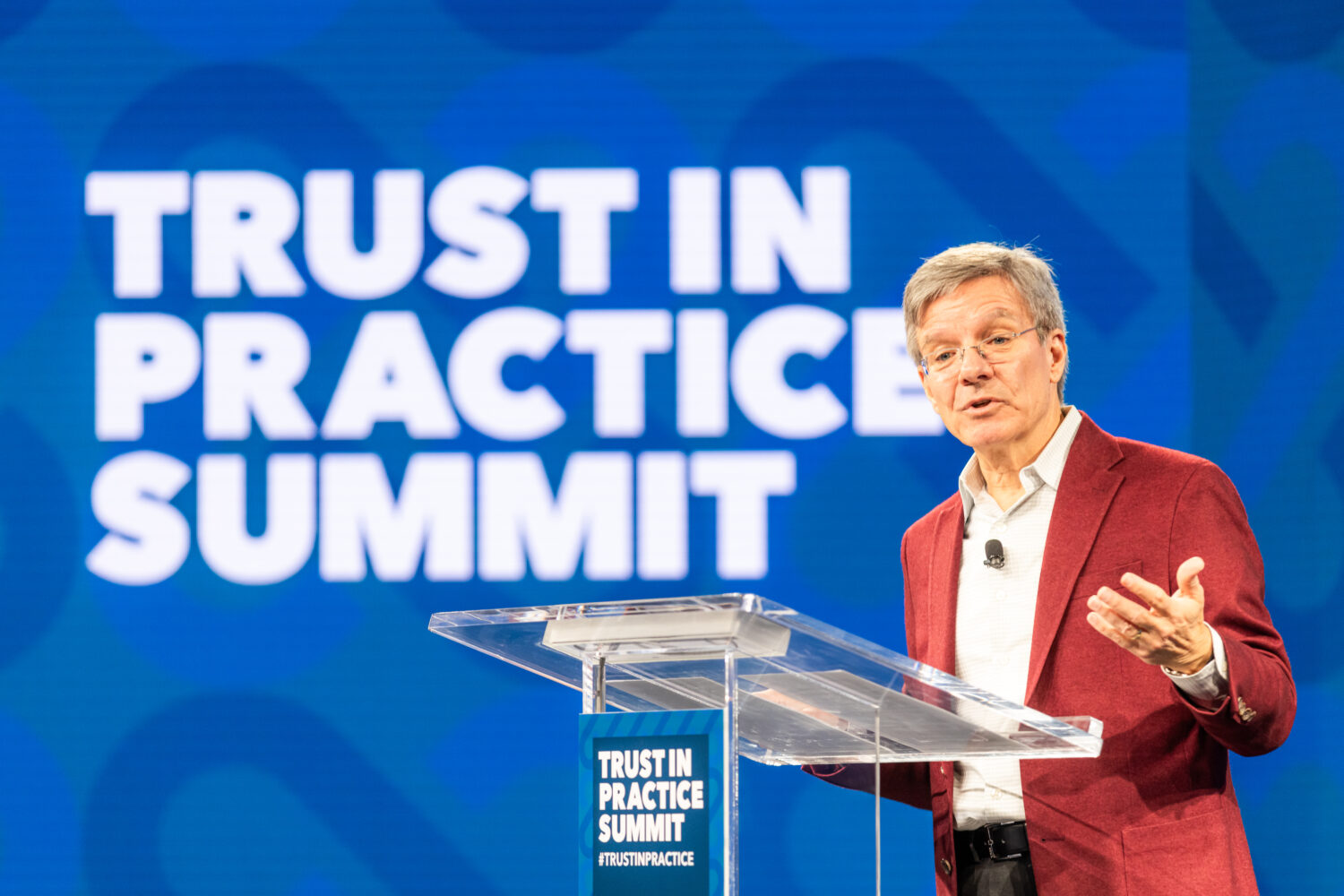
“Trust is the foundation for society,” said Allstate Chair, President, and CEO Tom Wilson at the opening plenary as he referred to classic political philosophies like Rousseau’s social contract that identified trust at the root of collective self-governance. Such works solidify the idea that self-governance doesn’t begin with top-down authority — it begins with people coming together at the local level to take shared responsibility and act in each other’s best interest.
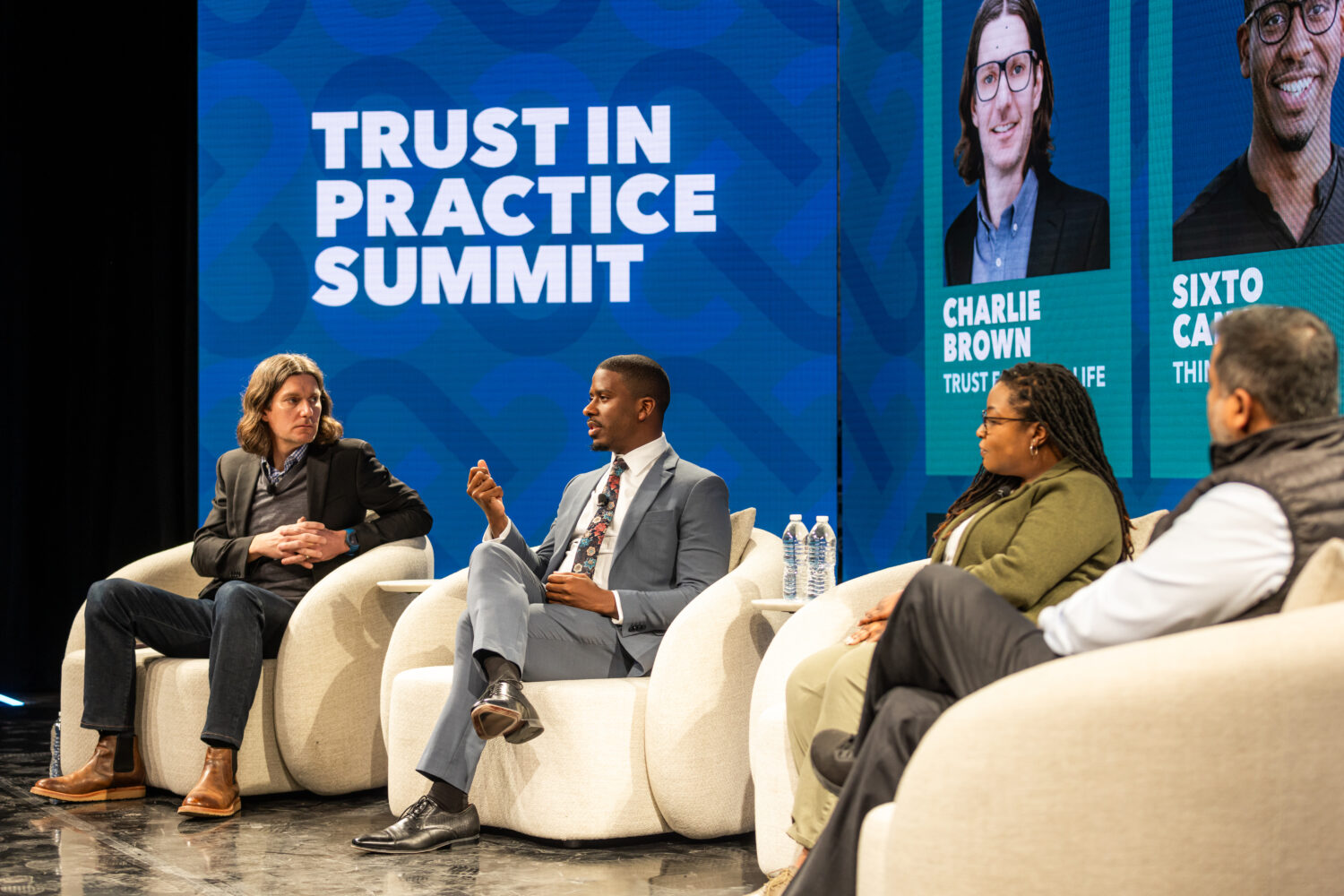
A discussion panel featuring local leaders — Charlie Brown, Executive Director of Trust for Civic Life; Sixto Cancel, Founder of Think Of Us; and Orriel Richardson, Head of Policy & Advocacy at Morgan Health, JPMorgan Chase — expanded on the lessons and successes of building trust through grassroots efforts and cross-sector partnerships rooted in identifying and collaborating on shared problems.
“As smart as you may be, as good as your strategy may have been developed,” said Charlie Brown, “you have to trust those local communities to identify the solution and have the opportunity and the means to be able to solve the problems themselves.”
Maryam Banikarim on a New Style of Leadership
What started with 8 strangers who later became friends launching The Longest Table as an effort to restore hope in New York City after the pandemic, grew into a nationwide movement, bringing hundreds together for shared meals in neighborhoods, schools, and local businesses — all seated at one long, unifying table.
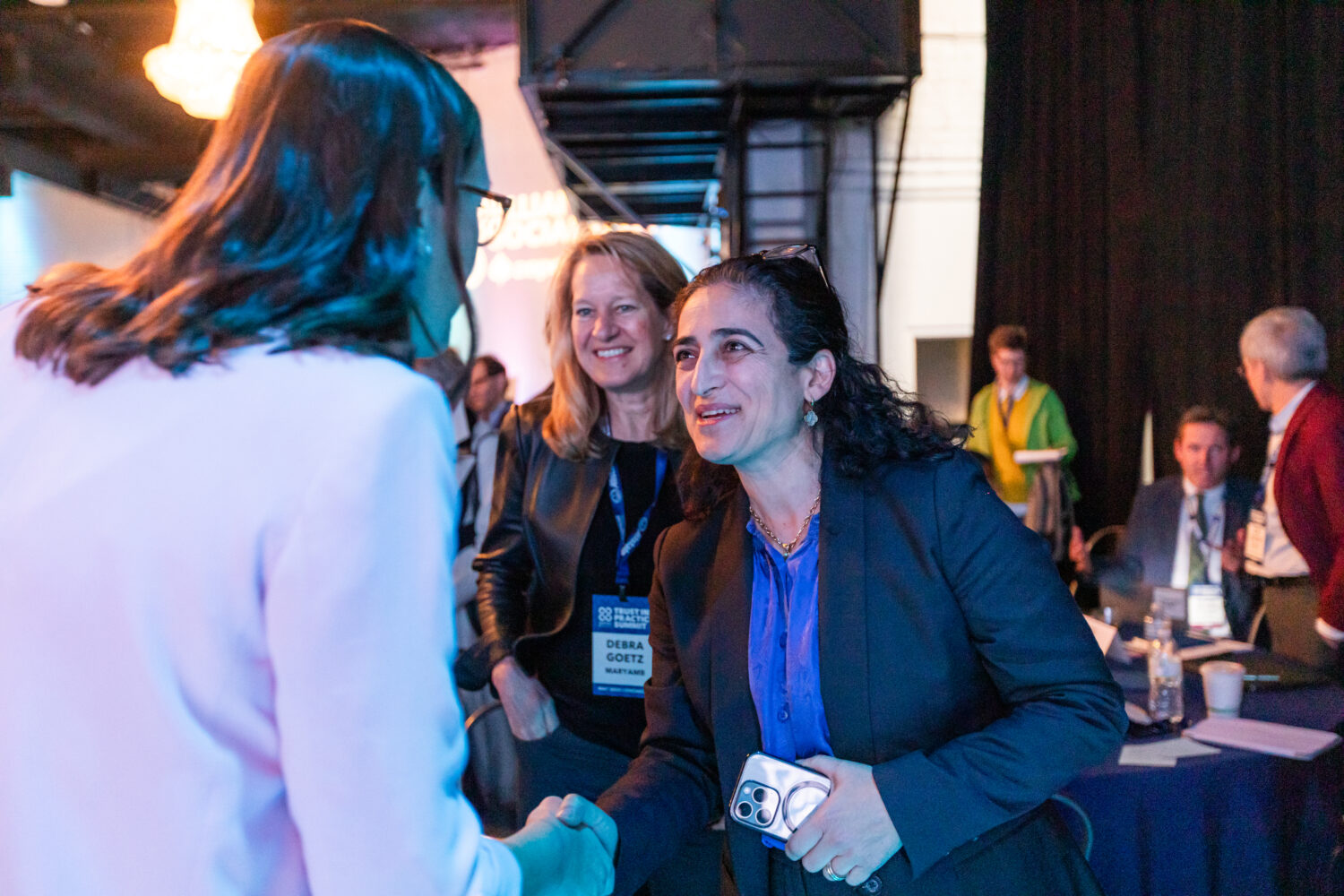
“We didn’t know we were setting up to solve a problem. We just had an idea, and we did it. But the problem we’re trying to solve is loneliness, division, and the lack of belonging,” said Maryam Banikariam, Co-Founder of NYCNext and The Longest Table, at the Summit as she highlighted that 74% of Americans feel the lack of belonging in their local communities, and 1 in 2 are experiencing some form of loneliness.
This journey taught her that this kind of initiative required a new leadership muscle — to lead with grace and trust, let go of control, and let others step in. She realized that the only way to expand this space of belonging to reach communities across countries is by inviting participation and sharing hosting responsibilities, because that space is “created with them, not for them.”
Orlando Bailey On Getting Information Right to the People
Following the 2008 financial crisis, as Detroit faced the largest municipal bankruptcy in U.S. history, a quieter but deeply damaging crisis was unfolding alongside it: property tax foreclosure. It was during this time that Outlier Media was founded with a clear mission — to put crucial information into the hands of the people who needed it most.
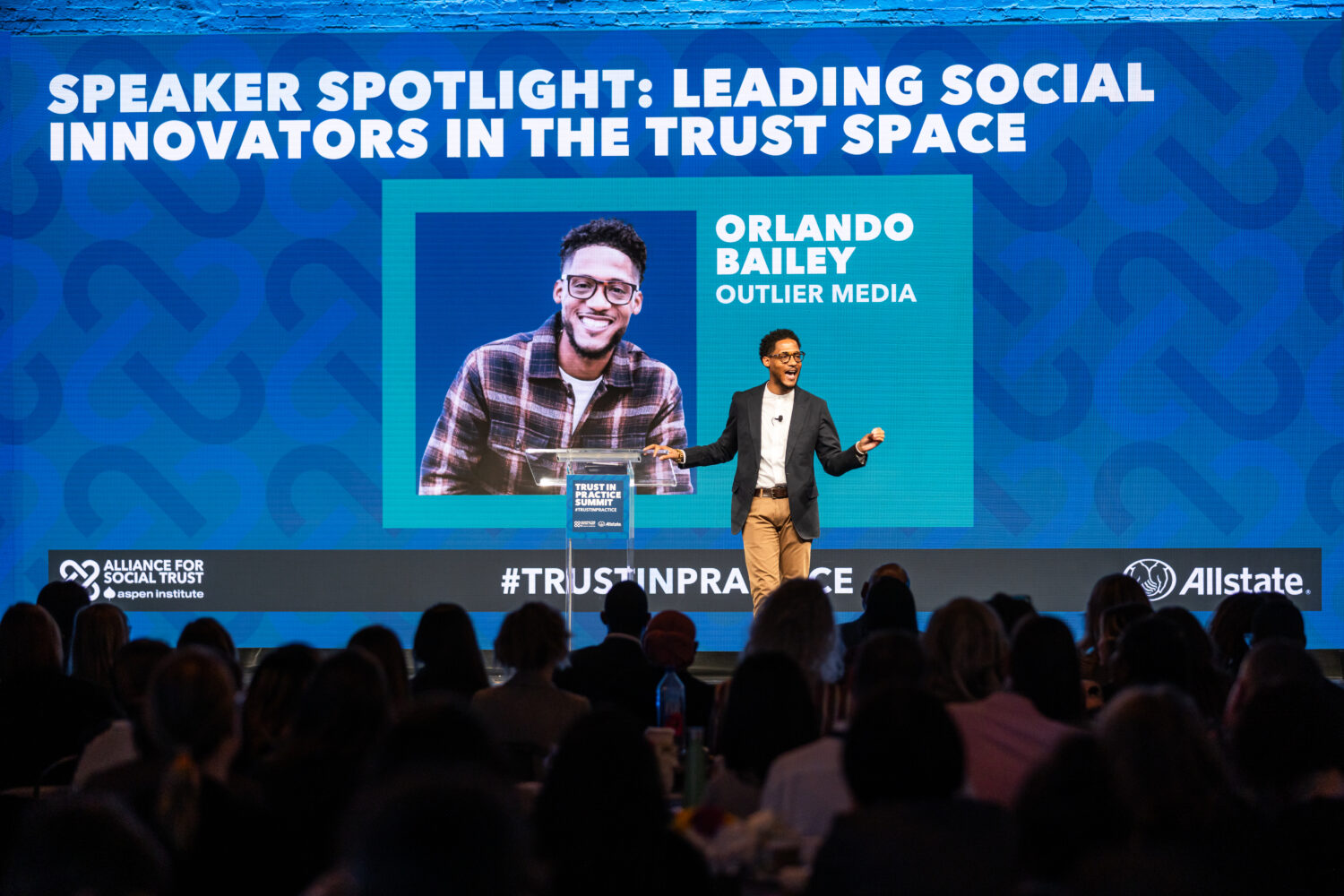
“People didn’t need a story; they needed information to be liberated,” said Orlando Bailey, Executive Director of Outlier Media, at the Summit. He explained their first product: a text message system that allowed residents to engage directly with reporters and access up-to-date information about their properties, including what they were entitled to from Wayne County. This effort contributed to a landmark Michigan Supreme Court decision, which ruled it unconstitutional for the county to profit from the sale of tax-foreclosed properties at auction.
One Relationship at a Time
But system-wide trust depends on person-to-person trust. The Allstate CEO points out that the breadth and depth of relationships have been eroding due to a range of socioeconomic and technological factors. Today, 1 in 8 U.S. adults — 12% of the population — report having no close friends, a figure four times higher than 35 years ago.
But the good news is, as Laura Silver from the Pew Research Center points out, “scholars have found that interpersonal interactions with people who are different can also affect people’s trust levels.” That’s where we start — enriching one-to-one relationships among neighbors.
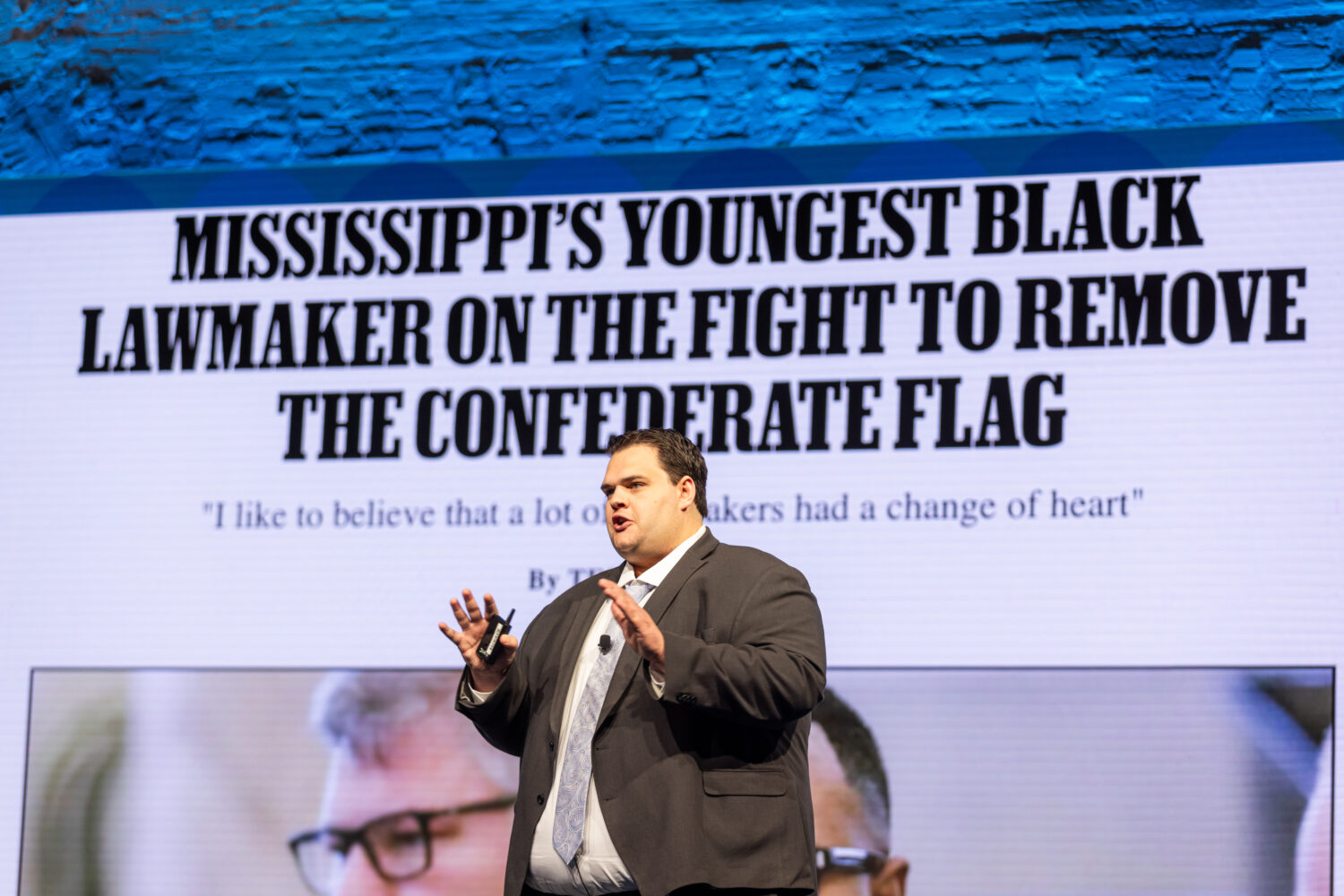
As Reed Howard, Chief Strategy and Public Affairs Officer of Future Caucus reflects, “You can’t surge trust,” no matter how much money, resources, or manpower you throw at a crisis. Real trust is built through consistent, human connection, like his grandmother’s quiet acts of kindness and inclusion during the holidays, welcoming people of all backgrounds into her home and honoring them with care and creativity. It’s this lesson that inspires the work of Future Caucus, where young leaders from across the political spectrum come together to form bonds that transcend division.
Similarly, by inviting neighbors in her West Baltimore community to share socially distanced Sunday dinners from their own front walkways, Arica Gonzalez, Executive Director of The Urban Oasis, created space for connection, recognition, and shared humanity. “Let us see each other’s faces, let us learn each other’s names, and let us understand what it looks like to live a life with one another,” she said — because trust begins not with grand gestures, but with seeing, knowing, and choosing to show up for the people right next to us.
Volunteerism is Becoming a Key Force
Another interesting takeaway from the Pew Research Center discussion was that people who trust more are more willing to help others, demonstrating a clear link between trust and generosity. This connection is especially significant in the wake of the COVID-19 pandemic, as volunteerism has surged to levels even higher than before.
“Philanthropy was designed to be the highest risk capital in this country,” said Charlie Brown. “We have to be comfortable incubating new ideas, letting risks happen, letting failure happen, and supporting those communities in being the solution.”
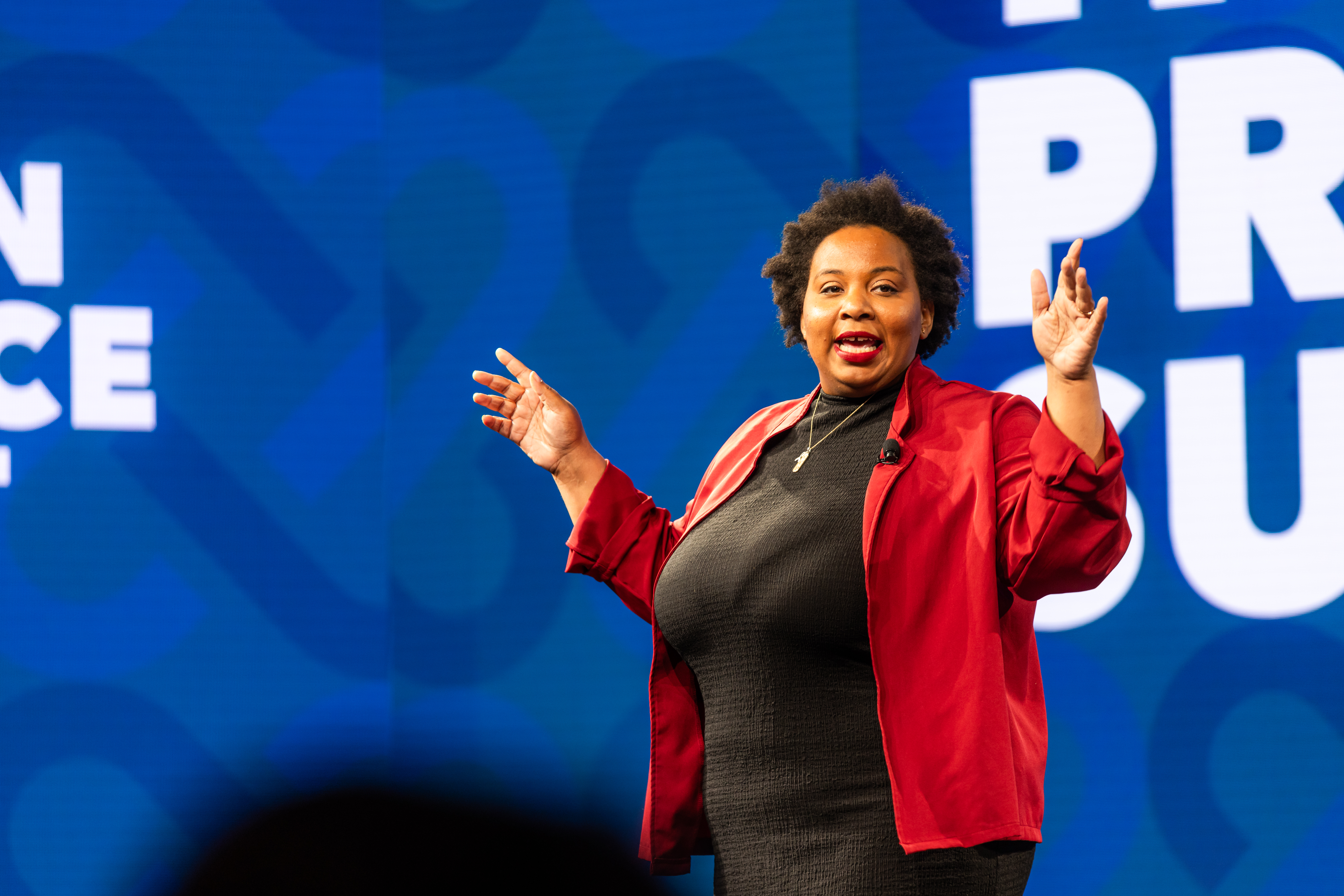
This shift is evident in how organizations like Chicago Cares are reimagining what service looks like. CEO Rosie Drumgoole emphasized that service must be community-driven, rooted in what people actually need. In partnership with Pepsi, they launched “Pathways to Careers,” a program that connects community members with mentors in fields like marketing and social media, broadening access to talent and opportunity. This approach reframes volunteerism from one-way charity to mutual empowerment, proving that when service is shaped by trust and relationships, it becomes transformational for everyone involved.
So where do we go from here?
As Neha Sahgal wisely put it, one way to think about rebuilding trust is that we need to fix everything — our schools, our neighborhoods, our institutions, our politics. There’s so much work to do! But another way, perhaps a more hopeful one, is to recognize that there are countless entry points. We don’t have to wait for sweeping policy reforms and systemic changes. We can start small by talking to our neighbors, by engaging across differences with intention, and by choosing to show up in the spaces where trust is built, one relationship at a time.
At the first-ever Trust in Practice Summit, as we engaged in meaningful dialogues, shared laughs around the “longest lunch table,” revealed data, built connections, and learned inspiring lessons, we realized that the American Experiment of strengthening trust is already in motion through numerous people and efforts across the country, choosing to begin right where they are.
Continue exploring more insights from the Summit here.
Sign up for our
Mailing List
Stay engaged with the Alliance for Social Trust and learn more about upcoming initiatives, resources, and opportunities to collaborate.
Standing in Hope and Gratitude: Leading With Vulnerability and Purpose
Bridging Divides with Humility: A Leadership Journey Rooted in Purpose

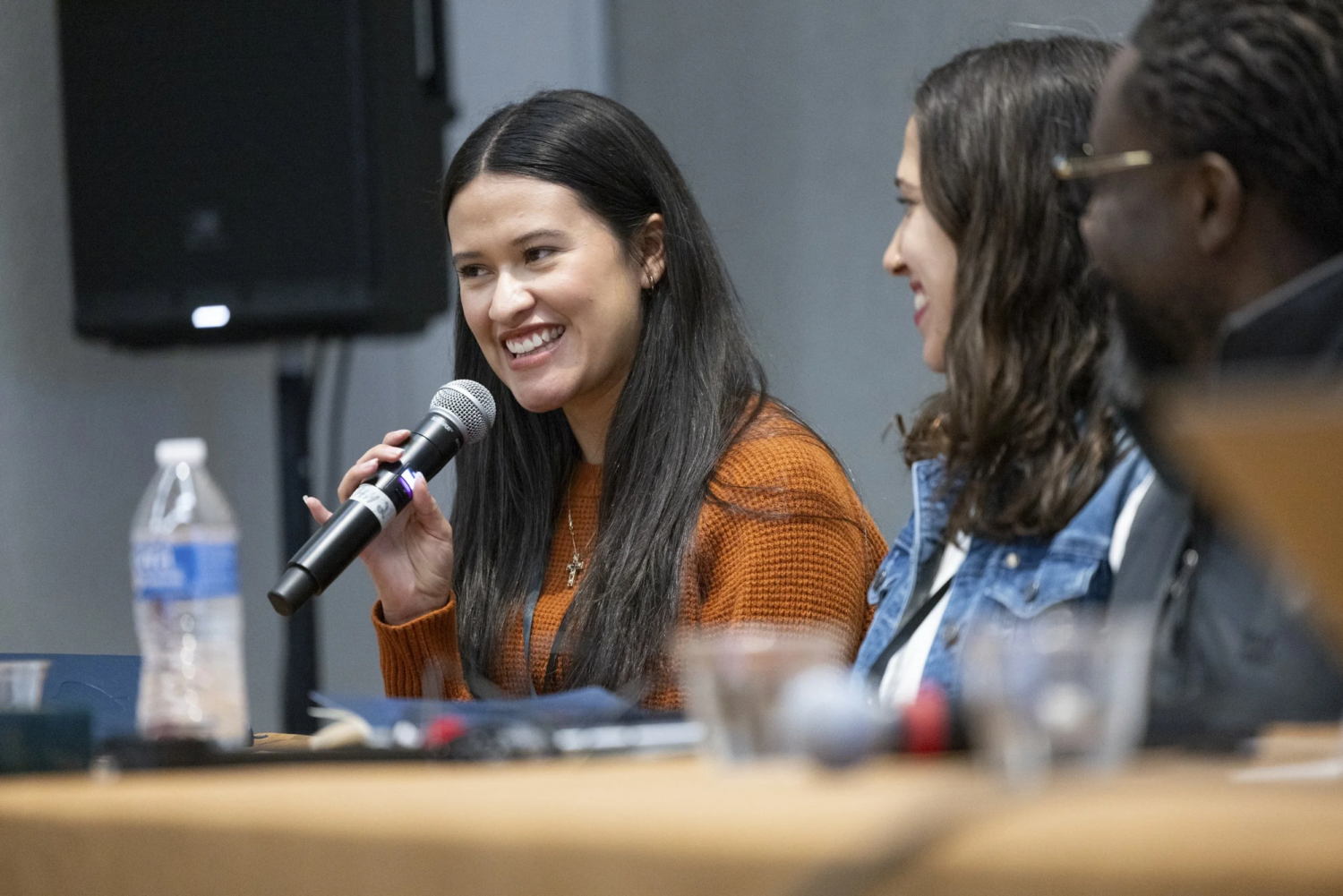
Young People Are Not Just the Future—They Are the Present
Turning Compassion Into Action: A Lifelong Fight to Protect Children
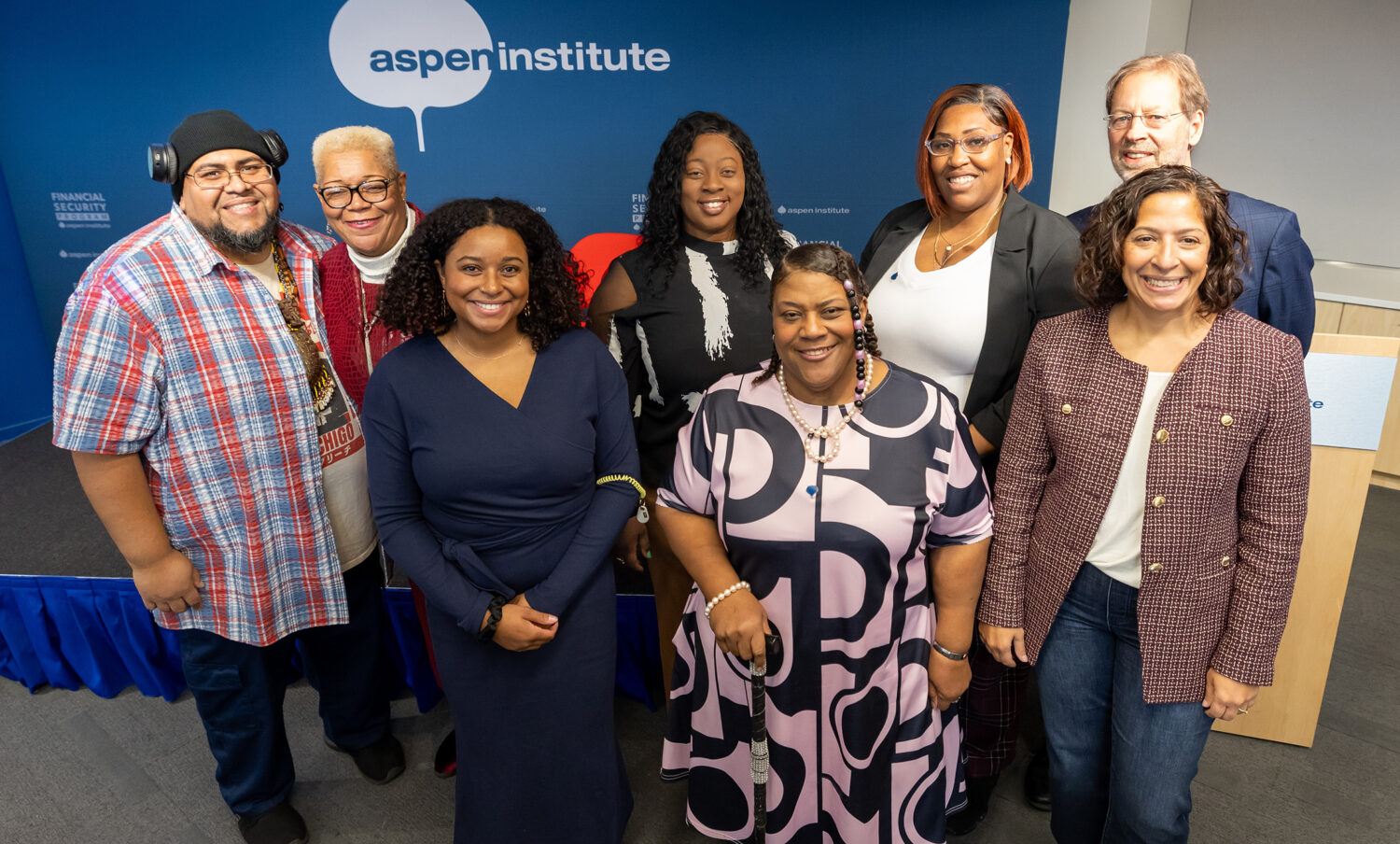
Dignity, Trust, and Legacy: What Aspen FSP’s Community Advisory Group Has Taught Me

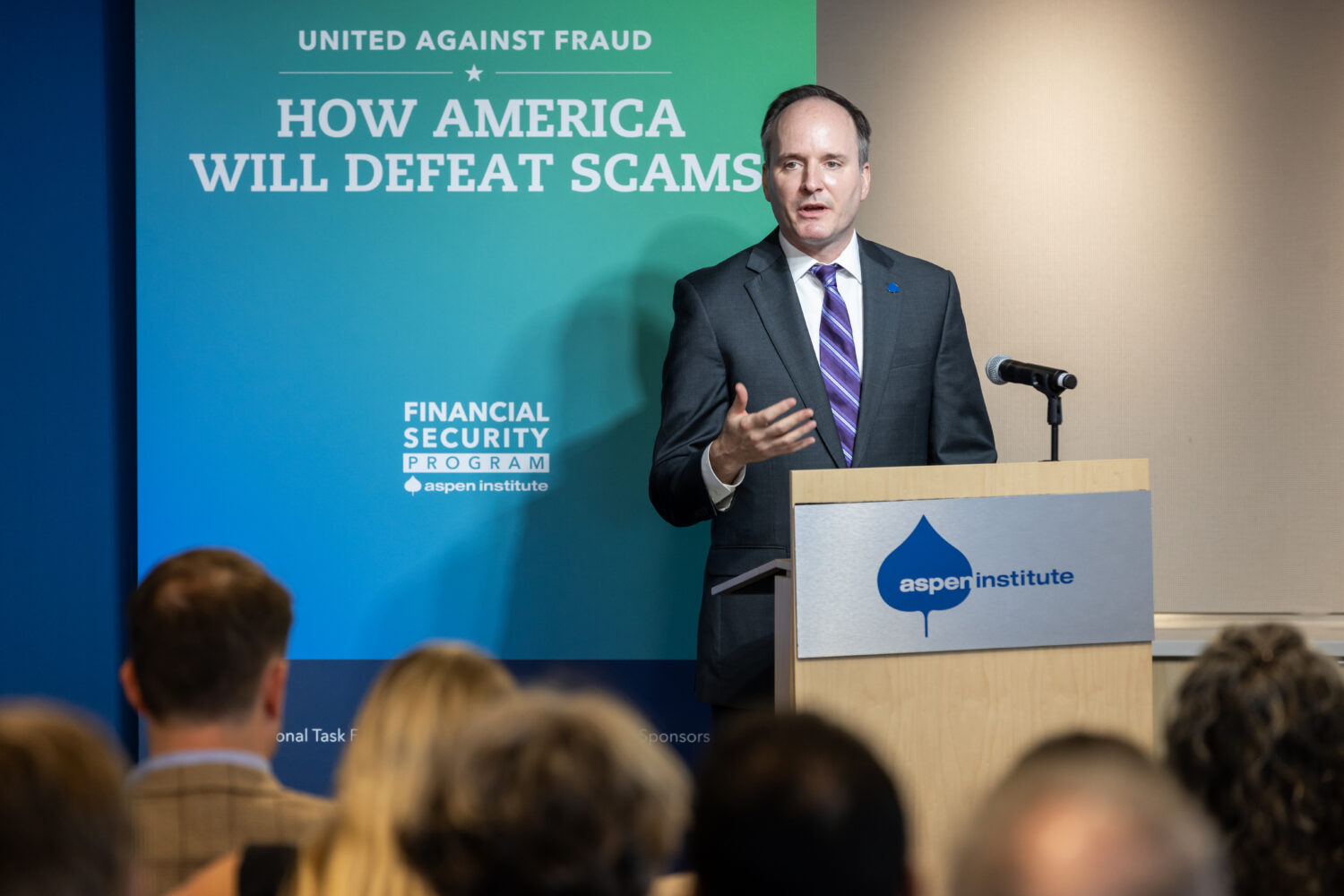
A Blueprint for Action: Lessons from the National Strategy to Prevent Scams with Nick Bourke
What Did You Learn in 2025?