Aspen is a place for leaders to lift their sights above the possessions which possess them. To confront their own nature as human beings, to regain control over their own humanity by becoming more self-aware, more self-correcting, and hence more self-fulfilling.
Walter P. Paepcke, Aspen Institute Co-Founder
Aspen Institute
Blog Posts
Weave’s Social Trust Map Picks Up Three Awards
November 18, 2025
Weave: The Social Fabric Project
Subscribe to Weave’s Newsletter
Every week, you’ll get resources on how to weave our communities and restore social trust.
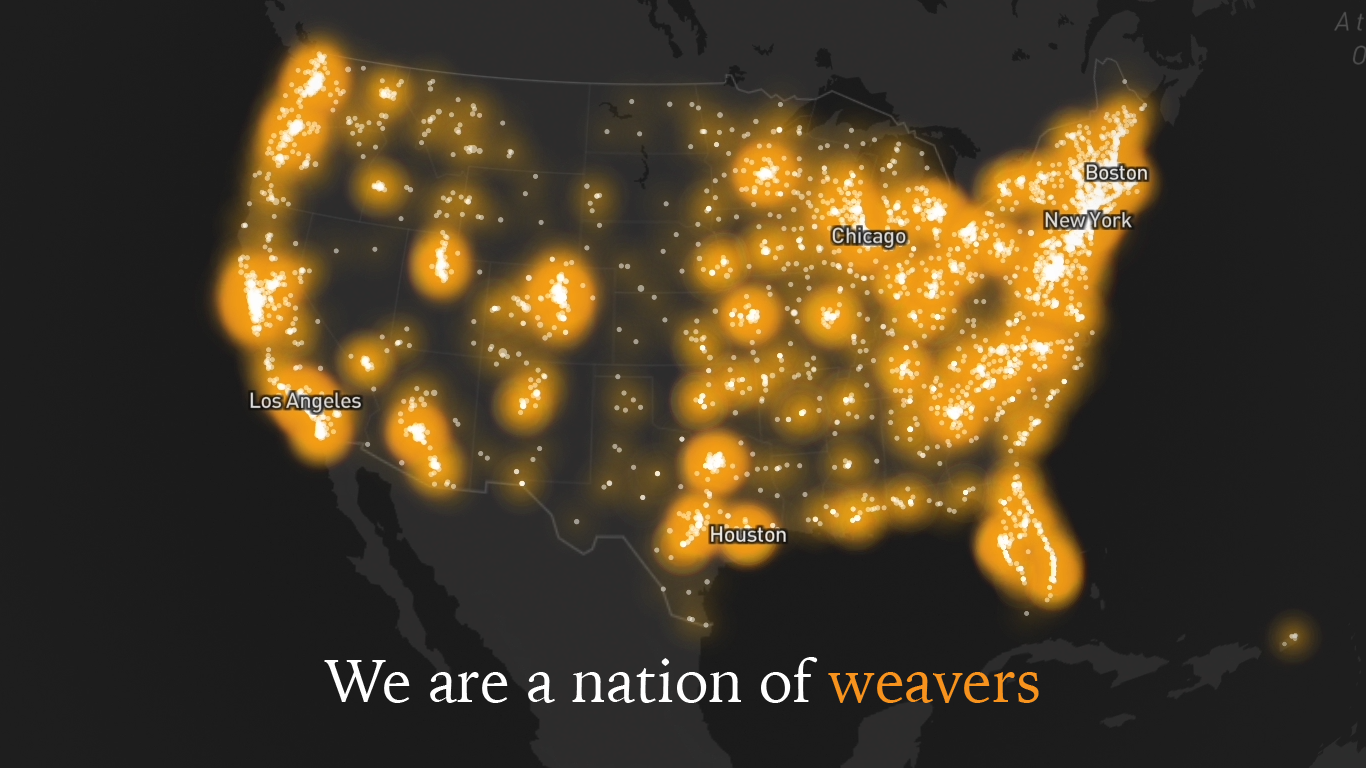
What if you knew the strength of trusting behaviors, trusting intentions, and trusting spaces in your own community? Not in your city, county, or your zip code, but in your own neighborhood? How might you use that information to create belonging and trust with your neighbors?
That’s what Weave’s Social Trust Map tells you in a four-minute, interactive experience on your phone. It shares stories of how people everywhere are quietly showing up for others where they live to restore connection and trust in our divided country. Then you pick your neighborhood on the map and see what strengths you and others can build on to weave neighbors into a tighter community.
This week, the international Webby Awards announced their picks for the best online, mission-driven work of the year. Weave’s Trust Map won three of their Anthem Awards – gold for best use of data, bronze for local community engagement, and the Community Voice award (chosen by popular vote) for offering opportunities to engage the local community in an important cause.
If you haven’t seen the Trust Map yet, explore it at WeavingTrust.org. You’ll be able to put yourself on the map as someone who cares about uniting our communities and country, and you’ll see opportunities to get involved in weaving work right where you live.
Share the map with your friends and colleagues and help Weave with its mission to create a strong new social fabric for America. When columnist and author David Brooks started Weave: The Social Fabric Project at the Aspen Institute, he aimed to heal us by inspiring a nation of weavers.
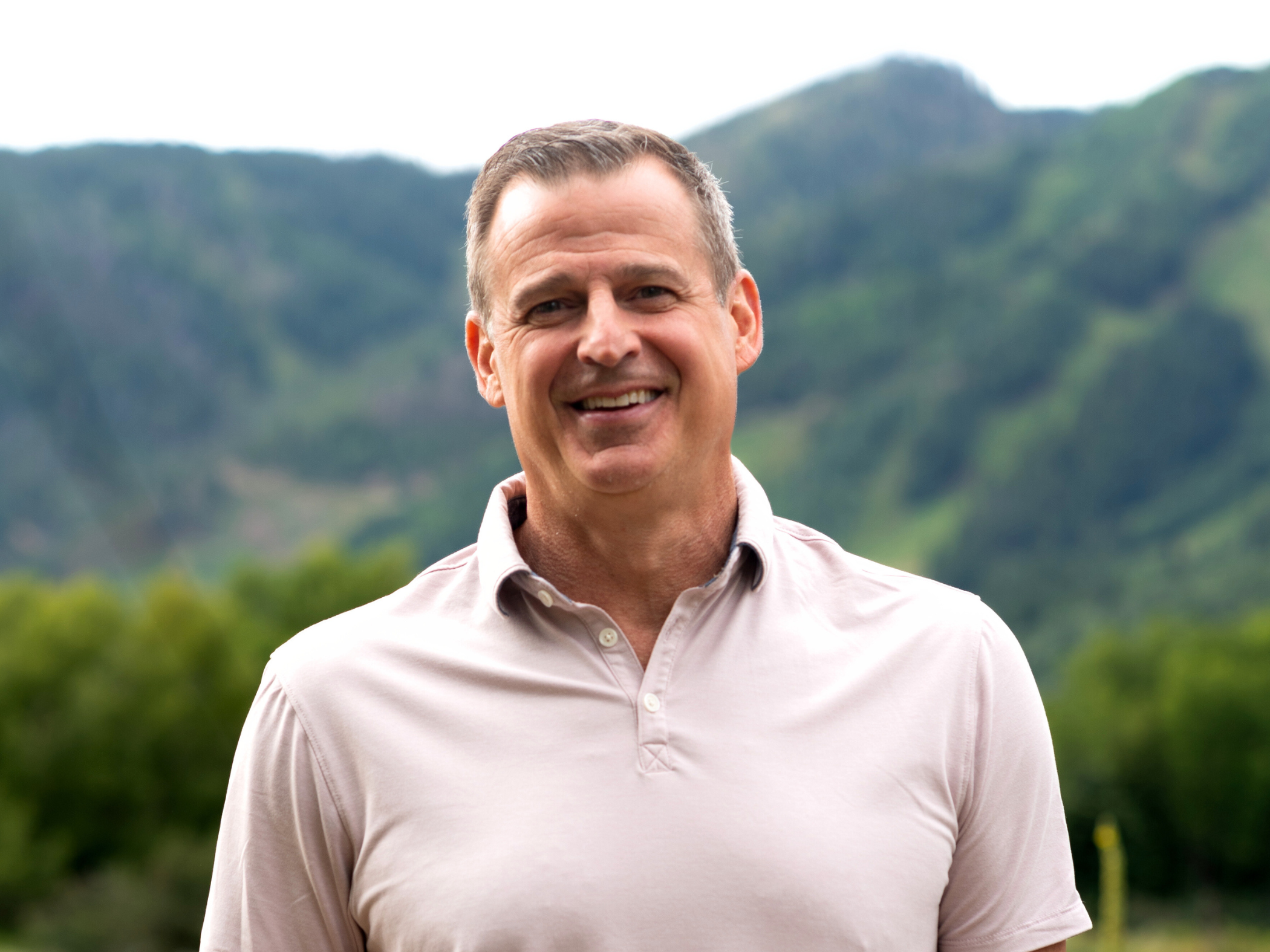
Michael O’Neil, Health Innovators Fellow, has spent the past two decades reshaping how people engage with their own health. As Founder and CEO of GetWellNetwork, he pioneered the field of Interactive Patient Care, creating technology that gives millions of patients around the world a meaningful voice in their care journey.
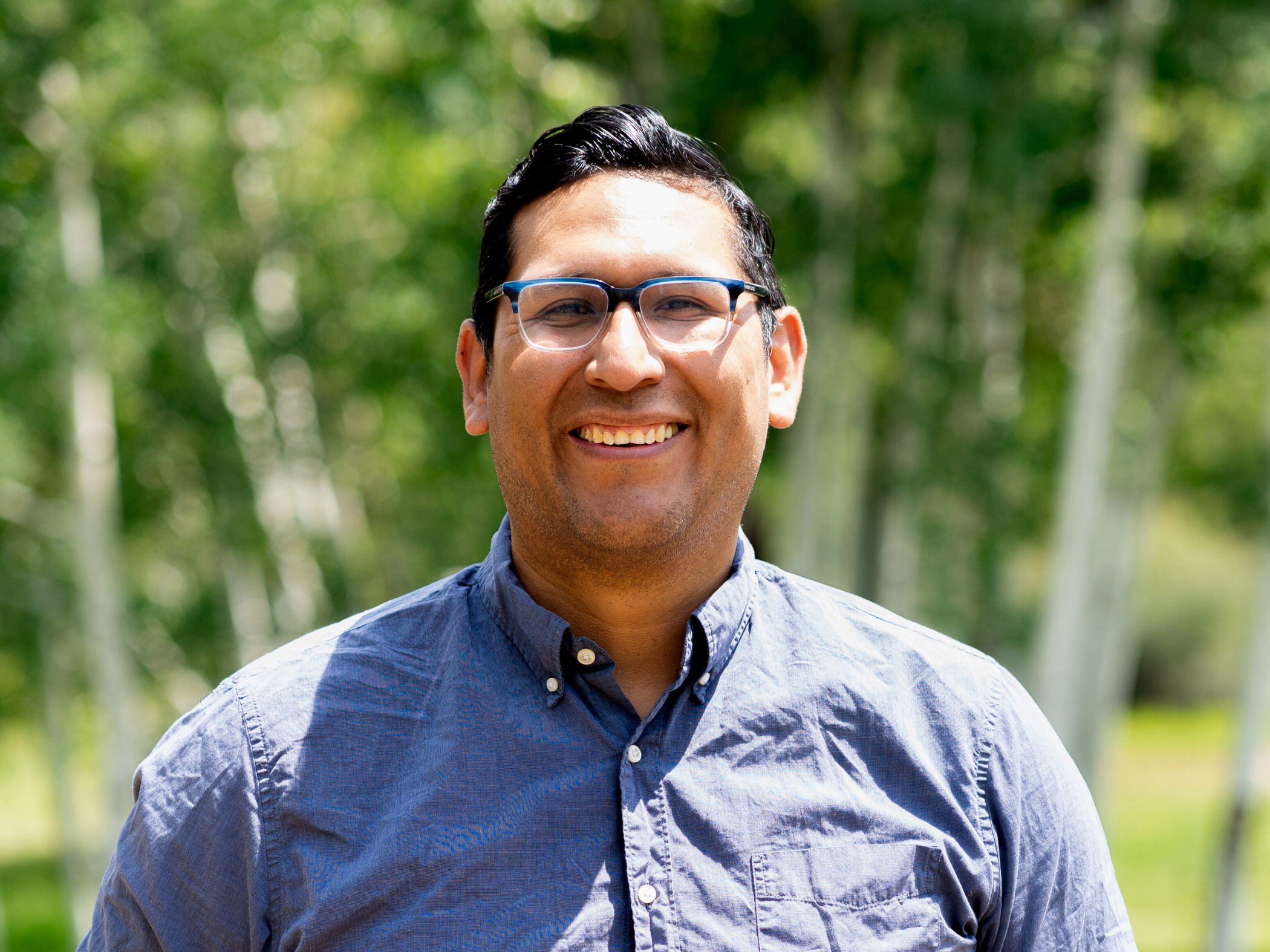
After more than a decade in public office, the question isn’t whether the work continues—it’s how. Tony Vargas, Civil Society Fellow, shares how humility, bridge-building, and values-driven leadership have shaped his journey, from elected office to the work he continues today.
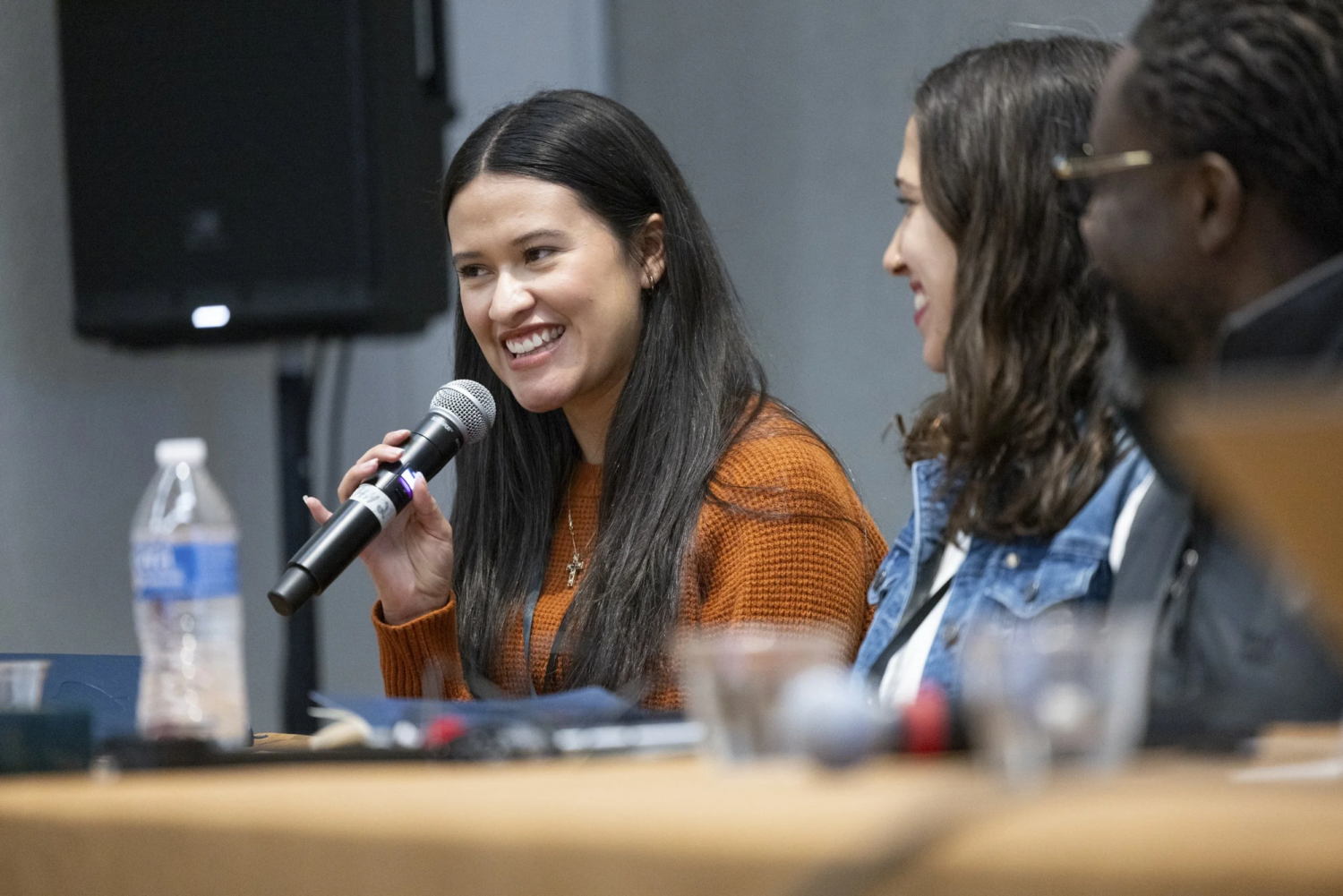
Ariana Arana Bermudez reflects on her first year as part of Aspen FSP’s Community Advisory Group and the role of young adults in advancing financial security.
Real change doesn’t always start big. Sometimes it starts with one idea — and an unwillingness to look away. Mandy Powers Norrell, Liberty Fellow, has spent her life serving the communities that shaped her, passing legislation that helped children recognize and report sexual abuse — proof that once you do one hard thing, an avalanche of change can follow.
Since 2021, Aspen FSP and our Community Advisory Group have worked to forefront lived experience of financial insecurity across our research and convenings. Learn how in this reflection by Riani Carr.
In this Q&A with Aspen FSP Fellow Nick Bourke, we go behind the scenes of National Task Force to Prevent Fraud and Scams and how it led to the an actionable strategy for multi-sector action.
Across our conversations, a single theme emerged: leaders are being asked to make decisions under conditions of heightened scrutiny, political complexity, and accelerating change.
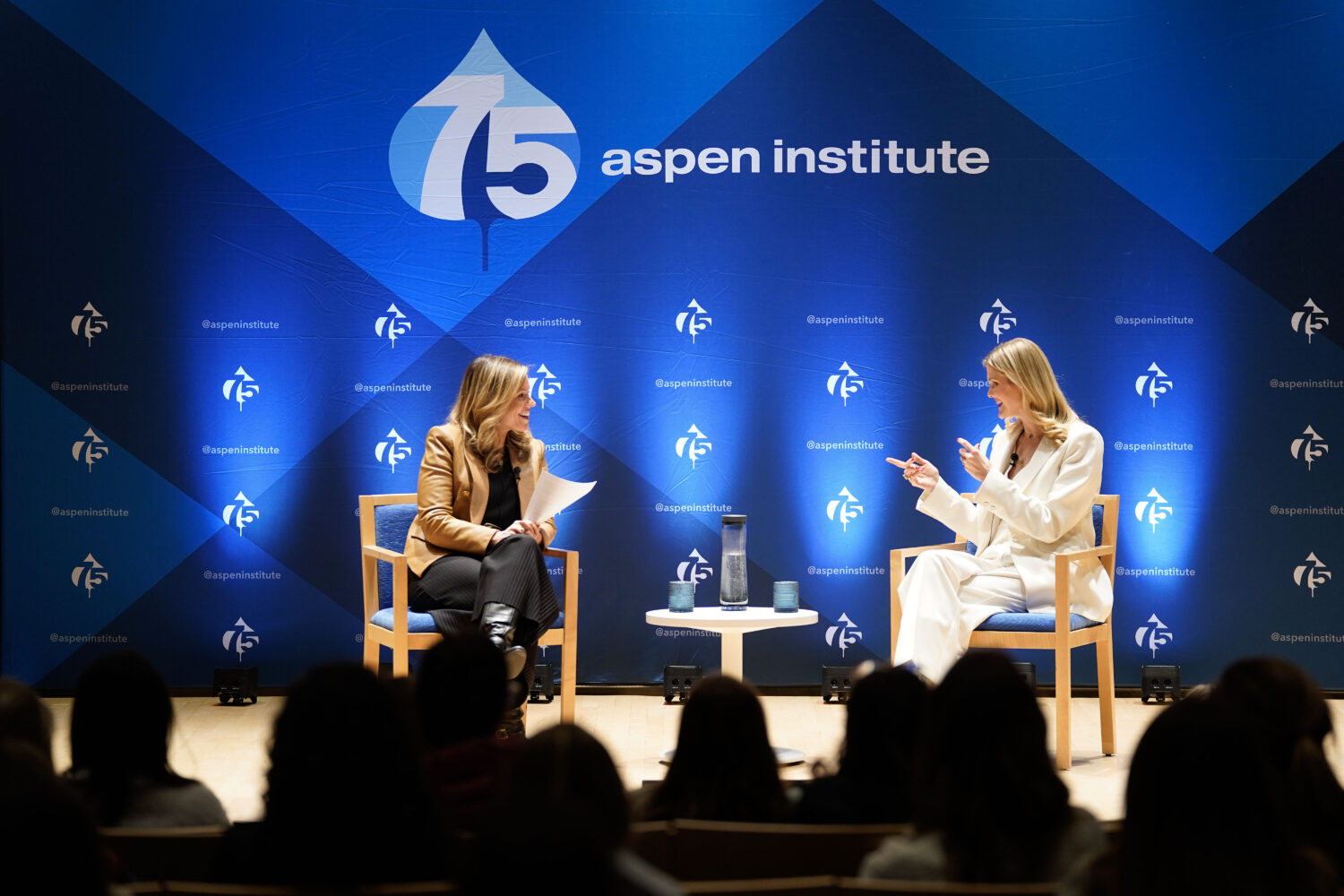
Featuring Dr. Natalie Crawford, double board-certified OB/GYN and reproductive endocrinologist, co-founder of Fora Fertility, and author of “The Fertility Formula” (April 2026), in conversation with CNN’s Pamela Brown, chief investigative correspondent and award-winning anchor of “The Situation Room.”