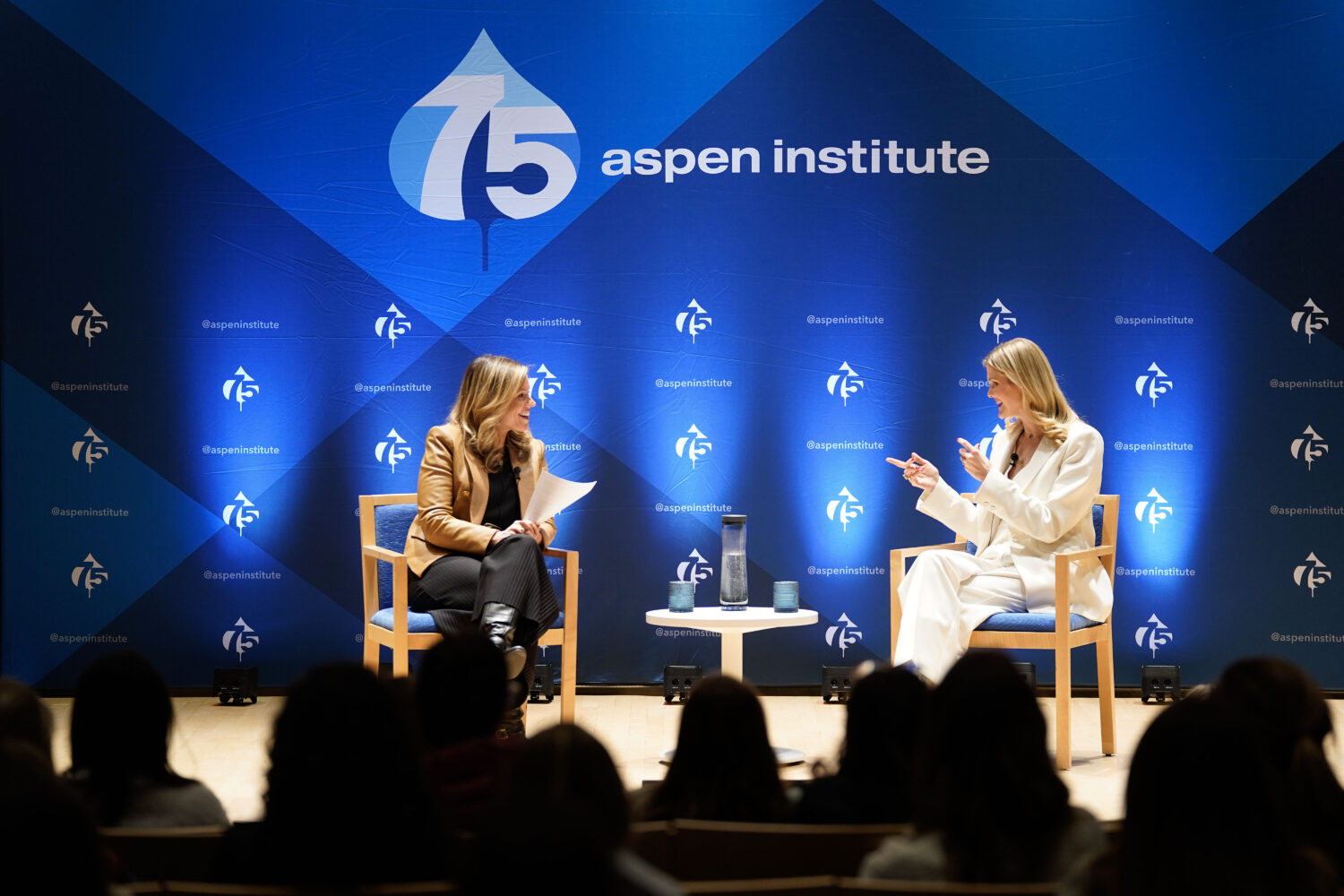
Young People Know What They Need: A Call to Recenter Students in Education Reform


Janice K. Jackson
Executive Director
When I was a school system leader, I learned one of the most valuable lessons of my career: if you want to know what’s working, and what’s not, ask the students.
Too often, education reform is something done to young people, not with them. Policymakers, administrators, and even well-intentioned leaders design initiatives based on research, budgets, and political realities, but without the lived insight of the very people who experience those decisions every day… young people.
The result? Solutions that look good on paper but fall short in classrooms, cafeterias, hallways, homes, and communities.
It’s time for that to change.
Across the country, and around the world, young people are driving a reimagined education system. They are launching tutoring networks to fill learning gaps, leading efforts to bring mental health resources to every school, designing curricula that reflect their cultures, histories, and identities, and using technology to connect across borders, share strategies, and build movements for change.
These are not extracurricular projects. They are evidence of truth we cannot ignore: students know what they need to succeed, and they are ready to take the lead.
When I served as the Chief Executive Officer of the Chicago Public Schools (CPS), one of my proudest accomplishments was working in partnership with the CPS Student Advisory Council (SAC). This was not a ceremonial body. It was a fully empowered council with influence and authority, where students researched challenges, proposed real solutions, and most importantly, saw their ideas enacted as district policy. From reforms that made discipline more restorative to student-centered safety practices, their leadership shaped decisions that impacted hundreds of thousands of their peers. The SAC reminds me every day that young people, when given authentic power, are driving real reform.
When students are involved in shaping their own education, engagement rises, innovation flourishes, and outcomes improve, not just academically, but in life readiness, civic participation, and leadership.
Reforming education without student voice is like building a house without asking the future residents for their input. It almost guarantees a poor fit.
True student-centered reform requires:
- Structures for Authentic Input. Not tokenized “student councils” without power, but real seats at the table in policy discussions, school boards, and district planning.
- Investment in Leadership Skills. Civic learning, public speaking, data literacy, and collaborative problem-solving training empower students to share the systems they’re part of.
- Partnership Across Generations. Adults bring resources and institutional knowledge; students bring lived experience and urgency. We need both to get it right.
As we start a new school year, I’m challenging educators, policymakers, and community leaders to move beyond asking, “How can we serve our students better?” and start asking, “How can we work with students to get it right?”
That means rethinking our meetings, our budgets, and our priorities so that student voice is not an afterthought, but a starting point.
It also means trusting young people with real responsibility. When students are involved in shaping their own education, engagement rises, innovation flourishes, and outcomes improve, not just academically, but in life readiness, civic participation, and leadership.
At the Education & Society Program at the Aspen Institute, and across the Center for Rising Generations, we are committed to building an ecosystem where youth leadership is the norm.
Most transformative education reforms won’t come from adults alone. They’ll come from a partnership, a co-creation, between the wisdom of experience and the insight of youth.
Young people are shaping the future as we speak. And if we’re serious about systems change, we need to follow their lead.
What do you think?
If you’re an educator, policymaker, or community leader, how are you engaging students as co-creators in your work? And if you’re a student, what do you wish the adults in your life understood about your education? Let’s keep this conversation going.

Standing in Hope and Gratitude: Leading With Vulnerability and Purpose
Bridging Divides with Humility: A Leadership Journey Rooted in Purpose

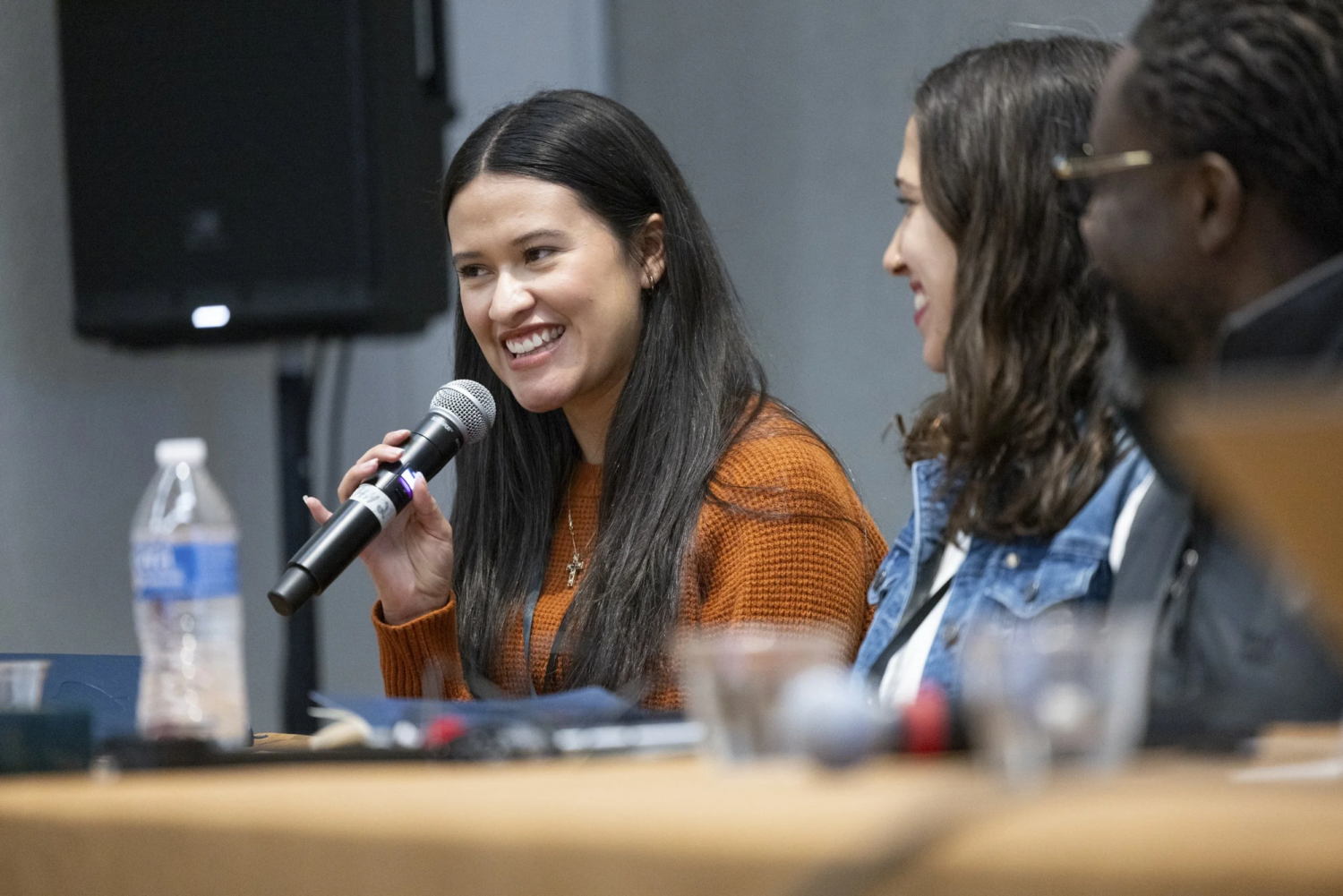
Young People Are Not Just the Future—They Are the Present
Turning Compassion Into Action: A Lifelong Fight to Protect Children
Dignity, Trust, and Legacy: What Aspen FSP’s Community Advisory Group Has Taught Me

A Blueprint for Action: Lessons from the National Strategy to Prevent Scams with Nick Bourke
What Did You Learn in 2025?