
The summer 2026 Science and Technology Policy Fellowship will run from June 1-26, 2026, virtually and in-person at Tides Converge in San Francisco. Fellows who choose to participate in the final project will do so virtually from June 29-August 24, 2026.
Important Information
- The Fellowship will run full-time from June 1-26 in a hybrid format – virtually from June 1-12 and in-person in San Francisco from June 15-26.
- Applicants must be 21 or older, be based in the US, and have science, environment, or tech expertise.
- Fellows will receive a $5,000 base stipend for participating in the program. Those who join the optional project phase will receive an additional $2,500, and top projects will be eligible for additional awards.
Application Timeline
December 18-February 5: The application is open.
Mid-March: Finalists will be notified and invited to do a video interview.
Mid-April: Fellows will be admitted.
June 1: The Fellowship starts.
Before applying, please review the information below, including details on eligibility and frequently asked questions, and consider attending one of our upcoming informational webinars on January 14 and January 29.
The Details
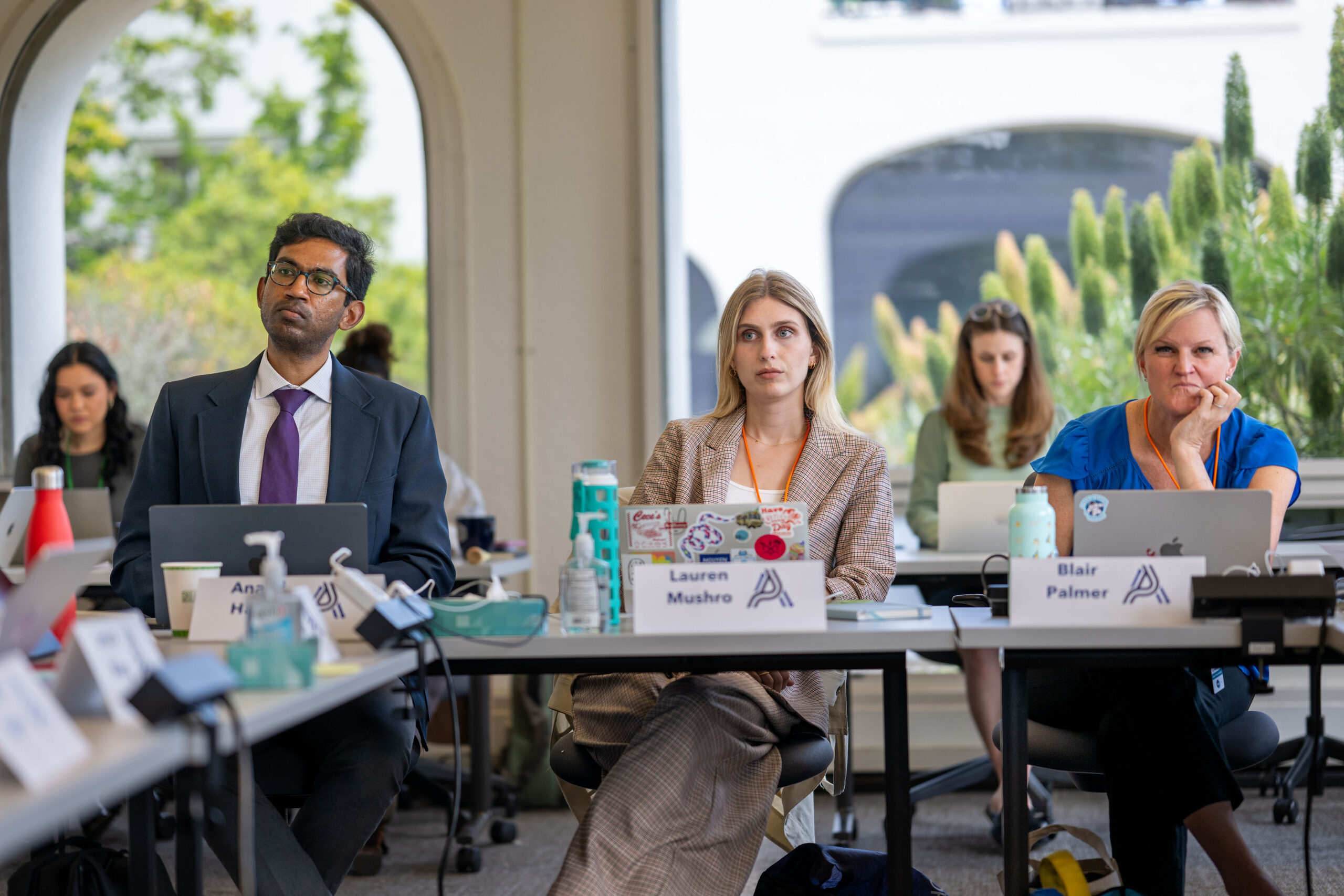
The Science and Technology Policy Fellowship teaches science and technology experts with limited policy experience how to impact policy. The Fellowship consists of: 1) a mandatory full-time policy bootcamp that teaches Fellows the basics of policymaking, including practical exercises, and 2) an optional, remote, and part-time final project.
This program is for US-based individuals with subject-matter expertise in a science and technology field. Any science and technology professional can apply, but, for the upcoming program, we will prioritize admitting those who work in one of three priority areas: emerging technology, cybersecurity, and the environment.
Accepted fellows will receive a $5,000 stipend to defray the costs of participating in the bootcamp phase of the Fellowship (e.g., food and lodging). Those who opt into and successfully complete the optional final project will be awarded an additional $2,500. Fellows whose projects are selected for publication will receive an additional $500, and those who are invited to present their work during a future demo day event will be eligible for an additional bonus stipend of up to $750.
Please note that our program provides non-lobbying advocacy training. We do not teach participants to lobby or run political campaigns. As with all of our trainings, this is a nonpartisan program, and we encourage people of all political persuasions to apply.
The Curriculum
The Science and Technology Policy Fellowship consists of: 1) a mandatory full-time policy bootcamp that teaches fellows the basics of policymaking, including practical exercises, and 2) an optional, remote, and part-time final project.
The policy bootcamp includes:
- An orientation introducing fellows to the Fellowship, the other members of their cohort, and the policymaking process;
- Regular classes exploring what policy is and how to identify problems, define alternatives, develop relevant outputs, and communicate with stakeholders; and
- Action-oriented practical exercises, such as “how to write a policy memo” and “how to give an elevator pitch,” founded on real-world problems provided by our partners.
Fellows then have the opportunity to work remotely, for a minimum of 10-12 hours a week, on a final project. Fellows who choose to complete this project are required to create a suite of substantive policy outputs (e.g., draft regulations, toolkits for policymakers, white papers, op-eds, an app, etc.) and present them to policymakers. Fellows do not need to decide whether they would like to participate in the project phase until the policy bootcamp begins. See past fellow projects here.
Learn more about eligibility, read FAQs, and register for the Informational Webinars on the Aspen Policy Academy’s page.