Aspen is a place for leaders to lift their sights above the possessions which possess them. To confront their own nature as human beings, to regain control over their own humanity by becoming more self-aware, more self-correcting, and hence more self-fulfilling.
Walter P. Paepcke, Aspen Institute Co-Founder
Aspen Institute
Around the Institute | Winter 2017, IDEAS Article, and Longform
This year, Aspen Words presented some of the best writers of contemporary literature at its annual Winter Words author series and Summer Words writing conference. Authors of fiction, memoir, and poetry shared their take on literature’s role in society, the impact of history on storytelling, and their best advice for aspiring writers. Below are just a few highlights.
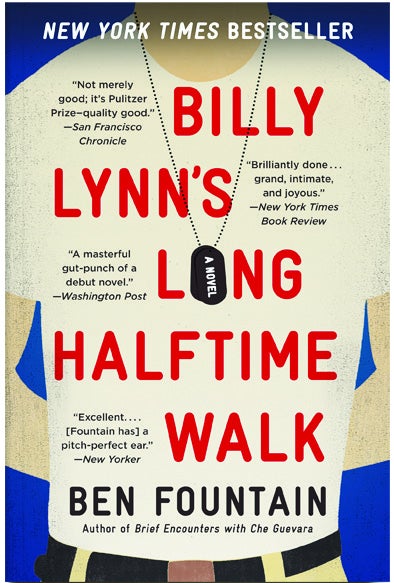
“In the age of not only fake news but fake everything else, we need literary writing more than ever, because that’s the kind of writing that by definition is trying to depict the human condition as accurately as possible with all the layers of complexity, ambiguity, confusion, and uncertainty that go into human experience.”
—Ben Fountain, Summer Words 2017 faculty and author of Billy Lynn’s Long Halftime Walk
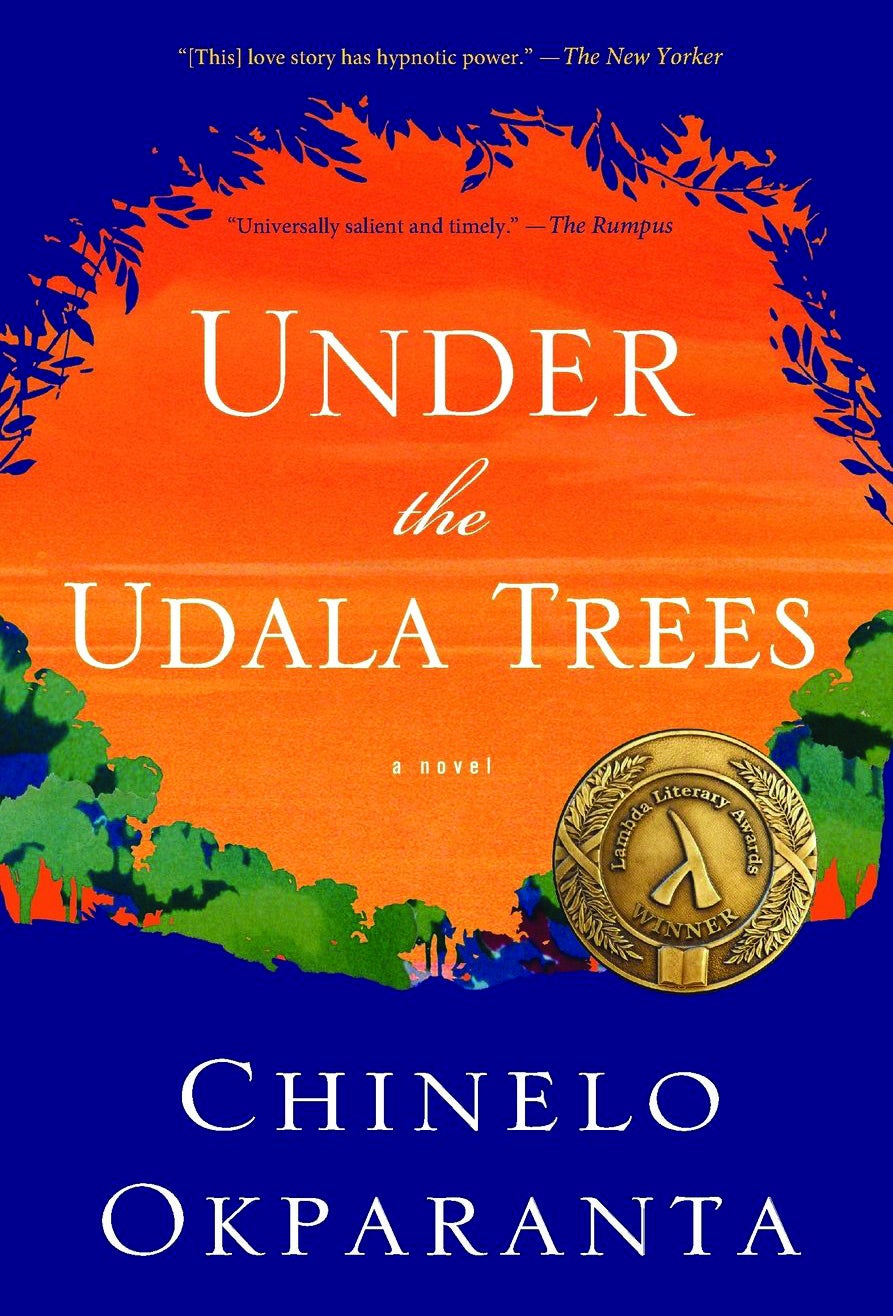
“People who put words on the page have to be careful, because those words have power. Words on the page can give someone license not only to hate but to carry out the act of hatred.”
—Chinelo Okparanta, Summer Words 2017 faculty and author of Under the Udala Trees
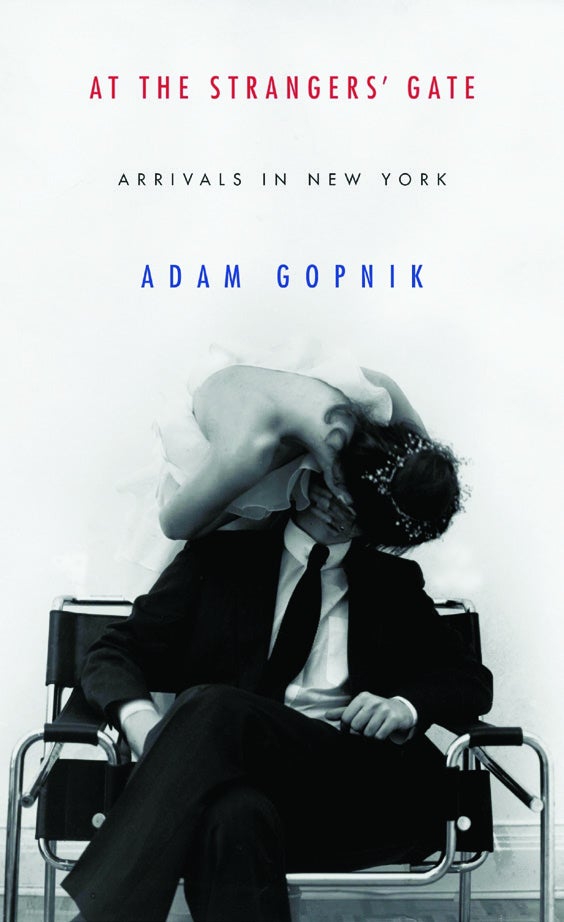
“Life fires a storm of emotion at us every day, and we have to try and organize it in some way. That’s what writers do.”
—Adam Gopnik, Winter Words 2017 and author of At the Stranger’s Gate
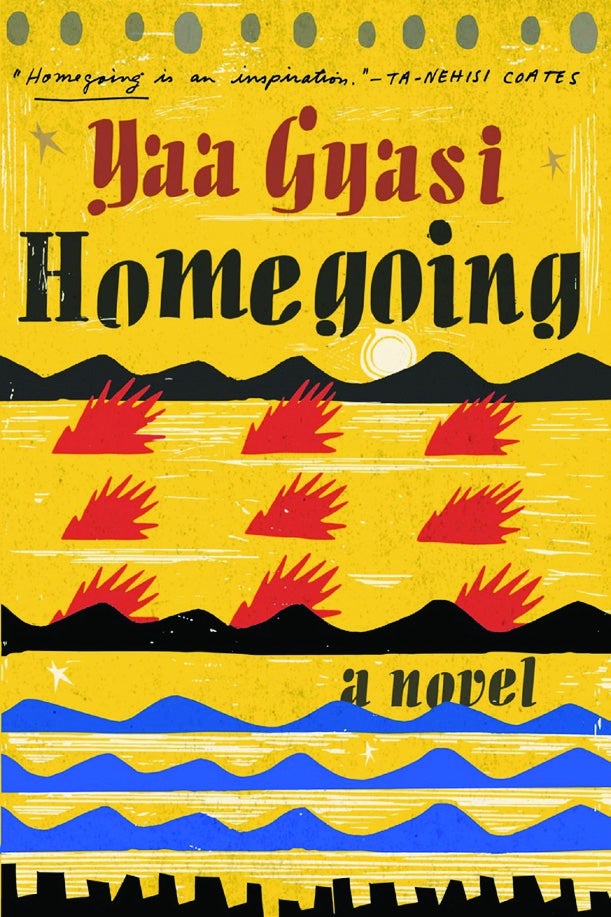
“For every horrible thing that happens in the book, there’s an equal or worse thing that happened to a real person. You can’t lose sight of that.”
—Yaa Gyasi, Winter Words 2017 and author of Homegoing
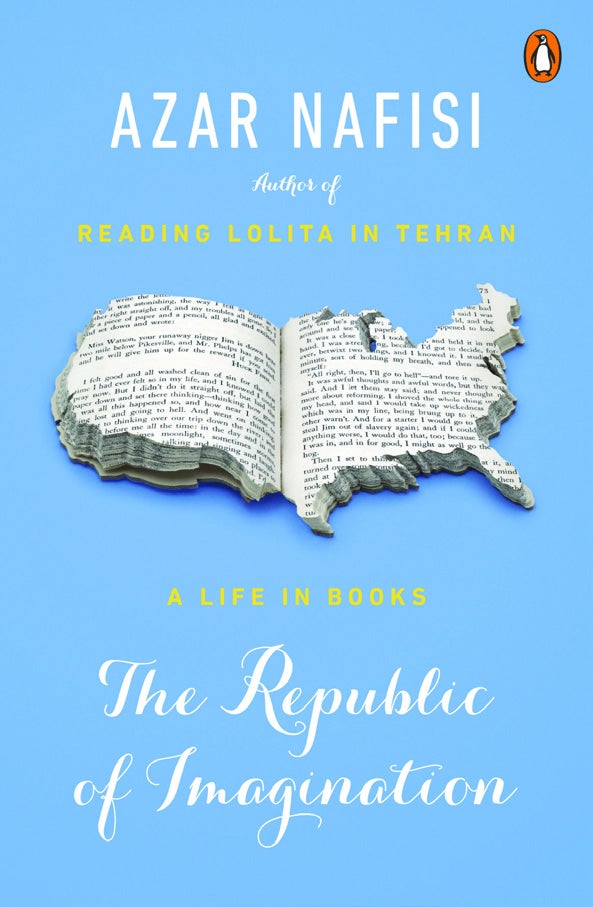
“When you go into a bookstore, you see democracy at work, because the first rule of being a great writer is giving voice to people unlike you.”
—Azar Nafisi, Winter Words 2017 and author of The Republic of Imagination
“The story wasn’t so much as hidden as it was unseen. I needed the story. Not the history. The story.”
—Margot Lee Shetterly, Aspen Words Summer Benefit 2017 and author of Hidden Figures
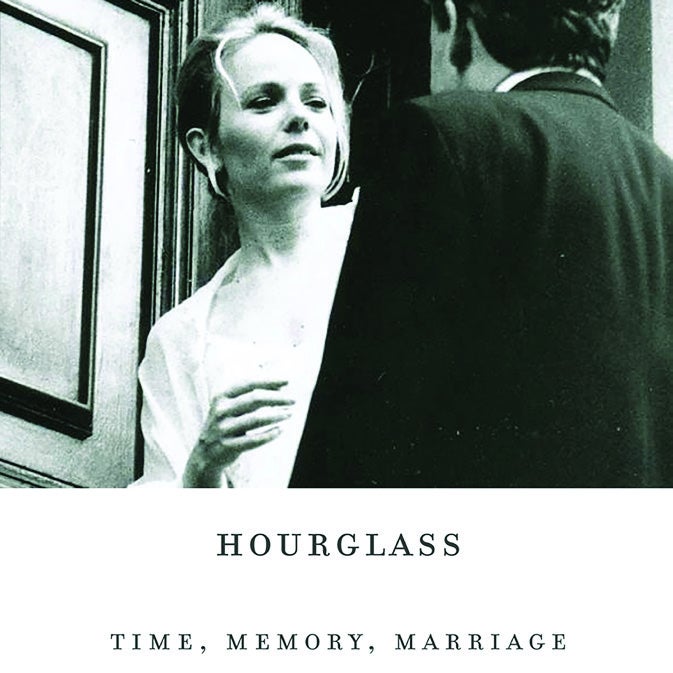
“If I only sat down to write when I felt inspired, I’d only have a haiku to my name.”
—Dani Shapiro, Summer Words 2017 faculty and author of Hourglass
Related
LongformPublicationsSection 4: Strengthening Practices to Improve Job Quality
While the rideshare apps have increased convenience, they’ve eroded job quality. See how the Drivers’ Cooperative is helping to end exploitative conditions.
UWU, led by Job Quality Fellow Neidi Dominguez, engages unemployed/underemployed workers, a population that has not been mobilized at scale since the 1930s.
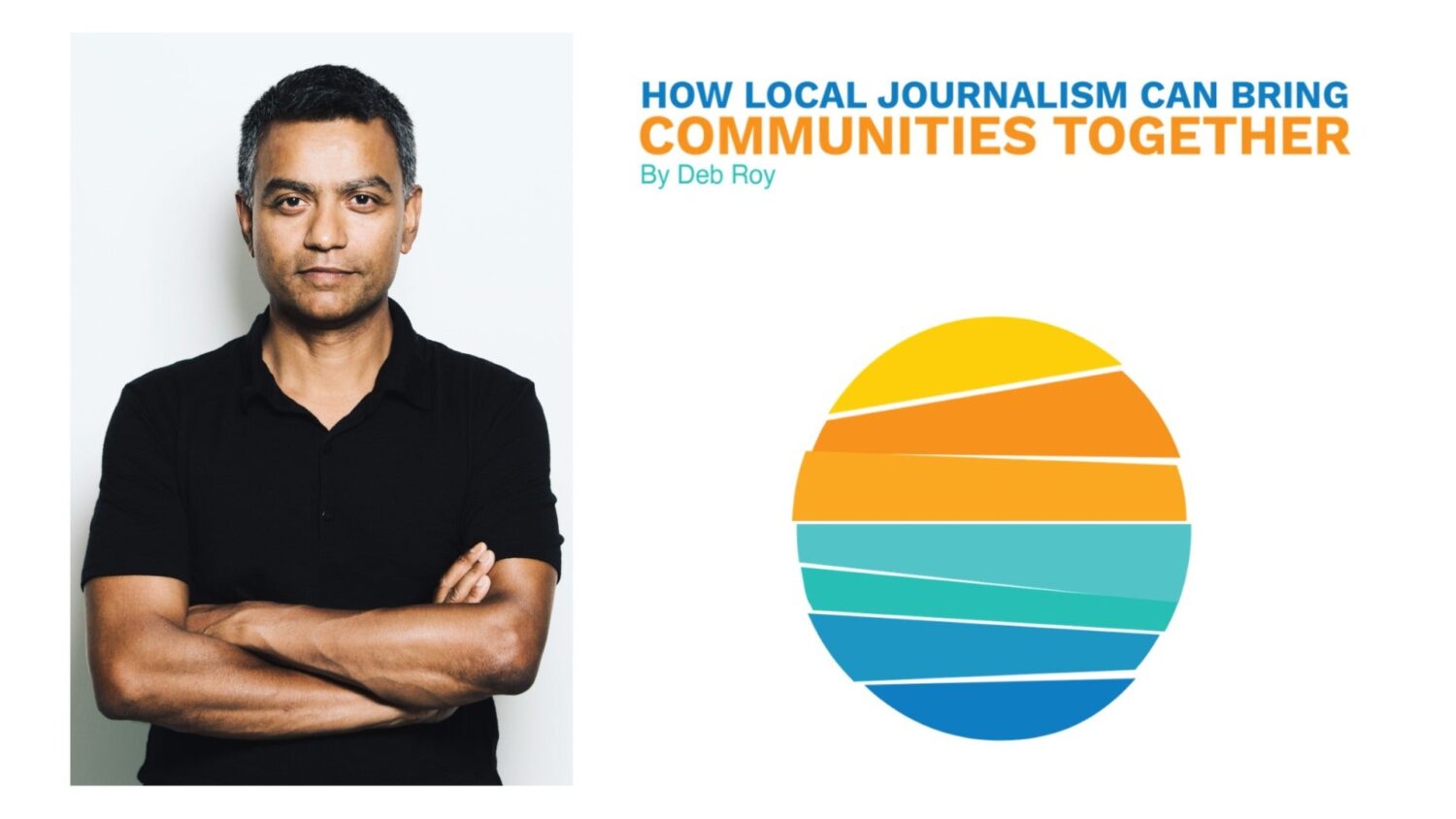
MIT Center for Constructive Communication Director Deb Roy explains how the caricatures Republicans and Democrats paint of each other diverge from reality, and the ways local newsrooms can leverage their “trust capital” and emerging technology to promote listening and understanding amid disagreement.