
On April 16, during a daylong virtual celebration, Christy Lefteri was named winner of the Aspen Words Literary Prize for her novel The Beekeeper of Aleppo, about Syrian refugees in Great Britain. Mary Louise Kelly, the co-host of NPR’s All Things Considered, and the 2020 judges Esmeralda Santiago, Alexander Chee, and Amy Garmer conducted a Zoom conversations with Lefteri and the four other finalists: Brian Allen Carr, the author of Opioid, Indiana; Nicole Dennis-Benn, the author of Patsy; Valeria Luiselli, the author of Lost Children Archive; and Bryan Washington, the author of Lot. The books include one story collection and four novels, and explore issues of immigration, drug addiction, homophobia, and income inequality among other entrenched social ills. This year’s jury included Santiago, a best-selling memoirist and novelist who served as head judge; Chee, an acclaimed author and an associate professor of English and creative writing at Dartmouth College; Garmer, the founding director of the Institute’s Dialogue on Public Libraries; Saeed Jones, a memoirist and a National Book Critics Circle Award finalist for poetry; and Helen Obermeyer, a longtime Aspen Words supporter and a board member of the legal-aid organization Alpine Legal Services. Lefteri received a $35,000 cash prize—one of the largest in the United States for a literary work and one of the only prizes dedicated to fiction with social impact.
Christy Lefteri Wins Aspen Words Literary Prize


Publications Section 4: Strengthening Practices to Improve Job Quality
Tools: Employee Ownership
View tools and resources related to employee ownership.
Job Quality Fellows Profile Series Longform
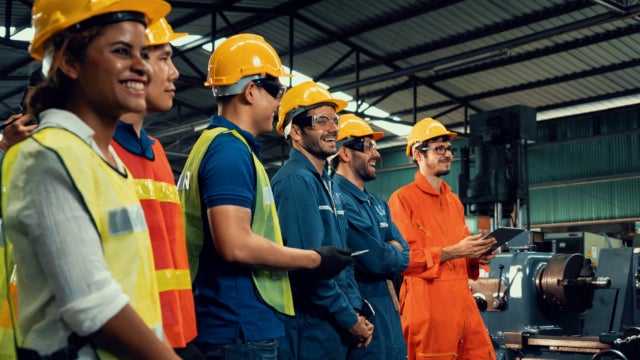
Centering Workers in Workforce Development
The Chicagoland Workforce Funder Alliance collaborates with employers and stakeholders to boost employment, earnings, and equity for local workers.

Job Quality Fellows Profile Series Longform
Lessons and Leadership To Foster Economic Justice for Illinois Workers
LEP trains workers to promote equity, enforce rights, build unions, develop leaders, ensure workplace safety, and advance economic justice.

Job Quality Fellows Profile Series Longform
Worker Owned and Worker Driven
While the rideshare apps have increased convenience, they’ve eroded job quality. See how the Drivers’ Cooperative is helping to end exploitative conditions.

Job Quality Fellows Profile Series Longform
Creating Employee-Owned Businesses That Provide Good Jobs and Succeed
Through employee ownership, The Industrial Commons is building a new Southern working class that erases the inequities of generational poverty.

Job Quality Fellows Profile Series Longform
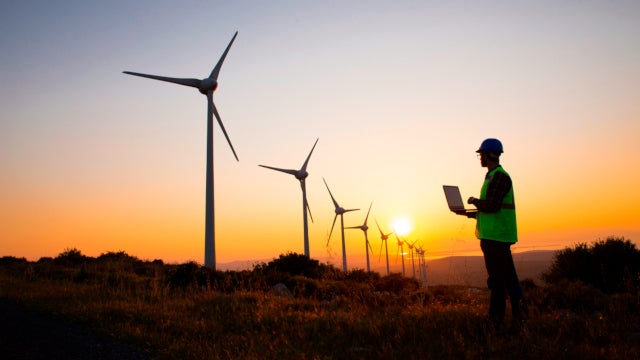
Strengthening the Hidden Resilience Workforce
We see the effects of climate change, but we rarely see the people who help to rebuild — and they often lack safe conditions, decent pay, or benefits.
Job Quality Fellows Profile Series Longform
Advancing a Pro-Worker, Pro-Climate Agenda in Texas
The Texas Climate Jobs Project advances a pro-worker, pro-climate agenda — helping to solve the climate crisis while creating millions of good jobs.

Job Quality Fellows Profile Series Longform
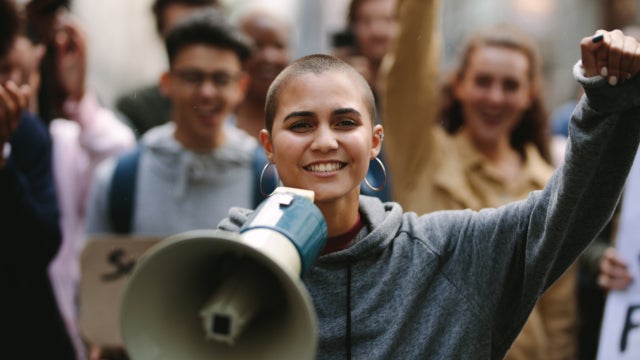
Organizing and Coalition Building for Structural Change
LAANE, led by Job Quality Fellow Roxana Tynan, is fighting to build an economy rooted in good jobs, thriving communities, and a healthy environment.
Job Quality Fellows Profile Series Longform
Organizing Unemployed and Underemployed Workers
UWU, led by Job Quality Fellow Neidi Dominguez, engages unemployed/underemployed workers, a population that has not been mobilized at scale since the 1930s.
Longform
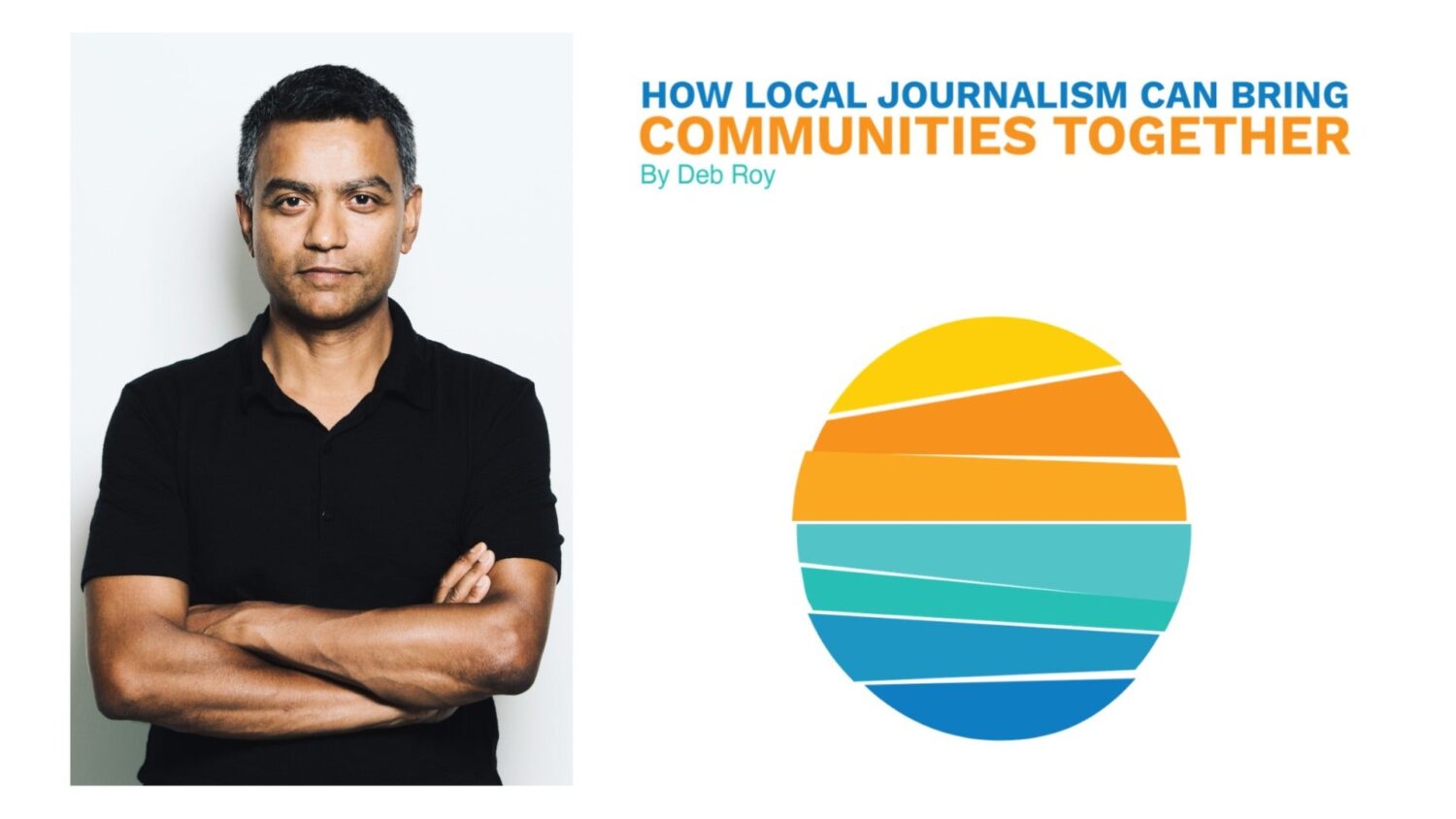
How Local Journalism Can Bring Communities Together
MIT Center for Constructive Communication Director Deb Roy explains how the caricatures Republicans and Democrats paint of each other diverge from reality, and the ways local newsrooms can leverage their “trust capital” and emerging technology to promote listening and understanding amid disagreement.