
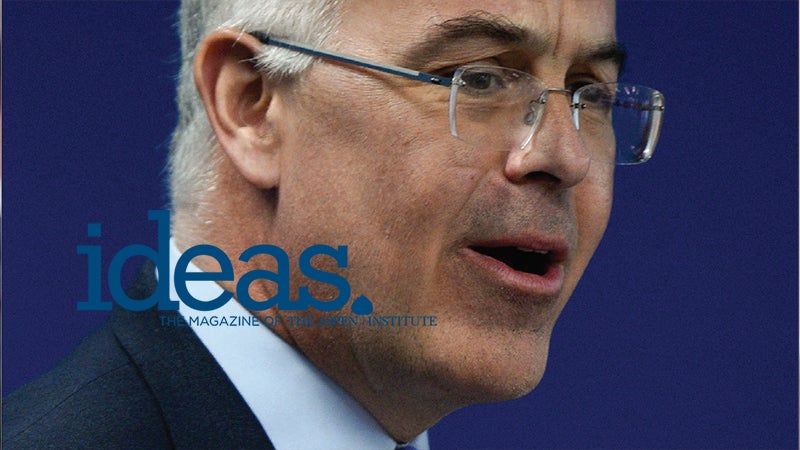
“What we see is a society riven by valleys and ravines and division,” New York Times columnist David Brooks said before an audience of Institute employees. “The people in this organization happen to be in the bridge-building business.” And now he is, too. Brooks is joining the Institute to head a new initiative aimed at understanding and reducing the growing fragmentation and alienation across the United States. He highlighted the work several Institute programs are already doing on the ground: the Community Strategies Group equips local leaders in rural regions; the Center for Native American Youth tackles the unique challenges facing young Native people; The Bridge explores race, identity, and inclusion; the Citizenship and American Identity Program focuses on the idea of vibrant citizenship; and the Aspen Challenge asks students to solve their communities’ toughest problems. Brooks will spearhead new workshops across America to help find commonalities and to uplift those working hard for positive change. Institute CEO Dan Porterfield praised Brooks’s commitment to Aspen’s core mission. “How can we as an organization contribute to the restoration of a sense of togetherness, national hope, and practical optimism?” he asked. “David Brooks is going to work with all of us to make a difference for America.” Given the divisive state of the country, it’s not an easy road—but it’s one Brooks is prepared for. “The core problem is a crisis of social solidarity, a crisis of fragmentation,” Brooks, who will continue to write his Times column, said. “What’s the purpose of our country? What is the thing that unites us?”
aspeninstitute.org/our-people/david-brooks
David Brooks Joins the Institute

Publications Section 4: Strengthening Practices to Improve Job Quality
Tools: Employee Ownership
View tools and resources related to employee ownership.
Job Quality Fellows Profile Series Longform
Centering Workers in Workforce Development
The Chicagoland Workforce Funder Alliance collaborates with employers and stakeholders to boost employment, earnings, and equity for local workers.

Job Quality Fellows Profile Series Longform
Lessons and Leadership To Foster Economic Justice for Illinois Workers
LEP trains workers to promote equity, enforce rights, build unions, develop leaders, ensure workplace safety, and advance economic justice.

Job Quality Fellows Profile Series Longform
Worker Owned and Worker Driven
While the rideshare apps have increased convenience, they’ve eroded job quality. See how the Drivers’ Cooperative is helping to end exploitative conditions.

Job Quality Fellows Profile Series Longform
Creating Employee-Owned Businesses That Provide Good Jobs and Succeed
Through employee ownership, The Industrial Commons is building a new Southern working class that erases the inequities of generational poverty.

Job Quality Fellows Profile Series Longform
Strengthening the Hidden Resilience Workforce
We see the effects of climate change, but we rarely see the people who help to rebuild — and they often lack safe conditions, decent pay, or benefits.

Job Quality Fellows Profile Series Longform
Advancing a Pro-Worker, Pro-Climate Agenda in Texas
The Texas Climate Jobs Project advances a pro-worker, pro-climate agenda — helping to solve the climate crisis while creating millions of good jobs.

Job Quality Fellows Profile Series Longform
Organizing and Coalition Building for Structural Change
LAANE, led by Job Quality Fellow Roxana Tynan, is fighting to build an economy rooted in good jobs, thriving communities, and a healthy environment.
Job Quality Fellows Profile Series Longform
Organizing Unemployed and Underemployed Workers
UWU, led by Job Quality Fellow Neidi Dominguez, engages unemployed/underemployed workers, a population that has not been mobilized at scale since the 1930s.
Longform
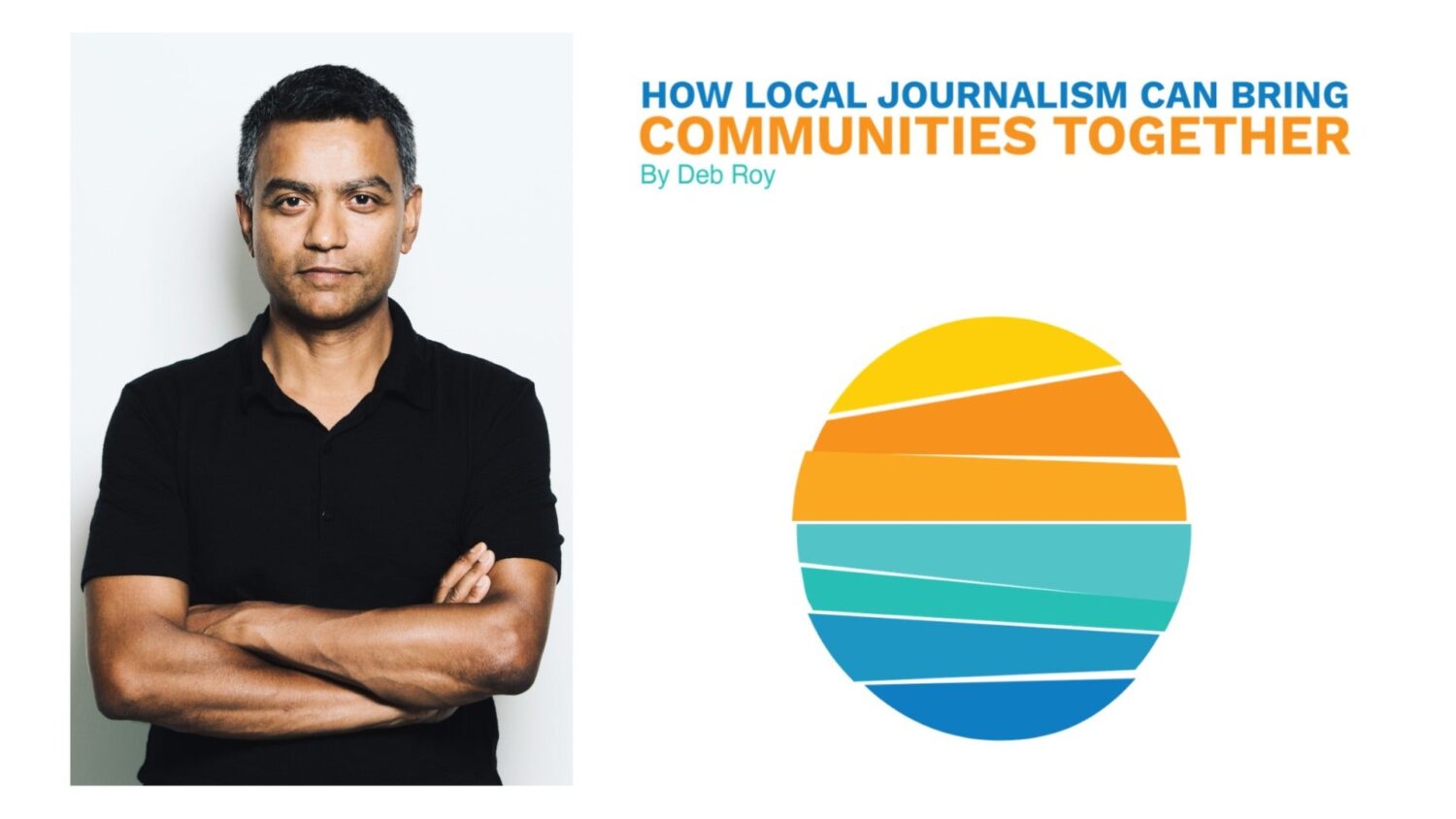
How Local Journalism Can Bring Communities Together
MIT Center for Constructive Communication Director Deb Roy explains how the caricatures Republicans and Democrats paint of each other diverge from reality, and the ways local newsrooms can leverage their “trust capital” and emerging technology to promote listening and understanding amid disagreement.