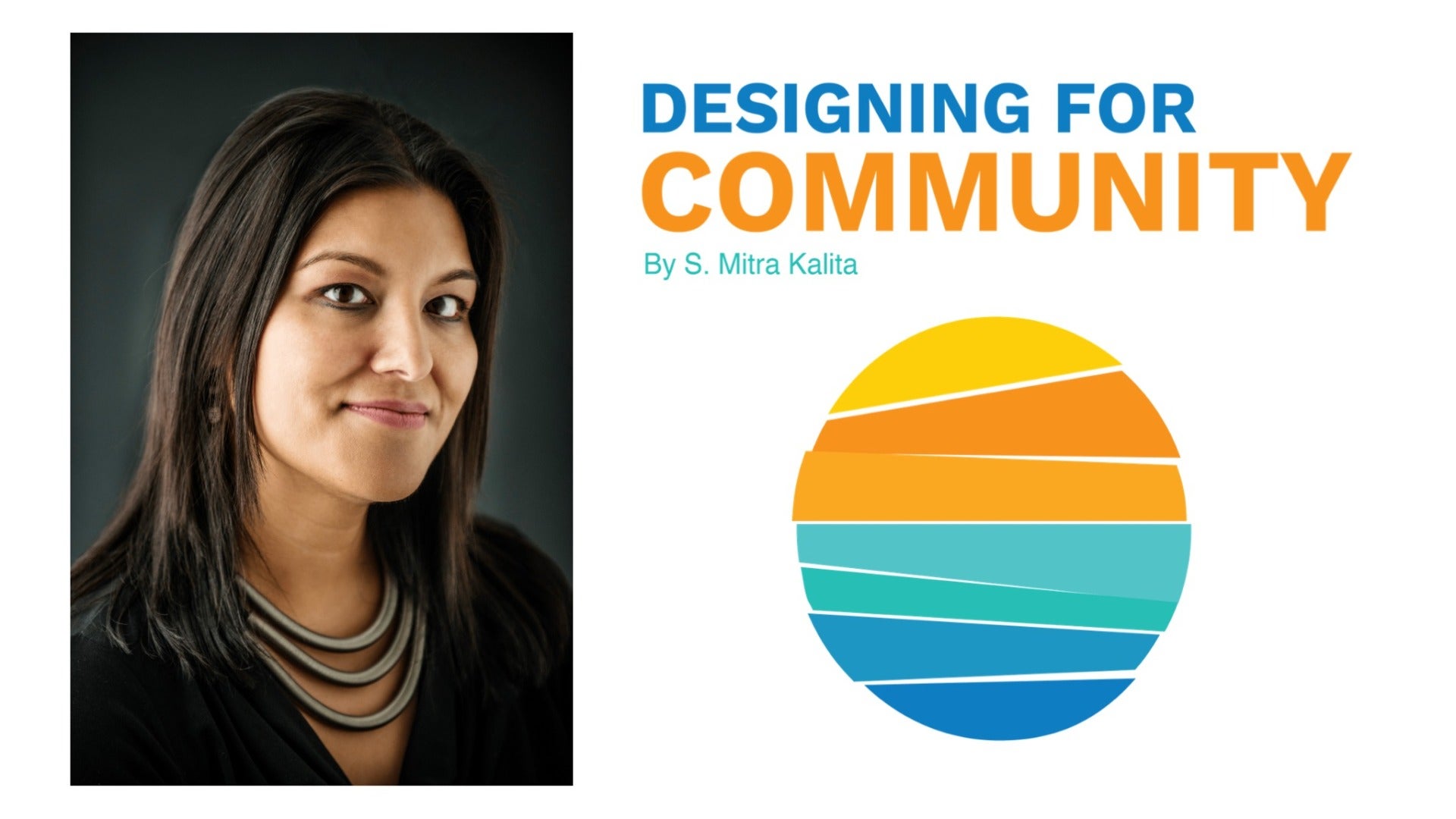
DESIGNING FOR COMMUNITY
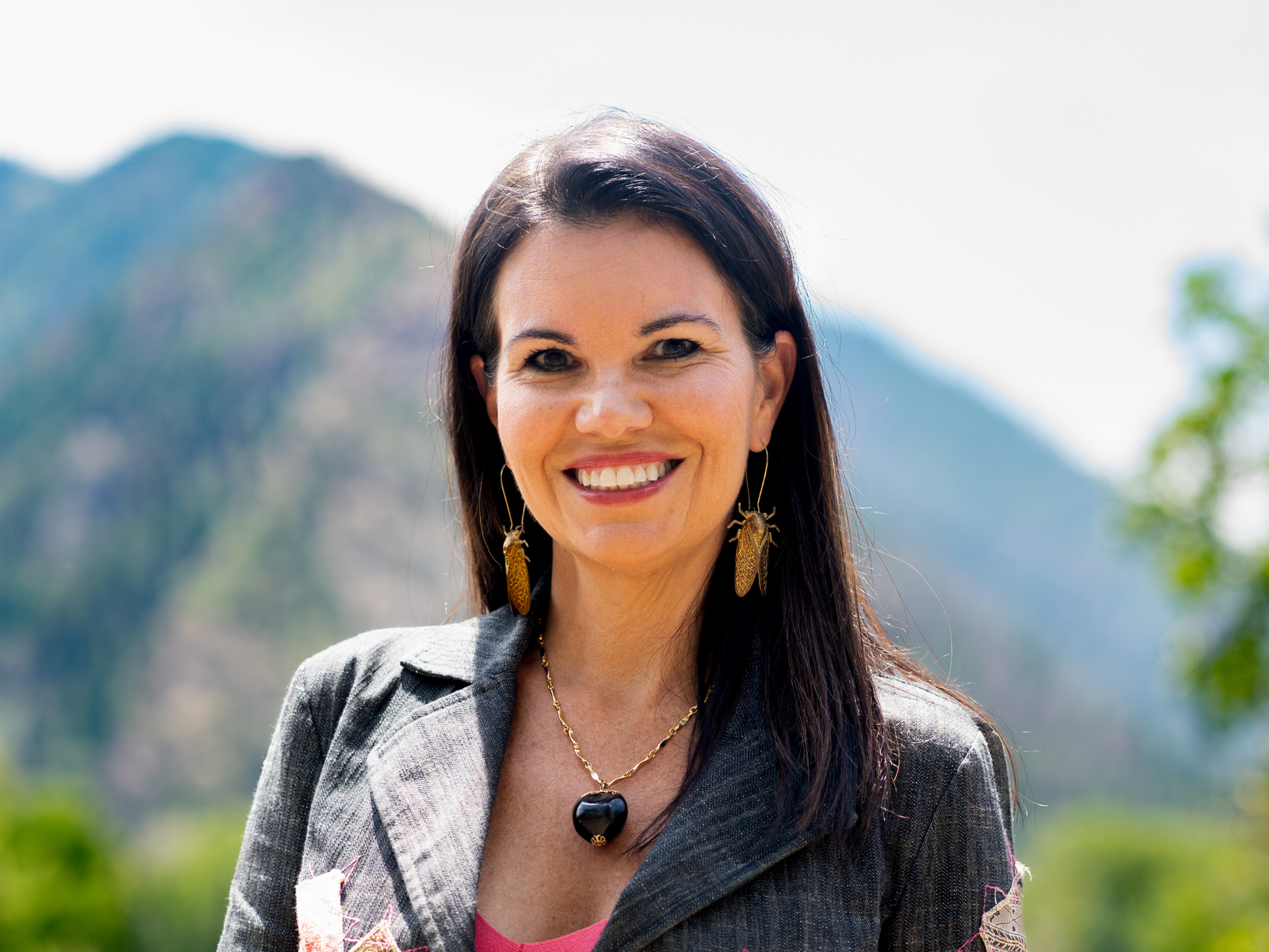
By S. Mitra Kalita, CEO, URL Media; Board Director, The Philadelphia Inquirer
I spent most of my career in mainstream media. I come from a background of moving from one local market to the next bigger market and on and on. I have truly worked everywhere. I also happen to live in Jackson Heights, a neighborhood in Queens, New York that was very hard hit by the pandemic. In the spring of 2020, my husband and I found ourselves often turned to by members of the community seeking help, whether it was PPP loans or a Covid test. And so, while I was still at CNN, we launched as a side hustle a newsletter called Epicenter to amplify these needs and connect folks to each other and services. Eventually, I left my job and launched two more products: The Unmuted newsletter for families trying to navigate pandemic schools and The Escape Home for second-homeowners. Very quickly, I discovered how local news is at odds with how the internet works.
Local is narrow, limited and niche in scope while the platforms favor scale.
I was with a group of journalists recently, and three of us are former members of national media now running local ventures. The fourth member of our group was a young woman who has never worked in national media. As we were gossiping — over who got promoted where and who got funding for what — she looked at us and said, “Just so you know, 99% of local reporters would have no idea what you are talking about.” This is an important point. Most local outlets and the people who work there are not us.
The Challenges
Many journalists come from a trajectory that has you starting out covering the school board or city council and steadily progressing with the end goal being covering Congress or the White House. Meanwhile, the trajectory of life has most of us articulating a foreign policy in college and only learning to care about schools, garbage pick-up and other day-in-day-out local issues in our 30s and 40s. These two trajectories, of journalism talent and the lives of our communities, are at odds with each other.I have a question over the words that form the premise of many conversations in our industry: Local and News. I know most Americans have a problem with the word “news.” But how do we define local? It’s a word that is bordered and closed off, defined by geography or zip code. Of course, most people do not live, work or worship all in the same place. How do we capture families like mine that spent every weekend driving hours and hours across state lines to create community with people from a remote region with a distinct language – what place does local news make for these overlapping communities?Additionally, most local news ventures begin with a content proposition and are failing to focus on distribution. I fear that we are missing the massive disruption here – and by focusing on traditional articles on websites, we are losing a chance to remain relevant and reach users in all the places they consume news, media and information: social platforms, sure, but also TikTok, WhatsApp, Google Drive, flyers and text messaging. The challenge here is that most of our newsrooms are not resourced enough to serve audiences on each and every one of these platforms. Layer on different languages and the differences in media consumption based on your country of origin, and this feels like a losing battle for tiny outlets like mine and many others. And yet I believe we must try.I’ll conclude with the simple but profound words of my friend Darryl Holliday, co-founder of City Bureau in Chicago:
“The best response to the current crisis in journalism is to get more people involved, at a level at which everyone is willing and able to participate.”
Key Recommendations Compiled from Local News Summit Conversations on Designing for Community
Focus on “betterment”
Journalists and news organizations should orient their coverage around bettering their communities. We should ask: What information is important to this particular community, and how can our journalism make it or the situation better?
Think value, not scale
Remembering that local news is inherently less scalable than national or international news will keep community impact and value at the forefront of journalistic work to come. This will also inform how local news organizations pursue revenue strategies to support their work.
Treat journalism as infrastructure
Think of your newsroom as critical infrastructure, like a school board or library. These organizations serve the people, their needs, and interests. Establish mechanisms for community support and connectivity, revenue and funding streams, and journalistic accountability.
Establish equitable local partnerships
Mainstream news organizations should collaborate with community and ethnic media outlets to build and repair relationships with the community. Exploitative or extractive partnerships harm community bonds so begin first with inclusive engagement practices.
 S. Mitra Kalita is co-founder and CEO of URL Media, a network of Black and Brown news and information outlets that share content, revenue, and distribution. She also is publisher of Epicenter-NYC, a community journalism initiative in Queens, and columnist for TIME and Charter. A veteran journalist, Kalita most recently worked at CNN, and is the author of two books. Follow her on Twitter @mitrakalita.