
Amid the Covid-19 pandemic, cybercrime has more than tripled. During a digital event hosted in April by the Institute’s Aspen Digital, FBI Deputy Assistant Director for the Cyber Division Tonya Ugoretz said that the bureau’s Internet Crime Complaint Center now receives 3,000 to 4,000 cybercrime reports per day, up from 1,000 before the crisis. “There was this brief shining moment when we hoped that targeting or taking advantage of this pandemic for personal profit might be beyond the pale,” said Ugoretz. “Sadly, that has not been the case.” As Ugoretz explained, individuals and nations are leveraging the shift to online work and the resulting gaps in security to hack corporate computer systems, while other cybercriminals prey on the public’s fears, fraudulently promising medical supplies and stimulus checks. The good news is that many skilled and dedicated groups are taking down these threats at scale. One such effort is the Cyber Threat Intelligence League, which has assembled approximately 1,400 cybersecurity experts across 76 countries in just three weeks. During the webinar, one of the league’s co-founders, Marc Rogers, offered a few statistics: the league has taken down 2,833 malicious websites, collected and analyzed over 2,500 phishing messages, and detected over 2,000 cybersecurity vulnerabilities in high-risk organizations.
Going Viral

Publications Section 4: Strengthening Practices to Improve Job Quality
Tools: Employee Ownership
View tools and resources related to employee ownership.

Job Quality Fellows Profile Series Longform
Centering Workers in Workforce Development
The Chicagoland Workforce Funder Alliance collaborates with employers and stakeholders to boost employment, earnings, and equity for local workers.

Job Quality Fellows Profile Series Longform
Lessons and Leadership To Foster Economic Justice for Illinois Workers
LEP trains workers to promote equity, enforce rights, build unions, develop leaders, ensure workplace safety, and advance economic justice.

Job Quality Fellows Profile Series Longform
Worker Owned and Worker Driven
While the rideshare apps have increased convenience, they’ve eroded job quality. See how the Drivers’ Cooperative is helping to end exploitative conditions.

Job Quality Fellows Profile Series Longform
Creating Employee-Owned Businesses That Provide Good Jobs and Succeed
Through employee ownership, The Industrial Commons is building a new Southern working class that erases the inequities of generational poverty.

Job Quality Fellows Profile Series Longform
Strengthening the Hidden Resilience Workforce
We see the effects of climate change, but we rarely see the people who help to rebuild — and they often lack safe conditions, decent pay, or benefits.

Job Quality Fellows Profile Series Longform
Advancing a Pro-Worker, Pro-Climate Agenda in Texas
The Texas Climate Jobs Project advances a pro-worker, pro-climate agenda — helping to solve the climate crisis while creating millions of good jobs.

Job Quality Fellows Profile Series Longform
Organizing and Coalition Building for Structural Change
LAANE, led by Job Quality Fellow Roxana Tynan, is fighting to build an economy rooted in good jobs, thriving communities, and a healthy environment.

Job Quality Fellows Profile Series Longform
Organizing Unemployed and Underemployed Workers
UWU, led by Job Quality Fellow Neidi Dominguez, engages unemployed/underemployed workers, a population that has not been mobilized at scale since the 1930s.
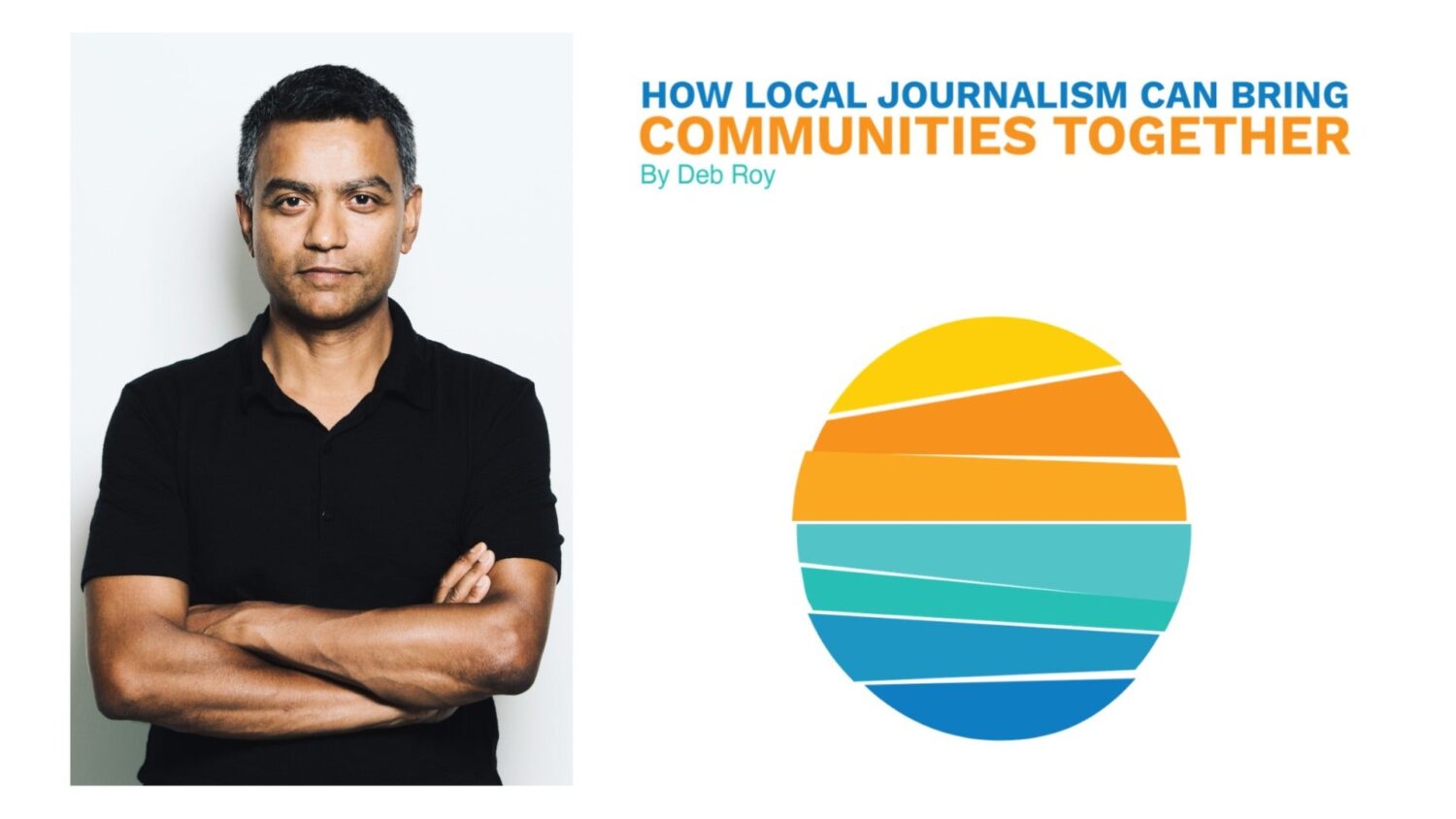
Longform
How Local Journalism Can Bring Communities Together
MIT Center for Constructive Communication Director Deb Roy explains how the caricatures Republicans and Democrats paint of each other diverge from reality, and the ways local newsrooms can leverage their “trust capital” and emerging technology to promote listening and understanding amid disagreement.