
As state and local governments set parameters for restaurants to reopen, there has been one thing missing: real guidance about how kitchens should operate during a pandemic. This isn’t a next-week or next-month sort of question: kitchens across the country are already preparing food for takeout and delivery, and feeding millions of essential workers onsite. Most kitchens are operating without a cohesive guide to best practices, and there is a lot of variation among the protocols that are in place. Enter Corby Kummer, the executive director of the Institute’s Food and Society Program and the editor-in-chief of this magazine. As a food journalist (he’s also a senior editor at The Atlantic), Kummer was exploring how chefs were faring during Covid-19, and he recognized that the industry needed authoritative and practical guidance—and quickly. With the help of industry, government, academic, and philanthropic partners—and the expertise of recently retired CDC epidemiologist Dr. Sam Dooley Jr.—the program has released Safety First: Serving Food and Protecting People During Covid-19 with clear, detailed recommendations that touch on every point of the food-preparation process. Workspace organization, processing and packaging, and delivery, among others, each have their own set of protocols. Clare Reichenbach, the CEO of the James Beard Foundation, says, “It is our hope that this guide helps chef-owners and restaurateurs reopen in a way that reinforces restaurants as accessible, safe, and prioritizing the health of their employees and customers.” The guidelines are co-presented by the Food and Society Program, World Central Kitchen, Off Their Plate, and the James Beard Foundation, and through the generous support of the Laurie M. Tisch Illumination Fund.
How to (Re)open a Restaurant

Publications Section 4: Strengthening Practices to Improve Job Quality
Tools: Employee Ownership
View tools and resources related to employee ownership.
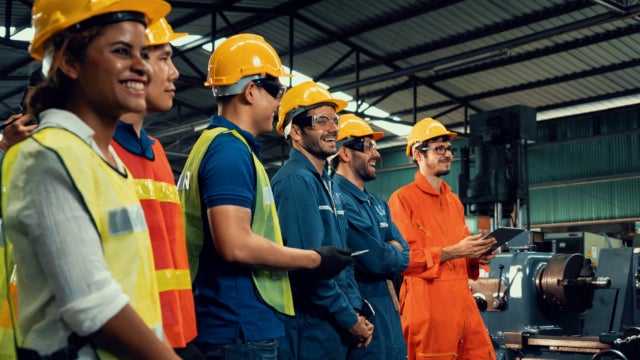
Job Quality Fellows Profile Series Longform
Centering Workers in Workforce Development
The Chicagoland Workforce Funder Alliance collaborates with employers and stakeholders to boost employment, earnings, and equity for local workers.

Job Quality Fellows Profile Series Longform
Lessons and Leadership To Foster Economic Justice for Illinois Workers
LEP trains workers to promote equity, enforce rights, build unions, develop leaders, ensure workplace safety, and advance economic justice.

Job Quality Fellows Profile Series Longform
Worker Owned and Worker Driven
While the rideshare apps have increased convenience, they’ve eroded job quality. See how the Drivers’ Cooperative is helping to end exploitative conditions.

Job Quality Fellows Profile Series Longform
Creating Employee-Owned Businesses That Provide Good Jobs and Succeed
Through employee ownership, The Industrial Commons is building a new Southern working class that erases the inequities of generational poverty.
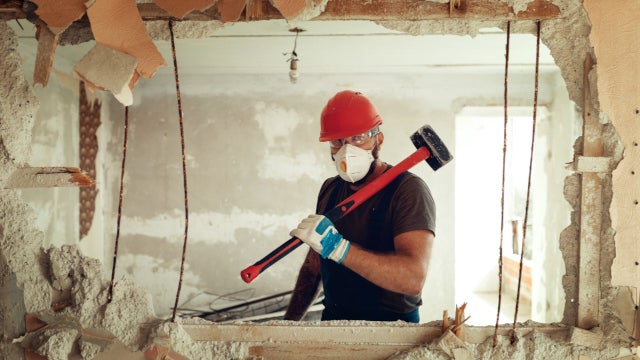
Job Quality Fellows Profile Series Longform
Strengthening the Hidden Resilience Workforce
We see the effects of climate change, but we rarely see the people who help to rebuild — and they often lack safe conditions, decent pay, or benefits.

Job Quality Fellows Profile Series Longform
Advancing a Pro-Worker, Pro-Climate Agenda in Texas
The Texas Climate Jobs Project advances a pro-worker, pro-climate agenda — helping to solve the climate crisis while creating millions of good jobs.

Job Quality Fellows Profile Series Longform
Organizing and Coalition Building for Structural Change
LAANE, led by Job Quality Fellow Roxana Tynan, is fighting to build an economy rooted in good jobs, thriving communities, and a healthy environment.

Job Quality Fellows Profile Series Longform
Organizing Unemployed and Underemployed Workers
UWU, led by Job Quality Fellow Neidi Dominguez, engages unemployed/underemployed workers, a population that has not been mobilized at scale since the 1930s.
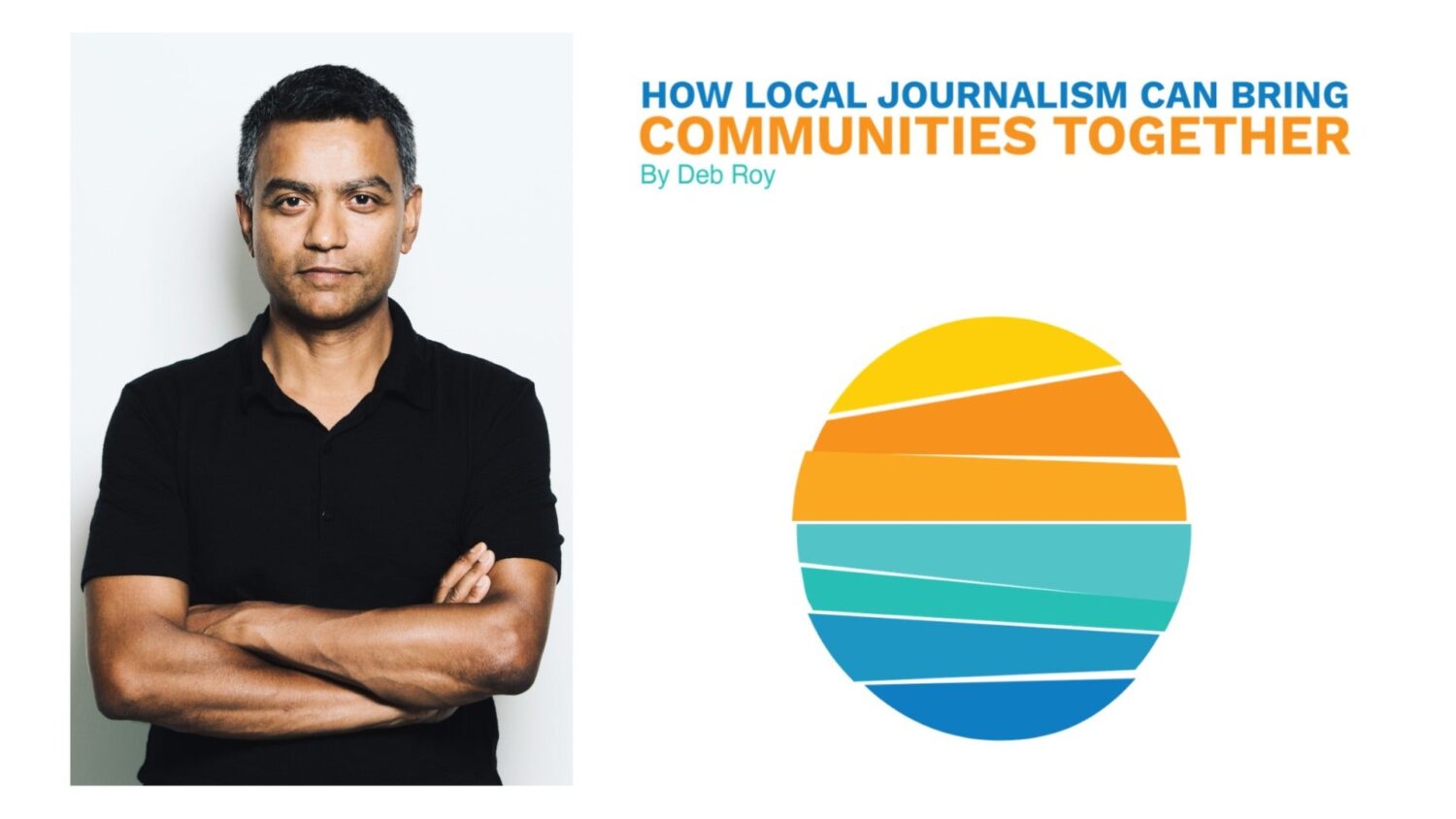
Longform
How Local Journalism Can Bring Communities Together
MIT Center for Constructive Communication Director Deb Roy explains how the caricatures Republicans and Democrats paint of each other diverge from reality, and the ways local newsrooms can leverage their “trust capital” and emerging technology to promote listening and understanding amid disagreement.