
For decades, those who help low- and moderate-income Americans build wealth have focused on long-term investments: home ownership, higher education, and retirement. But those tools are meaningful only if families can first manage their day-to-day needs. Too many people struggle to meet expenses, especially those triggered by unforeseen events like car repairs and hospital visits, because they have no liquid savings. That’s why the Financial Security Program is exploring a new idea: link a short-term savings, or “sidecar,” account to a traditional retirement account. Workers would fund a short-term account that could be used for emergencies, and, once a sufficient buffer was built up, automatically divert additional contributions to a traditional retirement account. To ensure a constant buffer, the short-term account would be automatically replenished. Because so few tools are widely available for short-term saving, many Americans resort to raiding their 401(k)s for quick cash. By formalizing the dual role the retirement system currently plays, savers would be able to better distinguish between what is available now and what is locked away for retirement. The proposal has been well received, and many are now pilot-testing sidecar models. Of course, if designed poorly, the sidecar could be yet another complicated structure in a sea of complex savings plans. But if done right, the sidecar could improve Americans’ financial well-being and security.
How to Save for an Emergency

Publications Section 4: Strengthening Practices to Improve Job Quality
Tools: Employee Ownership
View tools and resources related to employee ownership.
Job Quality Fellows Profile Series Longform
Centering Workers in Workforce Development
The Chicagoland Workforce Funder Alliance collaborates with employers and stakeholders to boost employment, earnings, and equity for local workers.

Job Quality Fellows Profile Series Longform
Lessons and Leadership To Foster Economic Justice for Illinois Workers
LEP trains workers to promote equity, enforce rights, build unions, develop leaders, ensure workplace safety, and advance economic justice.

Job Quality Fellows Profile Series Longform
Worker Owned and Worker Driven
While the rideshare apps have increased convenience, they’ve eroded job quality. See how the Drivers’ Cooperative is helping to end exploitative conditions.

Job Quality Fellows Profile Series Longform
Creating Employee-Owned Businesses That Provide Good Jobs and Succeed
Through employee ownership, The Industrial Commons is building a new Southern working class that erases the inequities of generational poverty.

Job Quality Fellows Profile Series Longform
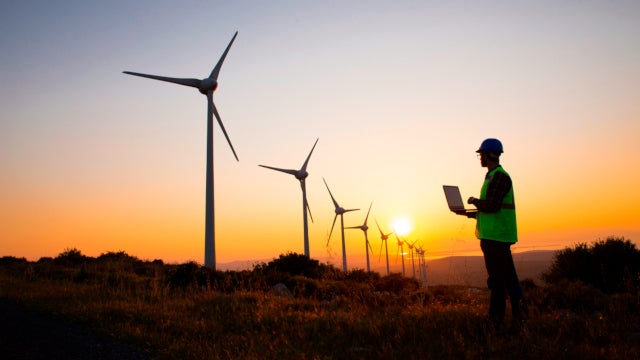
Strengthening the Hidden Resilience Workforce
We see the effects of climate change, but we rarely see the people who help to rebuild — and they often lack safe conditions, decent pay, or benefits.
Job Quality Fellows Profile Series Longform
Advancing a Pro-Worker, Pro-Climate Agenda in Texas
The Texas Climate Jobs Project advances a pro-worker, pro-climate agenda — helping to solve the climate crisis while creating millions of good jobs.

Job Quality Fellows Profile Series Longform
Organizing and Coalition Building for Structural Change
LAANE, led by Job Quality Fellow Roxana Tynan, is fighting to build an economy rooted in good jobs, thriving communities, and a healthy environment.

Job Quality Fellows Profile Series Longform
Organizing Unemployed and Underemployed Workers
UWU, led by Job Quality Fellow Neidi Dominguez, engages unemployed/underemployed workers, a population that has not been mobilized at scale since the 1930s.
Longform
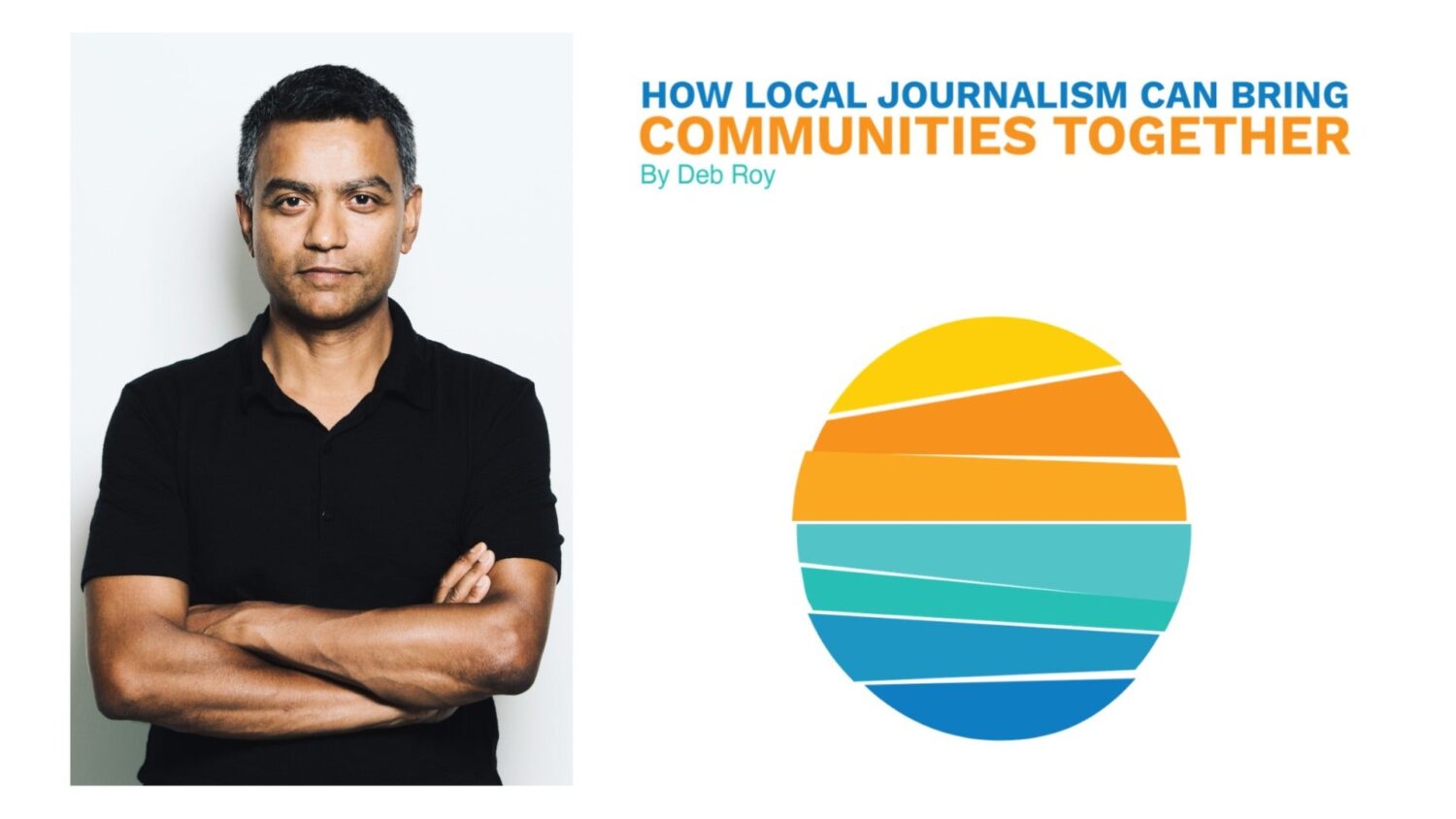
How Local Journalism Can Bring Communities Together
MIT Center for Constructive Communication Director Deb Roy explains how the caricatures Republicans and Democrats paint of each other diverge from reality, and the ways local newsrooms can leverage their “trust capital” and emerging technology to promote listening and understanding amid disagreement.