Aspen is a place for leaders to lift their sights above the possessions which possess them. To confront their own nature as human beings, to regain control over their own humanity by becoming more self-aware, more self-correcting, and hence more self-fulfilling.
Walter P. Paepcke, Aspen Institute Co-Founder
Aspen Institute
IDEAS Article, IDEAS: the Magazine of the Aspen Institute Winter 2020/21, and Longform
Joint Venture: Profit and Purpose in Latin America
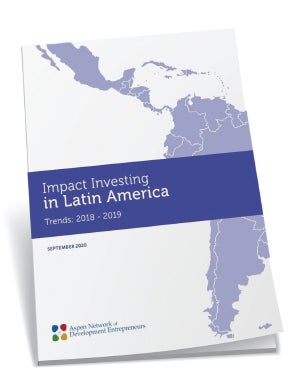
Today, impact investing is a key part of the investment industry. Impact investors look for financial returns—but in a way that contributes to the good of society. They use private-sector strategies to fund innovations that attempt to solve some of the planet’s toughest social and environmental challenges. In September, the Institute’s Aspen Network of Development Entrepreneurs released the latest edition of its biennial report, Impact Investing in Latin America. Using data from investors active in Latin America, the report offers a snapshot of capital allocation in the region. Roughly half of the investors targeted market-rate returns, meaning incorporating social impact into investment decisions is financially viable. Also, the number of local investors is increasing: more than half of those headquartered in the region began impact investing in the past five years. Finally, many investors featured in the study actually measure their outcomes against the UN’s Sustainable Development Goals, a kind of sustainability roadmap. Yet challenges remain. Recipients tend to be established agricultural firms, rather than early-stage enterprises in other vital areas, like biodiversity, health care, and energy. Plus, the vast majority of investments use traditional financing structures (debt or equity), despite the global industry’s increased focus on alternative instruments (such as quasiequity). Currently, investors are concerned about the macroeconomic and political implications of Covid-19—and hopeful that impact investments will become a potent solution for recovery.
While the rideshare apps have increased convenience, they’ve eroded job quality. See how the Drivers’ Cooperative is helping to end exploitative conditions.
UWU, led by Job Quality Fellow Neidi Dominguez, engages unemployed/underemployed workers, a population that has not been mobilized at scale since the 1930s.
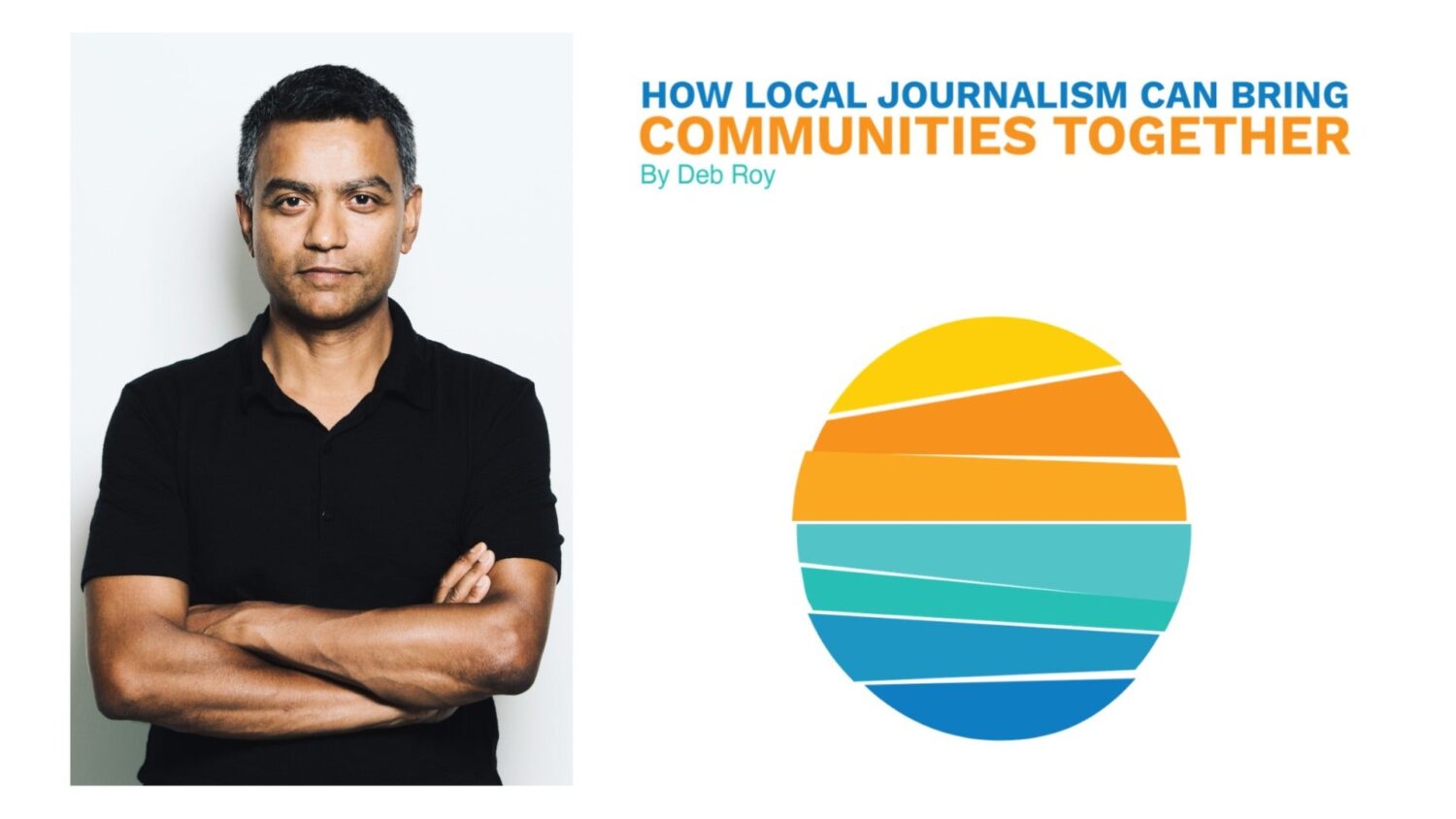
MIT Center for Constructive Communication Director Deb Roy explains how the caricatures Republicans and Democrats paint of each other diverge from reality, and the ways local newsrooms can leverage their “trust capital” and emerging technology to promote listening and understanding amid disagreement.