Aspen is a place for leaders to lift their sights above the possessions which possess them. To confront their own nature as human beings, to regain control over their own humanity by becoming more self-aware, more self-correcting, and hence more self-fulfilling.
Walter P. Paepcke, Aspen Institute Co-Founder
Aspen Institute
IDEAS Article, and Longform
Media is Not the Enemy of the People
October 18, 2017
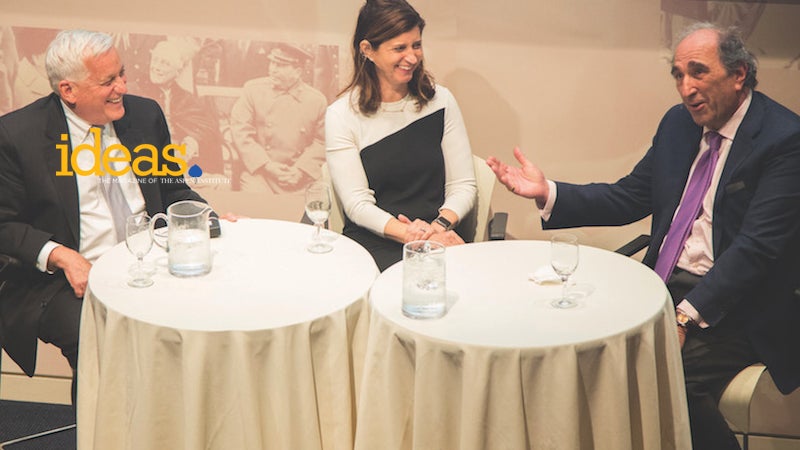
In June, as part of the “Conversations With Great Leaders” series, Institute CEO Walter Isaacson moderated a discussion about “Truth, Trust, and the Future of Journalism.” Rebecca Blumenstein, deputy managing editor of The New York Times, and Andrew Lack, chairman of NBC News and MSNBC, discussed the need for trusted news sources given the amount of false information in circulation. The conversation also explored the 2016 presidential election and the media’s failure to understand the country’s mood. “We took our optimism—the optimism of both coasts—for the way the rest of the country felt,” Blumenstein said, adding that the media needs to change the way it covers politics, which “looks very different from Ohio, Michigan, Alabama.” As to President Donald Trump’s feud with the media, Lack said that news organizations are “not the enemy of the people” and that Trump “actually loves the media in his own inimitable way.” Lack also talked about working with communities to increase access to credible news, explaining that “local news deserts” are often where fake news takes root. “Many of us exist in a world where we are reading only those who agree with us,” Blumenstein said. “You need to be exposed to other views.”
Related
LongformPublicationsSection 4: Strengthening Practices to Improve Job Quality
While the rideshare apps have increased convenience, they’ve eroded job quality. See how the Drivers’ Cooperative is helping to end exploitative conditions.
UWU, led by Job Quality Fellow Neidi Dominguez, engages unemployed/underemployed workers, a population that has not been mobilized at scale since the 1930s.
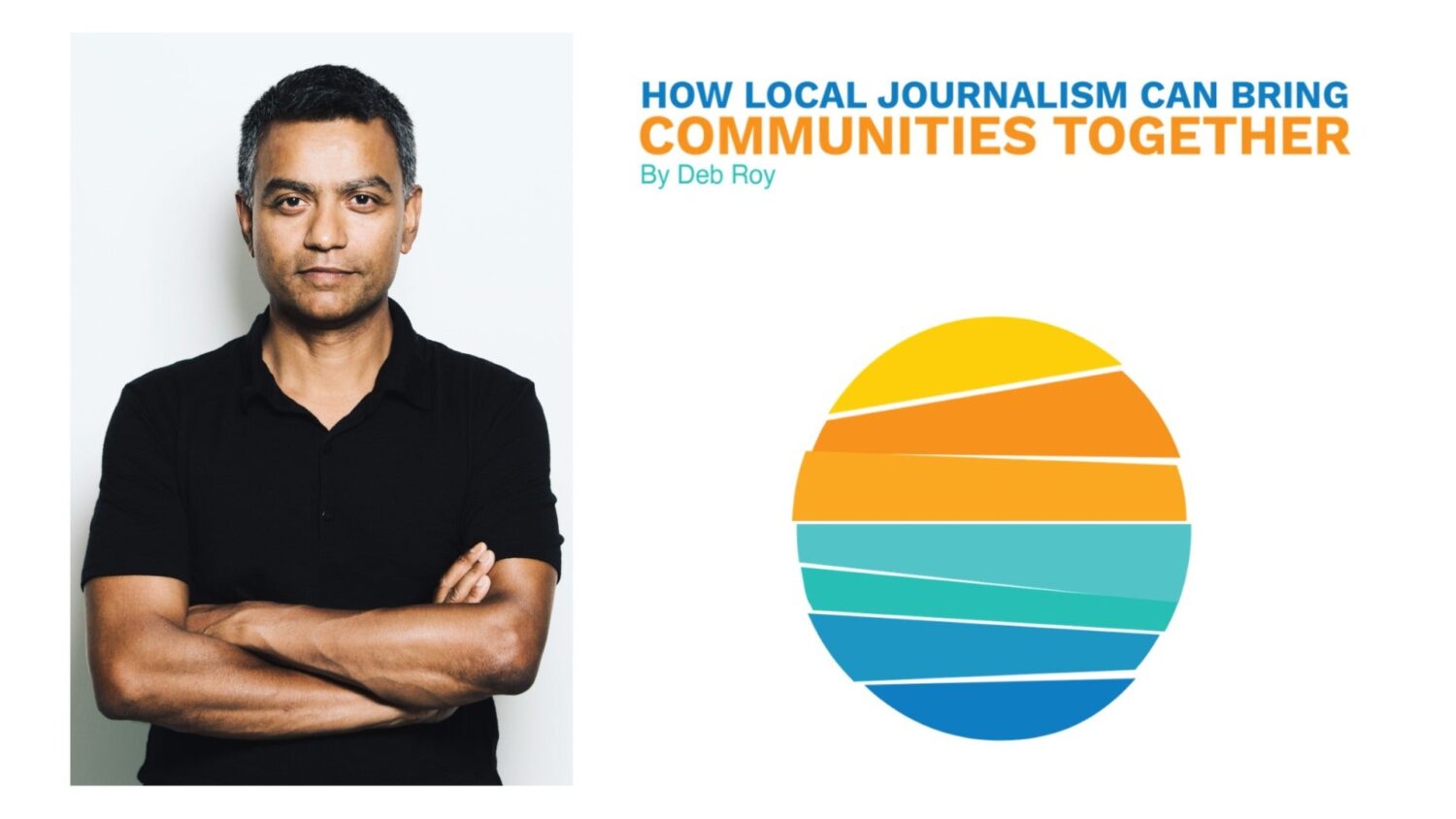
MIT Center for Constructive Communication Director Deb Roy explains how the caricatures Republicans and Democrats paint of each other diverge from reality, and the ways local newsrooms can leverage their “trust capital” and emerging technology to promote listening and understanding amid disagreement.