
David Brooks, the chair of the Institute’s Weave: The Social Fabric Project, has long warned of a disconnection crisis in America, arguing that competition, inequity, and “me-centered” culture have led to widespread personal, social, and political trauma. With Covid-19, physical isolation threw our disconnection into even sharper relief. So, Weave and the Listen First Project, creator of the National Week of Conversation, launched a social media and publicengagement campaign called #WeavingCommunity During Crisis. The goal is to help Americans find common purpose in their shared pain and to inspire millions of them to start or deepen their relationships. After the killing of George Floyd, racial justice became a key part of the healing message. The campaign creates a space for people to see and share stories of Americans showing up for each other in small and big ways—from providing food to neighbors who lost jobs, to cleaning streets after protests, to offering hotel rooms to those experiencing homelessness. #WeavingCommunity offers ideas, actions, and online conversation platforms so neighbors can discuss challenges and solve them. The campaign has reached 14 million Americans and engaged more than 425,000. It has also attracted 117 new partners—including the Institute’s Better Arguments Project, Braver Angels, Faith Matters Network, Nextdoor, Urban Rural Action, and Youthivism—and received financial support from Facebook, Civic Health Project, Einhorn Collaborative, and Well Being Trust. To get involved, visit weaving.us.
More Alike than Different
Publications Section 4: Strengthening Practices to Improve Job Quality
Tools: Employee Ownership
View tools and resources related to employee ownership.
Job Quality Fellows Profile Series Longform
Centering Workers in Workforce Development
The Chicagoland Workforce Funder Alliance collaborates with employers and stakeholders to boost employment, earnings, and equity for local workers.
Job Quality Fellows Profile Series Longform
Lessons and Leadership To Foster Economic Justice for Illinois Workers
LEP trains workers to promote equity, enforce rights, build unions, develop leaders, ensure workplace safety, and advance economic justice.
Job Quality Fellows Profile Series Longform
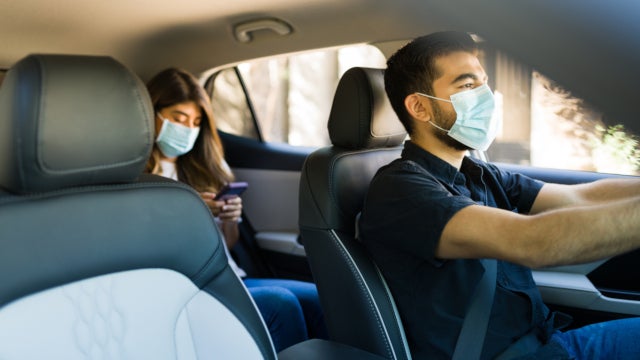
Worker Owned and Worker Driven
While the rideshare apps have increased convenience, they’ve eroded job quality. See how the Drivers’ Cooperative is helping to end exploitative conditions.

Job Quality Fellows Profile Series Longform
Creating Employee-Owned Businesses That Provide Good Jobs and Succeed
Through employee ownership, The Industrial Commons is building a new Southern working class that erases the inequities of generational poverty.
Job Quality Fellows Profile Series Longform
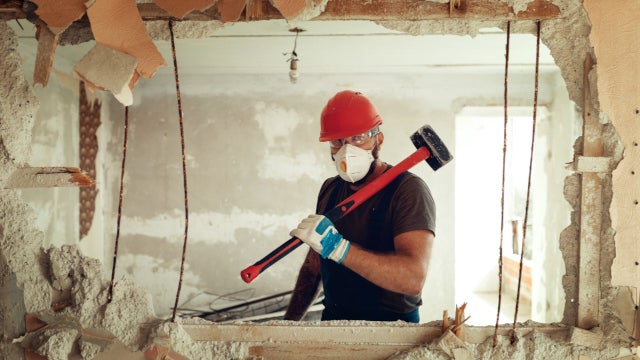
Strengthening the Hidden Resilience Workforce
We see the effects of climate change, but we rarely see the people who help to rebuild — and they often lack safe conditions, decent pay, or benefits.
Job Quality Fellows Profile Series Longform
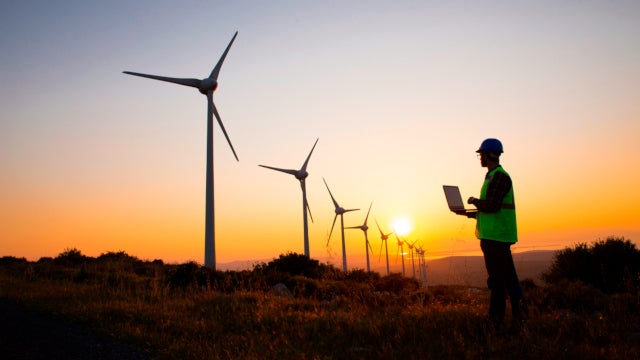
Advancing a Pro-Worker, Pro-Climate Agenda in Texas
The Texas Climate Jobs Project advances a pro-worker, pro-climate agenda — helping to solve the climate crisis while creating millions of good jobs.

Job Quality Fellows Profile Series Longform
Organizing and Coalition Building for Structural Change
LAANE, led by Job Quality Fellow Roxana Tynan, is fighting to build an economy rooted in good jobs, thriving communities, and a healthy environment.
Job Quality Fellows Profile Series Longform
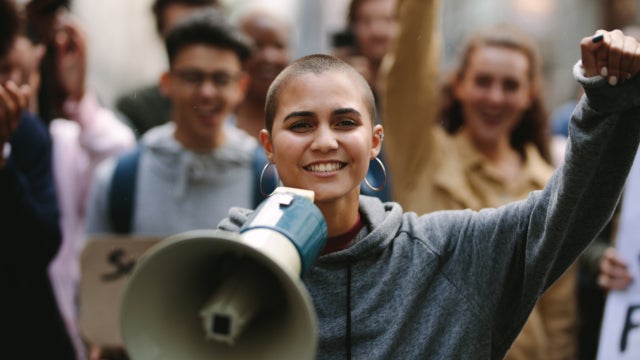
Organizing Unemployed and Underemployed Workers
UWU, led by Job Quality Fellow Neidi Dominguez, engages unemployed/underemployed workers, a population that has not been mobilized at scale since the 1930s.
Longform
How Local Journalism Can Bring Communities Together
MIT Center for Constructive Communication Director Deb Roy explains how the caricatures Republicans and Democrats paint of each other diverge from reality, and the ways local newsrooms can leverage their “trust capital” and emerging technology to promote listening and understanding amid disagreement.