Philanthropy’s Data Revolution

A few years ago, the Institute’s Program on Philanthropy and Social Innovation set out to revolutionize nonprofit data with a sharp focus on Form 990—the tax form that nonprofits submit to the IRS. The goal was to show how open data could improve the efficiency and creativity of US nonprofits. Now that vision is closer than ever.

Open data means more speed, accuracy, and innovation

Form 990s reveal the workings of the multitrillion-dollar nonprofit industry, comprising over 10 percent of private-sector employment and over 5 percent of GDP. These public forms are chock full of information on the missions, governance, and finances of the organizations that educate our children, care for the elderly, and respond to natural disasters. But until recently, Form 990s were available and sold by the IRS only as nonsearchable images. That inefficient and costly system led PSI’s Nonprofit Data Project to detail the urgent need for “open Form 990 data” in Information for Impact: Liberating Nonprofit Sector Data. Funded by the Bill & Melinda Gates Foundation, the report detailed the benefits of open data, like increased transparency, improved speed and accuracy, reduced fraud, and new opportunities for innovation.

Following Information for Impact, proposals for open Form 990 data were included in former President Barack Obama’s last four budgets, bipartisan tax bills, and a major report to the IRS. Then, in 2016, following a lawsuit by an open-data activist, the IRS released electronically filed nonprofit tax forms in bulk as public, machine-readable data—for free. These electronic documents comprise 60 percent of Form 990s and are now available on Amazon Web Services.

More work remains. Paper-filed 990s are still unavailable as open data, and the full potential of the Amazon files are not yet realized. Still, PSI is moving nonprofit information into the 21st century. Read about its efforts, including a Datathon to clean and publish e-filed  990s, at aspeninstitute.org/psi.

Longform Publications Section 4: Strengthening Practices to Improve Job Quality

Tools: Employee Ownership

View tools and resources related to employee ownership.

Blog Posts Job Quality Fellows Profile Series Longform

Centering Workers in Workforce Development

The Chicagoland Workforce Funder Alliance collaborates with employers and stakeholders to boost employment, earnings, and equity for local workers.

Blog Posts Job Quality Fellows Profile Series Longform

Lessons and Leadership To Foster Economic Justice for Illinois Workers

LEP trains workers to promote equity, enforce rights, build unions, develop leaders, ensure workplace safety, and advance economic justice.

Blog Posts Job Quality Fellows Profile Series Longform

Worker Owned and Worker Driven

While the rideshare apps have increased convenience, they’ve eroded job quality. See how the Drivers’ Cooperative is helping to end exploitative conditions.

Blog Posts Job Quality Fellows Profile Series Longform

Creating Employee-Owned Businesses That Provide Good Jobs and Succeed

Through employee ownership, The Industrial Commons is building a new Southern working class that erases the inequities of generational poverty.

Blog Posts Job Quality Fellows Profile Series Longform

Strengthening the Hidden Resilience Workforce

We see the effects of climate change, but we rarely see the people who help to rebuild — and they often lack safe conditions, decent pay, or benefits.

Blog Posts Job Quality Fellows Profile Series Longform

Advancing a Pro-Worker, Pro-Climate Agenda in Texas

The Texas Climate Jobs Project advances a pro-worker, pro-climate agenda — helping to solve the climate crisis while creating millions of good jobs.

Blog Posts Job Quality Fellows Profile Series Longform

Organizing and Coalition Building for Structural Change

LAANE, led by Job Quality Fellow Roxana Tynan, is fighting to build an economy rooted in good jobs, thriving communities, and a healthy environment.

Blog Posts Job Quality Fellows Profile Series Longform

Organizing Unemployed and Underemployed Workers

UWU, led by Job Quality Fellow Neidi Dominguez, engages unemployed/underemployed workers, a population that has not been mobilized at scale since the 1930s.

Blog Posts Longform

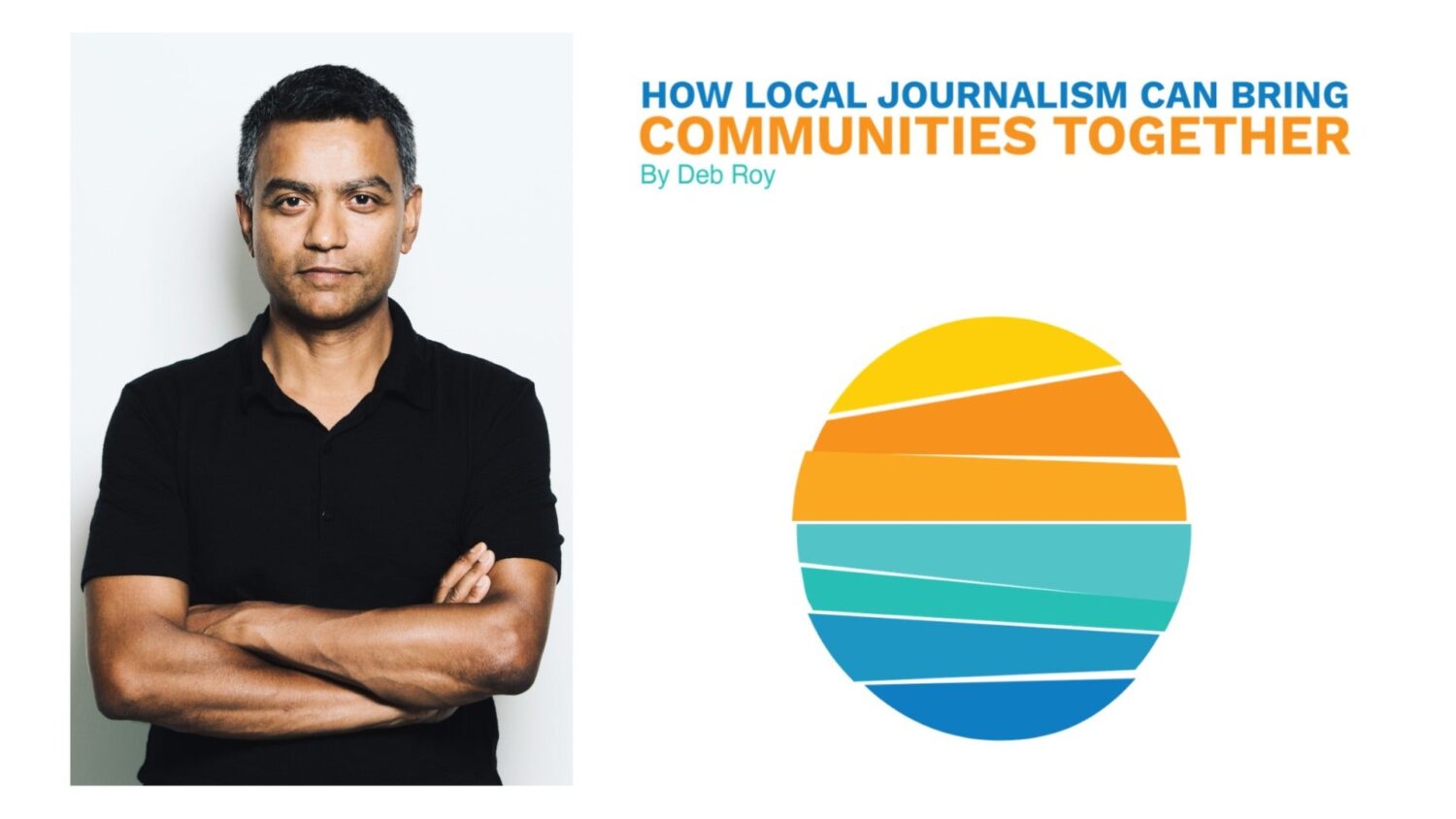
How Local Journalism Can Bring Communities Together

MIT Center for Constructive Communication Director Deb Roy explains how the caricatures Republicans and Democrats paint of each other diverge from reality, and the ways local newsrooms can leverage their “trust capital” and emerging technology to promote listening and understanding amid disagreement.