
At the Institute’s 2018 Project Play Summit, the NBA’s Kobe Bryant urged adults to “get out of the way” and allow children to enjoy less-structured sports. “Sometimes the most important thing you can do is just to observe,” Bryant told more than 400 people at the Newseum in Washington, DC. “You just watch, and then you can guide.” The summit sold out for the fourth straight year, reached more than 850,000 people on Facebook’s livestream, and trended on Twitter. Other speakers included sports icons like Jackie Joyner-Kersee and Tony Hawk, NBC Sports broadcaster Mary Carillo, and, as always, lots of kids. (Watch all of their discussions here.) The Institute’s Sports & Society Program‘s Project Play Summit was also the site of more than a dozen announcements about youth sports in America. Nike and the US Olympic Committee partnered to develop a free, 30-minute training course on coaching children 12 and under called HowToCoachKids.org that was inspired by the Institute’s Project Play 2020 effort to increase the quality and quantity of America’s volunteer youth coaches. HealthySportIndex.com launched in partnership with the Hospital for Special Surgery; it’s the first one-stop resource to assess the benefits and risks of playing in the 10 most-popular boys and girls high-school sports. The State of Play: 2018 and State of Play: Mobile County reports were released at the summit, and new State of Play partnerships in Hawaii and Seattle were announced. The Institute, along with ESPN and Under Armour, will publish a “Teamwork Toolkit” in early 2019 to help community leaders build up youth sports in their own areas. Finally, 20 organizations were named Project Play champions in recognition of their commitment to sports and exemplary programming.
Play Favorites


Publications Section 4: Strengthening Practices to Improve Job Quality
Tools: Employee Ownership
View tools and resources related to employee ownership.

Job Quality Fellows Profile Series Longform
Centering Workers in Workforce Development
The Chicagoland Workforce Funder Alliance collaborates with employers and stakeholders to boost employment, earnings, and equity for local workers.

Job Quality Fellows Profile Series Longform
Lessons and Leadership To Foster Economic Justice for Illinois Workers
LEP trains workers to promote equity, enforce rights, build unions, develop leaders, ensure workplace safety, and advance economic justice.

Job Quality Fellows Profile Series Longform
Worker Owned and Worker Driven
While the rideshare apps have increased convenience, they’ve eroded job quality. See how the Drivers’ Cooperative is helping to end exploitative conditions.

Job Quality Fellows Profile Series Longform
Creating Employee-Owned Businesses That Provide Good Jobs and Succeed
Through employee ownership, The Industrial Commons is building a new Southern working class that erases the inequities of generational poverty.

Job Quality Fellows Profile Series Longform
Strengthening the Hidden Resilience Workforce
We see the effects of climate change, but we rarely see the people who help to rebuild — and they often lack safe conditions, decent pay, or benefits.

Job Quality Fellows Profile Series Longform
Advancing a Pro-Worker, Pro-Climate Agenda in Texas
The Texas Climate Jobs Project advances a pro-worker, pro-climate agenda — helping to solve the climate crisis while creating millions of good jobs.

Job Quality Fellows Profile Series Longform
Organizing and Coalition Building for Structural Change
LAANE, led by Job Quality Fellow Roxana Tynan, is fighting to build an economy rooted in good jobs, thriving communities, and a healthy environment.

Job Quality Fellows Profile Series Longform
Organizing Unemployed and Underemployed Workers
UWU, led by Job Quality Fellow Neidi Dominguez, engages unemployed/underemployed workers, a population that has not been mobilized at scale since the 1930s.
Longform
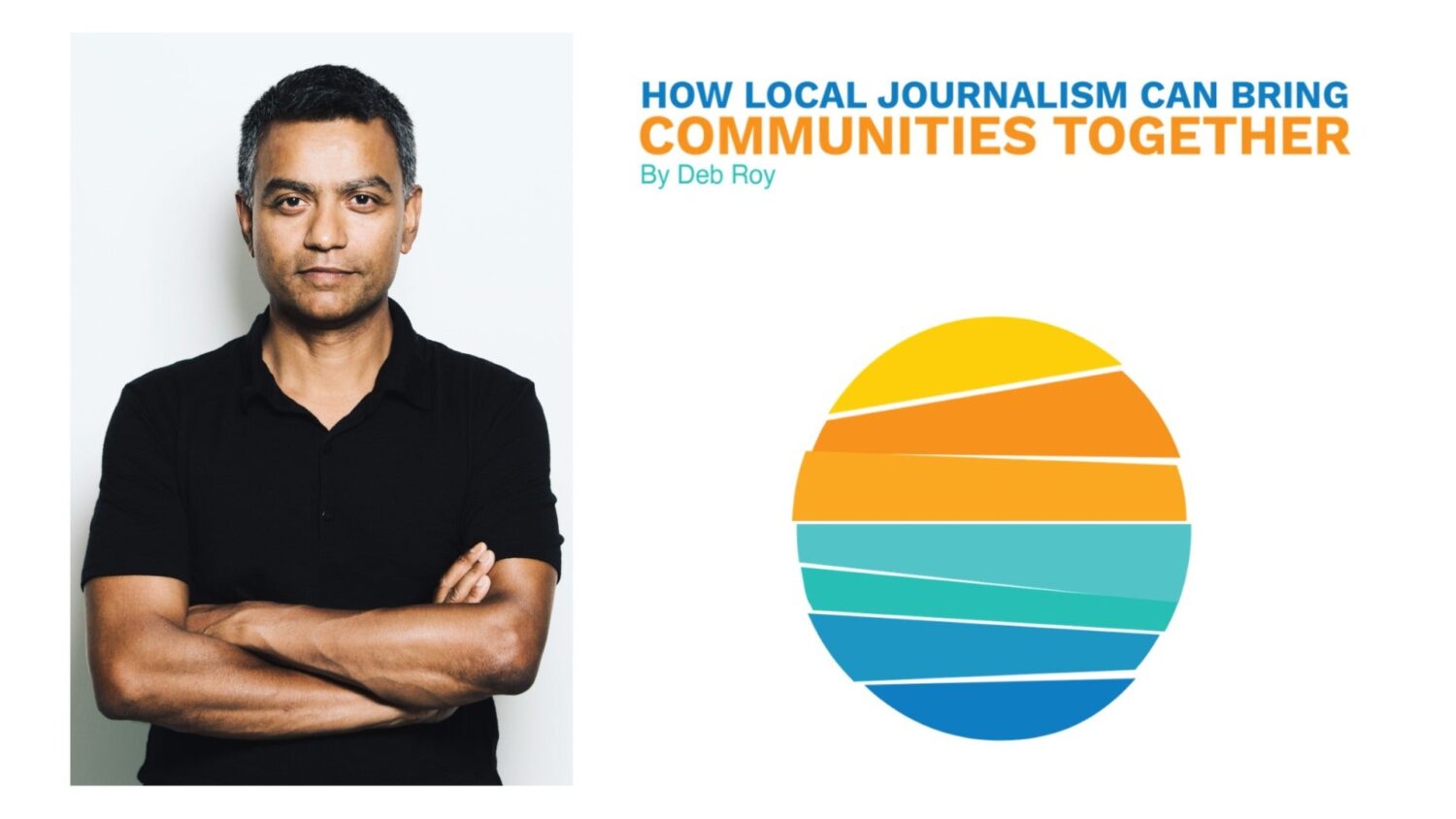
How Local Journalism Can Bring Communities Together
MIT Center for Constructive Communication Director Deb Roy explains how the caricatures Republicans and Democrats paint of each other diverge from reality, and the ways local newsrooms can leverage their “trust capital” and emerging technology to promote listening and understanding amid disagreement.